2023 An Giblean/April: Cnoc Fearralaidh/Knockfarrel

Le seaboardgàidhlig

Sgrìobh mi an seo mar-thà mu Bheinn Uais agus Chnoc Fhaoighris, agus an turas seo tha mi airson sùil a thoirt air cnoc ionadail eile as toil leam, Cnoc Fearralaidh. ‘S e feart-tìre comharraichte a th’ ann a’ coimhead bho gach taobh, ach gu sònraichte bhon rathad eadar Inbhir Pheofharain agus Srath Pheofhair, agus ‘s e cuairt ghoirid agus cuimseach furasda a th’ ann bhon àite-parcaidh bheag aige fhèin (ri ruigsinn bho thaobh Loch Ùsaidh). Tha cuairtean nas fhada ‘s nas dùbhlanaiche ann cuideachd, bho Srath Pheofhair no slighe Cnuic Mhòir ‘s Druim a’ Chait – molaidhean air www.walkhighlands.co.uk .

‘S e druim fada, cas a th’ ann, sìnte bhon ear chun an iar, mu 200m a dh’àirde, le seallaidhean soilleir  anns gach àird – beanntan Srath Chonain, Beinn Uais, Linne Chrombaidh is Cnoc Neig, gu Creag Phàdraig taobh Inbhir Nis agus deas thairis air Loch Ùsaidh gu Moreibh is chun a’ Mhonaidh Ruaidh. Chithear Inbhir Pheofharain chun an ear agus Caisteal Leòid is Srath Pheofhair chun an iar. A bharrachd air a bhith fradharcach, bha cudromachd ro-innleachdail aige sna linntean a dh’fhalbh, oir tha làrach dùin mhòir ghlainnaichte bho Linn an Iarainn air a mhullach chòmhnard. Chìtheadh na naimhdean tighinn gun teagamh sam bith, agus bhiodh e doirbh dhaibh ionnsaigh a thoirt air an dùn ri bruthach is e cho cas air cha mhòr gach taobh.

Tha e coltach gun tàinig an t-ainm Cnoc Fearralaidh (no Farralaidh no Fearghalaidh) bho far-eileach, “àite àrd nan clachan”, a’ dèanamh iomradh air an dùn.

Tharraing an dùn arc-eòlaichean thar nan linntean, is e an innleadair John Williams am fear a bu tràithe dhiubh sna 1770an. Tha na trì truinnsichean domhainn aige rim faicinn fhathast a’ dol thairis air làrach an dùin, tro na gàrraidhean, mar a chithear san adhar-dhealbh aig Andy Hickie,  leasaichte le photogrammetry gus na feartan a shealladh gu soilleir. (Faic an obair shònraichte aige an seo: https://www.facebook.com/people/Andys-Aerial-Archaeology-Photogrammetry-Site/100068170431509 )  Sgrìobh Williams mu fheartan nach eil rim faicinn tuilleadh, m.e. gun robh pàirt den ghàrradh mu 7m a dh’àirde bhon fho-chreag. An-diugh fhèin chithear an dealbh-iomaill chreagach gu furasda, is na gàrraidhean mu 4.5m air leud mar chuibheas.

Tha beachdan eadar-dhealaichte ann mu ghlainneachadh, a chithear ann an iomadh dùn-chnuic Albannach, a tha air abhrachadh nuair a leaghas eileamaidean anns na clachan, uaireannan le coltas glainne, agus mar sin ceanglaidh iad ri chèile.  Bhiodh fiodh air a chleachdadh gu farsaing san dùn, mar sin bidh cuid a’ creidsinn gur e tubaist no ionnsaigh is losgadh le naimhdean as coireach, ach leis gu bheil feum ann air teas uabhasach àrd agus leantainneach, ‘s dòcha cuideachd gur ann a dh’aon ghnothaich a rinneadh e gus an gàrradh a neartachadh – chan eil cinnt ann.  Ach chì thu iomadh clach fhathast le fianais glainneachaidh. (Faic: https://brigantesnation.com/how-to-vitrify-a-fort .)

Tha sgeulachdan gu leòr ann cuideachd mun chnoc, nam measg tè mu bhàs Fhinn MhicCumhail,  an seann ghaisgeach Ceilteach, tro fheall, air a h-innse le Hugh Miller is eile. Agus dh’fhàisnich Coinneach Odhar, Fiosaiche Bhrathainn (is a’ chlach dhraoidheil aige ann an Loch Ùsaidh), gun èireadh uisge an loch às an tobar air mullach a’ chnuic agus gun tuilicheadh e Srath Pheofhair – ma thuiteas Clach an Iolaire an treas turas.

Ach ma bhios tu air a’ chnoc dìreach airson cuairt agus nan seallaidhean àlainn, tha tuilleach ‘s gu leòr ann a thoilicheas an t-sùil, le flùraichean fiadhaich, seann ghiuthais-Albannach, agus tòrr eun, beag is mòr, nam measg na clamhanan-gobhlach à stèisean-beathachaidh Thollaidh faisg air làimh. Bha e tlachdmhor san t-sneachd cuideachd nuair a bha mi ann sa gheamhradh. Uairbha fiù ‘s chalet fiodha sgeadachail ann airson biadh beag a reic as t-samhradh dhan luchd-tadhail bhon spa, c. 1910 – 1960an – thoiribh picnic leibh fhèin a-nis! Dealbh dheth an seo: https://www.ambaile.org.uk/asset/33064/1/EN33064-the-chalet-knockfarrel-strathpeffer.htm/

Carson nach fheuch sibh e, mura robh sibh ann fhathast?

++++++++++++++++++++++++++++++++++++++++++++++++++++++++++++++++++++++++++

Knockfarrel (centre) seen from the Black Isle

I’ve written here in the past about Ben Wyvis and Fyrish, and this month I thought I’d look at another of my favourite local hills, Knockfarrel. It’s a very striking feature in the landscape seen from any angle , especially on the way from Dingwall to Strathpeffer, and is a short, fairly easy walk from its own wee carpark (approach from Loch Ussie), or longer, more challenging ones from Strathpeffer or via Cnoc Mòr and the Cat’s Back.  Have a look for the various routes on www.walkhighlands.co.uk.

It’s a long, steep ridge lying east to west, about 200m high, and has clear views in all directions – the Strathconon hills,  Ben Wyvis, down the Cromarty Firth to Nigg Hill, to Craig Padraig by Inverness, and south across Loch Ussie towards Moray and the Cairngorms. Dingwall is visible to the east, and Castle Leod and Strathpeffer to the west. As well as being scenic, this position clearly had strategic importance in the past, as there are the remains of a large vitrified Iron Age fort on the flattish top. You would certainly see enemies coming, and they’d have a hard time attacking the fort uphill as it’s so steep most of the way round.

The Gaelic name of the hill, Cnoc Fearralaidh (Farralaidh / Fearghalaidh), is likely to come from far-eileach, meaning high stone-place, no doubt a reference to the fort.

Seen from the Heights of Brae

The fort has attracted archaeologists over the years, the earliest being engineer John Williams in the 1770s. His excavation trenches across the ramparts at three points are still prominent today, as can be seen in the aerial view by Andy Hickie (see his wonderful work here: https://www.facebook.com/people/Andys-Aerial-Archaeology-Photogrammetry-Site/100068170431509 ), enhanced to show the features more clearly. Williams’ written reports usefully describe features no longer visible, and help illustrate the vast dimensions of the fort’s ramparts – the walls were still much higher then, up to 7 meters from bedrock in one place. Even today the stony outline of the ramparts is easily seen, and the average width of the walls is 4.5 metres.

There are various theories about vitrification, seen in many Scottish hillforts – basically heating rock until certain elements in it (“flux”) begin to melt, fusing the stones together. Timber would have been widely used around the fort, so accidental or enemy fires are one idea. But vitrification needs intense, sustained heat, so might well be deliberate, e.g. to form a more stable wall. The jury is still out. But you can still see the signs of it in the remaining stones, all around the ramparts. More on this: https://brigantesnation.com/how-to-vitrify-a-fort

Looking west from Knockfarrel, over Strathpeffer

There are also legends surrounding the hill, including one about the death there by treachery of ancient Celtic hero Finn MacCumhaill, as told by Hugh Miller among others, and a prophesy by the Brahan Seer (whose magic stone allegedly lies in nearby Loch Ussie) about the water in the loch rising up in the well on the hill and one day flooding Strathpeffer and allowing ships to moor – if the Eagle Stone there falls down one last (third) time.

But if you’re just up there for a walk and the magnificent views, there’s more than enough to delight the eye, with wild flowers, ancient Scots pines, and lots of bird life, large and small – including red kites from nearby Tollie feeding station. It even had its charms in the snow when I was up there recently. And from 1910 to the 1960s there was even a decorative wooden chalet there, built to provide refreshments to spa guests who made it up there in the summer – take your own picnic now! Photo of the chalet here:   https://www.ambaile.org.uk/asset/33064/1/EN33064-the-chalet-knockfarrel-strathpeffer.htm/

 Why not give it a try, if you’ve never been?


Tadhail air seaboardgàidhlig

Powered by WPeMatico
Niall Bartlett

Le comanngaidhligghlaschu

A’ Ghàidhlig agus Riaghaltas na h-Alba

Bidh Niall Bartlett o Riaghaltas na h-Alba a’ tighinn a thadhail oirnn oidhche Dhiardaoin sa tighinn. Saor an asgaidh do bhuill (gheibhear ballrachd aig àm sam bith), saor an asgaidh do dh’oileanaich agus £5 aoighean a thig a thadhal. Tha sinn an dòchas gun urrainn dhuibh a bhith an làthair agus tha sinn a’ dèanamh fiughair ri bhith a’ cur fàilte air Niall.

Àm: 7.30f, Diardaoin 16ᵐʰ dhan Mhàrt
Àite: Sgoil Ghàidhlig Ghlaschu, 147 Sràid Berkeley, Glaschu G3 7HP
Cànan: Gàidhlig
When: 7.30pm, Thursday 16th March
Where: Glasgow Gaelic School, 147 Berkeley St, Glasgow G3 7HP
Language: Gaelic

Niall Bartlett from the Scottish Government will be addressing the society (in Gaelic) on the Government’s approach to the language. Free for members and students and £5 for guests. We hope you can make it along.


Tadhail air Comann Gàidhlig Ghlaschu

Powered by WPeMatico

Le èiginn ar n-èirigh às ar suain – aiseirigh na “leabaidh-trèana”?

Le alasdairmaccaluim

Dh’fhoillsich Riaghaltas na h-Alba bho chionn ghiorid gum bi an Cadalaiche Caileanach – an Caledonian Sleeper – a’ tighinn air ais dhan roinn phoblaich a dh’aithghearr.

An Caledonian Sleeper, Glaschu Mheadhain (GLC)

Dè th’ anns a’ Chadalaiche agus dè dh’fhaodadh seo a bhith a’ ciallachadh?

Dè th’ anns a’ Chadalaiche? ’S e a th’ ann ach trèana oidhche a bhios a’ dol eadar Alba agus Lunnain. Tha dà thrèana eadar-dhealaichte ann – Cadalaiche na Galldachd (à Glaschu is Dùn Èideann) agus Cadalaiche na Gàidhealtachd (à Obar Dheathain, Inbhir Nis is an Gearastan). Bidh na trèanaichean a’ ruith a h-uile oidhche ach a-mhàin Disathairne.

Cò tha a’ ruith a’ Chadalaiche? Tha dà fhranchise rèile eadar-dhealaichte ann an Alba – ScotRail agus Caledonian Sleeper. Tha an Cadalaiche ga ruith le Serco agus tha ScotRail a-nis ga ruith leis an stàit.

Bha an Cadalaiche na phàirt de ScotRail suas ri 2015 agus an uair sin, rinneadh franchise fa-leth dheth. Bha na trèanaichean aosta agus bhathar a’ faireachdain aig an àm gum biodh franchise fa leth na b’ fheàrr gus tasgadh fhaighinn ann an trèanaichean ùra agus gus dèanamh cinnteach nach sìoladh an Cadalaiche às mean air mhean.

Dè thachair an uair sin? Chaidh cur às do na “Bargain Berths” – beagan leabannan saora do dhaoine a  bha luath gu leòr. A bharrachd air seo, cha do dh’atharraich mòran fad beagan bhliadhnaichean. An uair sin, chaidh trèanaichean spaideil ùra a thoirt a-steach leis na trèanaichean ùra uile ann an seirbheis ann an 2019.

Dè na duilgheadasan? Bha trioblaidean tòiseachaidh ann leis na trèanaichean ùra (mar a bhios leis a h-uile trèana ùr) agus tha droch dhaimh air a bhith ann eadar luchd-obrach agus luchd-stiùiridh. Ach nas cudromaiche na sin, nuair a thàinig na trèanaichean ùra a-steach, chaidh na prìsean an àird gu mòr.

Leis an t-seann chadalaiche, bha an trèana na bu shaoire na bhith a’ faighinn trèana agus taigh-òsta. Bhiodh tu a’ sàbhaladh ùine agus airgead. Leis a’ chadalaiche ùr, is dòcha gu bheil e fhathast rud beag nas saoire a bhith a’ dol air a’ chadaliche ma gheibh thu suidheachan seach leabaidh, ach mar as trice, bi e nas daoire leabaidh fhaighinn air a’ Chadalaiche na a bhith a’ faighinn trèana latha agus taigh-òsta.

A bharrachd air sin, tha margaidheachd na trèana uile mu chàileachd le èideadh fìor spaideil air an luchd-obrach agus biadh is deoch spaideil. Thathar a’ reic na trèana mar “luxury experience” seach mar dòigh-chòmhdhail àbhaisteach.

Bha an trèana riamh ag amas air luchd-gnìomhachais le airgead ach bha rùm ann cuideachd do dhaoine àbhaisteach roimhe. Leis na prìsean mar a tha iad a-nis, tha iad ro dhaor airson daoine àbhaisteach – co-dhiù ma tha iad ag iarraidh leabaidh.

An Cadalaiche, Glaschu Mheadhain

Tha an trèana a’ faighinn subsadaidh mòr bhon Riaghaltas. Tha e ceart is iomchaidh gum faigh seirbheisean rèile cudromach tasgadh mar seo gus an cumail a’ dol ma tha feum orra air adbharan sòisealta, àrainneachdail no eaconamach. Ach ma tha iad ag amas air luchd-turais beartach sa mhòr-chuid seach air daoine àbhaisteach no fiù ’s luchd-gnìomhachais, togaidh e tòrr cheistean.

Dè a-nis?

Leis a’ Chadalaiche a’ tighinn a-steach dhan roinn phoblaich a-rithist, tha cothrom ann ceangal nas fheàrr a dhèanamh le seirbheisean rèile eile an Alba agus gus smaoineachadh às ùr air faraidhean is adhbhar bith na seirbhis – agus gus seirbheisean Disathairne a chur air dòigh!

Alasdair


Tadhail air Trèanaichean, tramaichean is tràilidhean

Powered by WPeMatico

Maithili Film: Taigh Chearsabhagh

Le Gordon Wells

Udaya NachiketaUnder his pen name ‘Nachiketa’, poet and professor Udaya Narayana Singh presents his Maithili version of the Island Voices film about the Taigh Chearsabhagh Museum and Arts Centre:

एखन अहाँ लोकनि जे तथ्य-चित्र देखै जा रहल छी, ततय स्कॉटलैंड केर आउटर हेब्रिड्स मे स्थित उत्तरी उइस्ट के पूर्वी भाग मे लोचमैडी मे जे संग्रहालय आ’ कला केंद्र अछि – जकर नाम भेल ‘थइ ख्यैर्सवाग़ संग्रहालय एवं कला केंद्र’ – तकर एकटा वर्णन मैथिली मे प्रस्तुत करै जा रहल छी हम – उदय नारायण सिंह ‘नचिकेता’.

Close followers of Island Voices’ collaborative work with colleges and universities in Scotland and overseas will already be familiar with Udaya’s voice and aspects of his work, from his many contributions to Mediating Multilingualism and Talking Points (with Norman Maclean). But it’s a special pleasure now to hear him actually voicing the language of his father, about and for which he has written and spoken so extensively and authoritatively on various other platforms. As part of our “Sharing Gaelic Voices” theme, we’re delighted to here add Maithili to our Other Tongues collection!

Here is the Maithili version of the Island Voices documentary on Taigh Chearsabhagh, North Uist, translated and narrated by Professor Udaya Narayana Singh – ‘Nachiketa’. YouTube’s Closed Caption subtitles are also enabled, so you can read the Maithili text as you listen (if you wish), or you can choose instead to read automatically generated translations into many other languages.

A Clilstore unit has also been created here: http://multidict.net/cs/11337. On this platform the embedded video is shown alongside a scrollable text which allows you to click on any word you don’t know to access an online dictionary translation.

MaithiliClilstorePopup


Tadhail air Island Voices – Guthan nan Eilean

Powered by WPeMatico

Dèan mar-tha e! Ath-fhogladh loidhne Inbhir Ghreinnse

Le alasdairmaccaluim

Tha loidhne Inbhir Lìobhann ann am Fìobh gu bhith ag ath-fhosgladh ann am beagan mhìosan.

Tha sin a’ togail ceist dhomh agus do luchd-iomairt eile: dè an ath loidhne a bu chòir ath fhosgladh?

Tha iomairtean làidir a’ dol air adhart aig an àm seo airson loidhnichean ùra gu Cill Rìmhinn agus Eilean/Ceann Phàdraig/Baile nam Frisealach.

Ach tha loidhne eile ann a bu chòir ath-fhogladh cuideachd ann an àite a tha air leth feumail air leasachadh agus nach biodh ro-chosgail a chionn ’s gu bheil an trac fhathast ann agus fhathast ga chleachdadh airson bathair. Gu dearbha, chaidh a dealanacadh bho chionn ghoirid.

Seo loidhne a dhùin ann nan 1968 ach a bhiodh gu math feumail san latha an-diugh – an loidhne gu Inbhir Ghrainnse.

Seo dealbh den stèisean a bh’ ann roimhe.

Clas 100, Inbhir Ghreinnse

Tha an loidhne fhathast ann agus fhathast ga cleachdadh gu mòr agus tha làrach an stèisean fhathast ann cuideachd. Cha bhiodh obair no cosgaisean ro mhòr an lùib pròiseact ath-fhosglaidh agus tha sluagh mòr gu leòr aig a’ bhaile airson seirbheis rèile – c20,000.

‘S e an t-aon duilgheadas gu bheil an loidhne bhon Eaglais Bhric a’ tighinn bho thaobh Ghlasch mar a chithear san dealbh gu h-ìosal. Mar sin, dh’fhaodadh trèanaichean eadar-Ghlaschu, Comar nan Allt agus An Eaglais Bhreac (Baile a’ Ghreumaich) a dhol air adhart gu Inbhir Ghrèinnse. Mar sin, bhiodh e furasta trèanaichean a ruith gu dìreach bho Ghlachu ach cha ghabhadh trèanaichean a ruith ann gu dìreach bho Dhùn Èideann. Mar sin, dh’fheumadh còrd goirid a thogail bho thaobh Dhùn Èideann den loidhne no dh’fheumadh luchd-siubhail a tha a’ dol a Dhùn Èideann an trèana fhàgail anns an Eaglais Bhric agus trèana eile a ghlacadh an sin.

Afterbrunel, CC BY-SA 4.0 https://creativecommons.org/licenses/by-sa/4.0, via Wikimedia Commons

Ma tha Alba ann an da-rìribh mu lùghdachadh carboin agus còmhdhail phoblach, seo an dearbh seòrsa pròiseact a bu chòir taic fhaighinn sa bhad.

Alasdair


Tadhail air Trèanaichean, tramaichean is tràilidhean

Powered by WPeMatico

An Dr Ciorstaidh NicLeòid

Le comanngaidhligghlaschu

Deugairean agus a’ Gàidhlig taobh a-muigh na sgoile: co-theacs, co-obrachadh agus comhairle an tidseir

Bidh coinneamh againn oidhche Dhiardaoin sa tighinn (16/02/2023). Bidh sinn a’ coinneachadh gus fàilte a chuir air Dr Ciorstaidh NicLeòid, Oilthigh Obar Dheathain, a bhios a’ bruidhinn ann an Gàidhlig mu cuid rannsachaidh air a’ cheann a chithear gu h-àrd. Bidh sinn aig Sgoil Ghàidhlig Ghlaschu, 7,30f, agus an dòchas gun urrainn dhuibh a bhith an làthair – fàilte bhlàth oirbh uile.

Àm: 7.30f, Diardaoin 16ᵐʰ dhan Ghearran
Àite: Sgoil Ghàidhlig Ghlaschu, 147 Sràid Berkeley, Glaschu G3 7HP
Cànan: Gàidhlig
When: 7.30pm, Thursday 16th February
Where: Glasgow Gaelic School, 147 Berkeley St, Glasgow G3 7HP
Language: Gaelic

Our next speaker, this coming Thursday, will be Dr Kirsty MacLeod, University of Aberdeen, who will be speaking in Gaelic on her research into teenagers and the language context outwith the school.

We hope you can make it along and all are very welcome, 7.30, Sgoil Ghàidhlig Ghlaschu.


Tadhail air Comann Gàidhlig Ghlaschu

Powered by WPeMatico

Lèirmheas leabhair: Scotland’s Lost Branch Lines – Where Beeching Got it Wrong

Le alasdairmaccaluim

Leugh mi leabhar fìor mhath mu rathaidean-iarainn na h-Alba bho chionn ghoirid agus sgrìobh mi an lèirmheas seo air Goodreads. Shaoil mi gum biodh e math a chur suas air a’ bhloga, ged a tha e sa Bheurla.

In Scotland’s Lost Branch Lines – Where Beeching Got it Wrong, transport expert and activist David Spaven looks at how and why all of Scotland’s rural branch lines came to be closed.

While there is a tendency to look at all railway closures as the fault of Dr Beeching, Spaven reminds us that this is not the case. He goes on to put Beeching report into its broader historic context, looking at branch line closures under the Big Four and by BR before Beeching and at the subsequent closures in the late sixties and early seventies, many of which inot recommended by his Reshaping British Railways report.

Beeching has always been something of a folk enemy and his name is infamous even today some 60 years on. In recent years, some people have taken a revisionist view of the railway axe-man. Spaven notes that the remit handed to Beeching was somewhat narrow and was aimed purely at bringing the railways into profit and did not consider the broader socio-economic importance of the railways. However, as the book points out using a great deal of historic research and railway expertise, Beeching’s analysis could be said to be very weak even within the remit handed to him by the even more villainess Ernest Marples, Minister for Transport.

Stèisesan Chalashraid – loidhne a dhùin an Dr Olc

It has often been pointed out before that the report was based on figures taken at periods of the year that didn’t take account of seasonal traffic. The robustness of the figures has often been challenged too as has Beeching’s overoptimism that passengers would continue to use rail services from the nearest railhead following closure of their local branch line.

Spaven’s main thesis is that in addition to these weaknesses, Beeching also failed to consider measures short of closure which could have allowed the maintenance of branch lines. Looking at a range of case studies including Ballater, Peterhead/Fraserburgh, Ballachulish, Crieff, Callander, Peebles and the Fife Coast line amongst others, the author argues that the potential of costs savings through de-staffing stations, singling tracks, closing little-used stations and reducing the numbers of manual level crossings and signal boxes could have radically reduced the cost of running many of the lines. Increased service levels using modern DMUs would also have helped, increasing the attractiveness of rail travel, particularly if combined with improved promotion and fare reform.

It is recognised that some railways were so uneconomic as to have been candidates for closure in any situation, however, many others are shown to have had a lot more life in them at the time of closure.

The book finishes with chapters on lessons learnt and the future of branch lines. The latter looks at the most likely future reopenings and the potential of tram-trains and the integration of railways with official ScotRail coach services.

While Spaven isn’t expecting a revolution in building new branch lines in Scotland any time soon, he is relatively optimistic about the future and puts forwards many good suggestions. One of the compelling ideas of the book is that there was a fatalism about the railways in the 1960s, shared by the public, railway workers, politicians and trade unions alike that railways were largely a thing of the past and their decline inevitable. This led to pessimism about saving lines and failure to consider alternatives to closure.

With congested cities and the environmental crisis, the pendulum is turning in the other direction with a widely shared view that railways and public transport in general are the way forward. Opening or reopening railways is a slow, difficult and expensive business but this spirit of the age
makes for a hopeful future. We’re soon to see the Leven Line reopen. Where will be next? St Andrews? Ellon/Peterheid/Fraserburgh?

Finally, Spaven also proves that it is still OK to see Beeching as a baddie!

This book is not only a fascinating read, but contains many photographs, many from Spaven’s own collection and has a table with the dates of closures of the different branch lines which readers are likely to find themselves referring back to often.

Alasdair


Tadhail air Trèanaichean, tramaichean is tràilidhean

Powered by WPeMatico

Co-chomhairle air Com-pàirteachadh Poblach – tog do ghuth!

Le Oifigear Gàidhlig

Tha Pàrlamaid na h-Alba a’ cumail co-chomhairle air-loidhne an-dràsta mu chom-pàirteachadh coimhearsnachd. A bheil thu airson cumadh a thoirt air Pàrlamaid na h-Alba agus mar a dh’obraicheas i le muinntir na h-Alba anns an àm ri teachd? Faodaidh tu seo a dhèanamh le bhith a’ gabhail pàirt ann an deasbad air-loidhne mu chom-pàirteachadh ann am … Leugh an corr de Co-chomhairle air Com-pàirteachadh Poblach – tog do ghuth!

Tadhail air Blog Pàrlamaid na h-Alba

Powered by WPeMatico

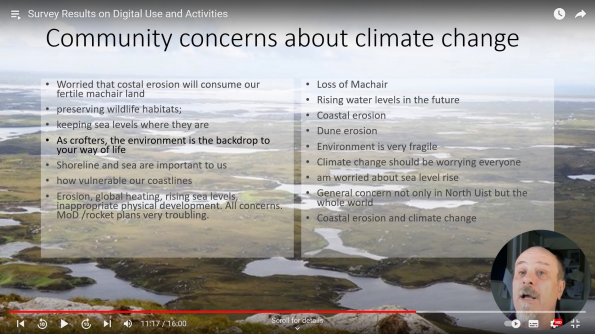
Còmhradh air crìonadh nan cladaichean

Le Gordon Wells

TeaandScones

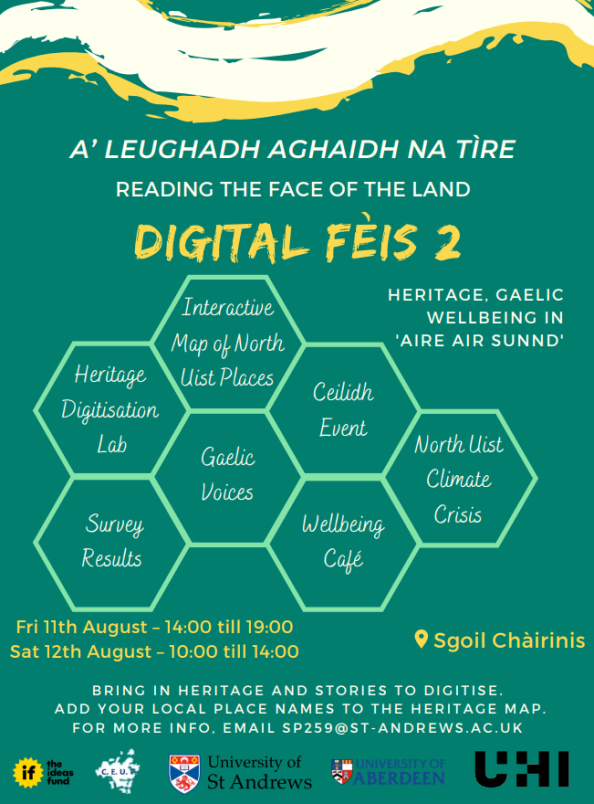
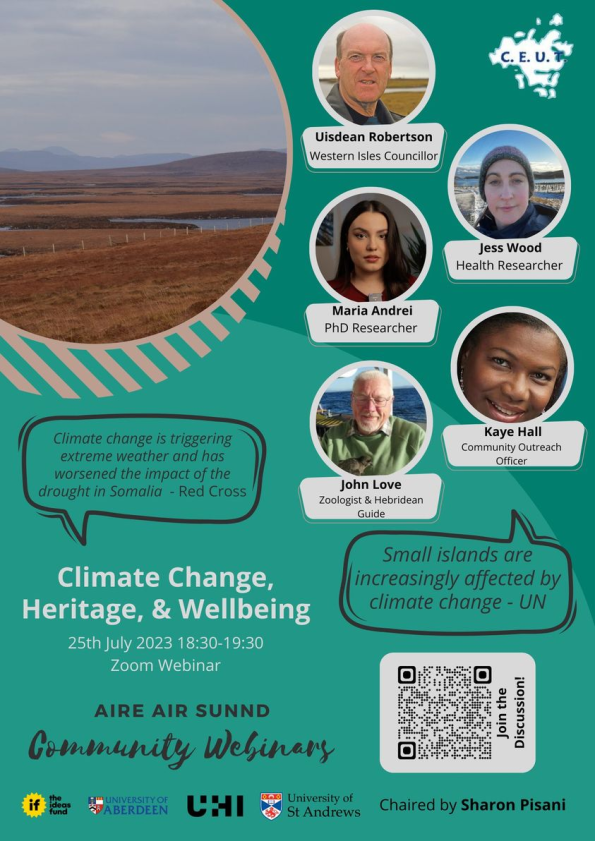
In our second community recording for Aire air Sunnd there are two new features. Firstly we’re very grateful to the Tobar an Dualchais project, and of course to the next-of-kin, for making a recording of Ruairidh na Càrnaich available for discussion in the same manner we used for “Còmhradh air Blàr Chàirinis“. This was a suggestion and request that came from the Comann Eachdraidh Uibhist a Tuath Gaelic group themselves, to which Flòraidh Forrest at Tobar an Dualchais responded immediately and most helpfully, going the “extra mile” to additionally commission a transcription of the recording, which has also been a great help in creating a Clilstore unit for the full YouTube clip. It was Ùisdean’s idea to pick this particular clip, in which Ruairidh talks about historical coastal erosion in North Uist, in a recording made in 1958. With climate change now such a “hot topic” it makes particularly interesting listening to hear how it was thought about and discussed in times gone by.

Secondly, we also experimented with a “hybrid” format for the meeting, with most of the participants meeting together in Sgoil Chàirinis, while a couple of others joined in on Zoom. Obviously, it’s easier to hold a conversation with people all in the same room together, though that does pose recording challenges, particularly when folk are quite naturally more likely to all talk at once, and you’re trying to use the ordinary everyday recording equipment we all now have to hand in our phones or laptop computers. So it was interesting to see how that would work with some people also joining in remotely. We’ve done some editing with the final recording to select “best bits” where the recorded conversation is clearest. So we have missed some parts out, but hopefully viewers will still get a good idea of how the discussion went, after listening to Ruairidh’s high quality audio recording in full.

We have again added Closed Caption subtitles as an optional extra, and these can be auto-translated into a wide range of languages, including English, from the original Gaelic, using the YouTube settings wheel. It may be worth bringing to the attention of Gaelic learners that you can also slow down the playback speed of the clip (without altering the pitch!) if there are any parts that you struggle to follow in real time.

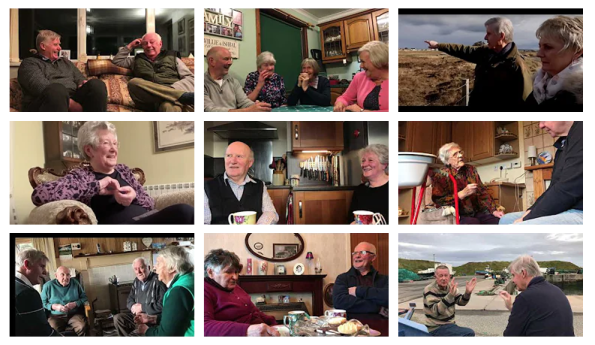
Members and supporters of Comann Eachdraidh Uibhist a Tuath, the North Uist Historical Society, listen to and talk about Ruairidh na Càrnaich’s Gaelic discussion of Uist coastal erosion with John MacInnes, as presented on the Tobar an Dualchais website. Part of the Ideas Fund “Aire air Sunnd” project, in which the Universities of Aberdeen, St Andrews, and the Highlands and Islands team up with Island Voices to provide research support for well-being initiatives on the island.

The full details of the recording of Ruairidh na Càrnaich are as follows: Cunntas Air Crionadh Nan Cladaichean Ann An Uibhist A Tuath, Roderick MacDonald, (contributor), John MacInnes, (fieldworker), ref: SA1958.171.B4, the School of Scottish Studies Archives, the University of Edinburgh. Permission, which is gratefully acknowledged, has been granted for this use only.

The full transcript is also available as a Wordlinked Clilstore unit here – http://multidict.net/cs/11280 – and here – https://clilstore.eu/cs/11280.


Tadhail air Island Voices – Guthan nan Eilean

Powered by WPeMatico

Bile Sgoiltean (Foghlam Còmhnaidh a-muigh) – Aithisg na co-chomhairle

Le Oifigear Gàidhlig

Às dèidh co-chomhairle, tha Liz Nic a’ Ghobhainn BPA air am moladh deireannach aice airson Bile Buill a chur a-steach gus dèanamh cinnteach gum bi cothrom aig òigridh air foghlam a-muigh: Bile Sgoiltean (Foghlam Còmhnaidh a-muigh) (Alba): Moladh airson Bile gus dèanamh cinnteach gum faigh daoine òga, gu sònraichte sa chiad cheithir bliadhna den àrd-sgoil, … Leugh an corr de Bile Sgoiltean (Foghlam Còmhnaidh a-muigh) – Aithisg na co-chomhairle

Tadhail air Blog Pàrlamaid na h-Alba

Powered by WPeMatico