Tha loidhne Inbhir Lìobhann ann am Fìobh gu bhith ag ath-fhosgladh ann am beagan mhìosan.
Tha sin a’ togail ceist dhomh agus do luchd-iomairt eile: dè an ath loidhne a bu chòir ath fhosgladh?
Tha iomairtean làidir a’ dol air adhart aig an àm seo airson loidhnichean ùra gu Cill Rìmhinn agus Eilean/Ceann Phàdraig/Baile nam Frisealach.
Ach tha loidhne eile ann a bu chòir ath-fhogladh cuideachd ann an àite a tha air leth feumail air leasachadh agus nach biodh ro-chosgail a chionn ’s gu bheil an trac fhathast ann agus fhathast ga chleachdadh airson bathair. Gu dearbha, chaidh a dealanacadh bho chionn ghoirid.
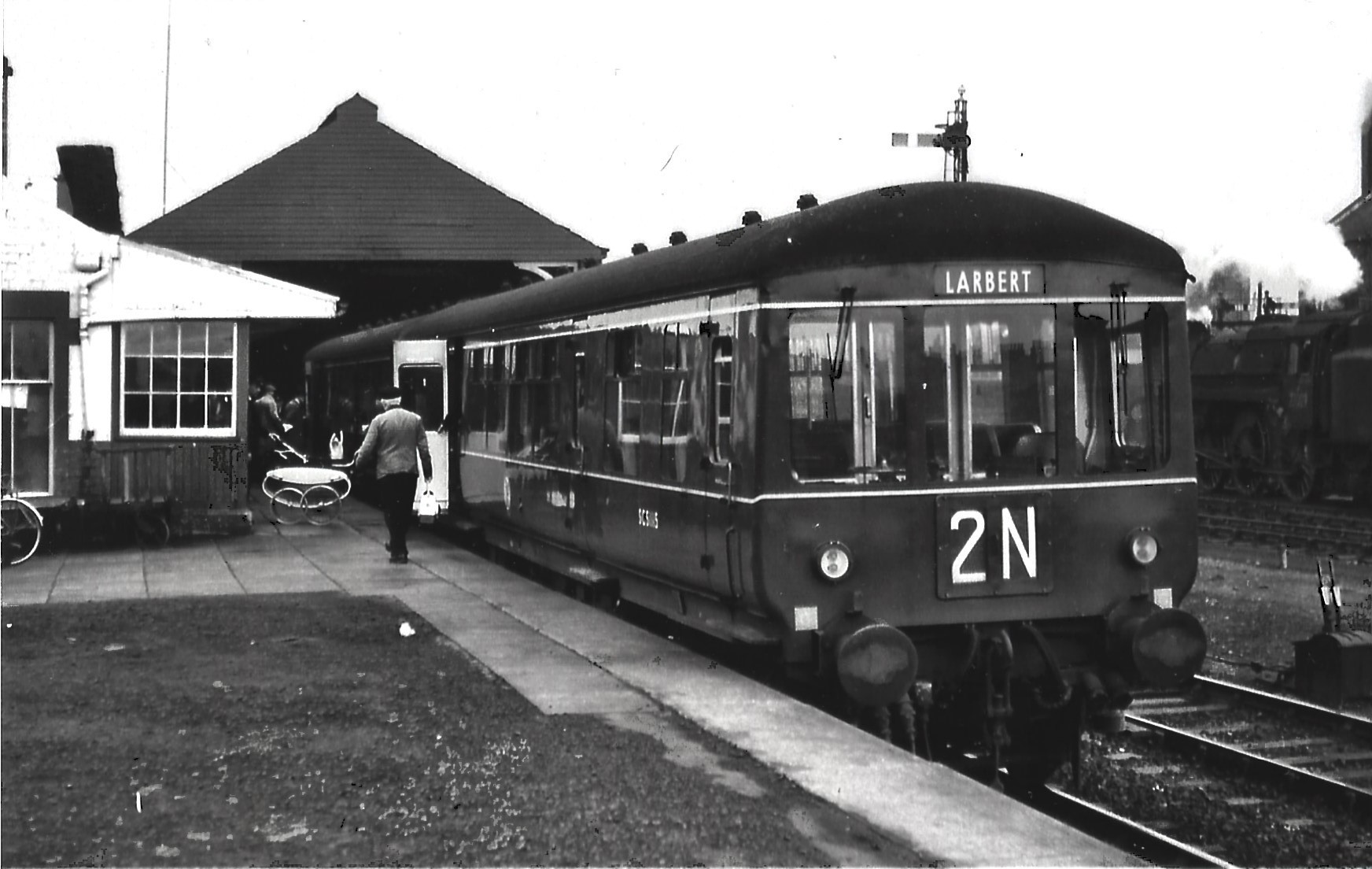
Seo loidhne a dhùin ann nan 1968 ach a bhiodh gu math feumail san latha an-diugh – an loidhne gu Inbhir Ghrainnse.
Seo dealbh den stèisean a bh’ ann roimhe.
Clas 100, Inbhir Ghreinnse
Tha an loidhne fhathast ann agus fhathast ga cleachdadh gu mòr agus tha làrach an stèisean fhathast ann cuideachd. Cha bhiodh obair no cosgaisean ro mhòr an lùib pròiseact ath-fhosglaidh agus tha sluagh mòr gu leòr aig a’ bhaile airson seirbheis rèile – c20,000.
‘S e an t-aon duilgheadas gu bheil an loidhne bhon Eaglais Bhric a’ tighinn bho thaobh Ghlasch mar a chithear san dealbh gu h-ìosal. Mar sin, dh’fhaodadh trèanaichean eadar-Ghlaschu, Comar nan Allt agus An Eaglais Bhreac (Baile a’ Ghreumaich) a dhol air adhart gu Inbhir Ghrèinnse. Mar sin, bhiodh e furasta trèanaichean a ruith gu dìreach bho Ghlachu ach cha ghabhadh trèanaichean a ruith ann gu dìreach bho Dhùn Èideann. Mar sin, dh’fheumadh còrd goirid a thogail bho thaobh Dhùn Èideann den loidhne no dh’fheumadh luchd-siubhail a tha a’ dol a Dhùn Èideann an trèana fhàgail anns an Eaglais Bhric agus trèana eile a ghlacadh an sin.
Deugairean agus a’ Gàidhlig taobh a-muigh na sgoile: co-theacs, co-obrachadh agus comhairle an tidseir
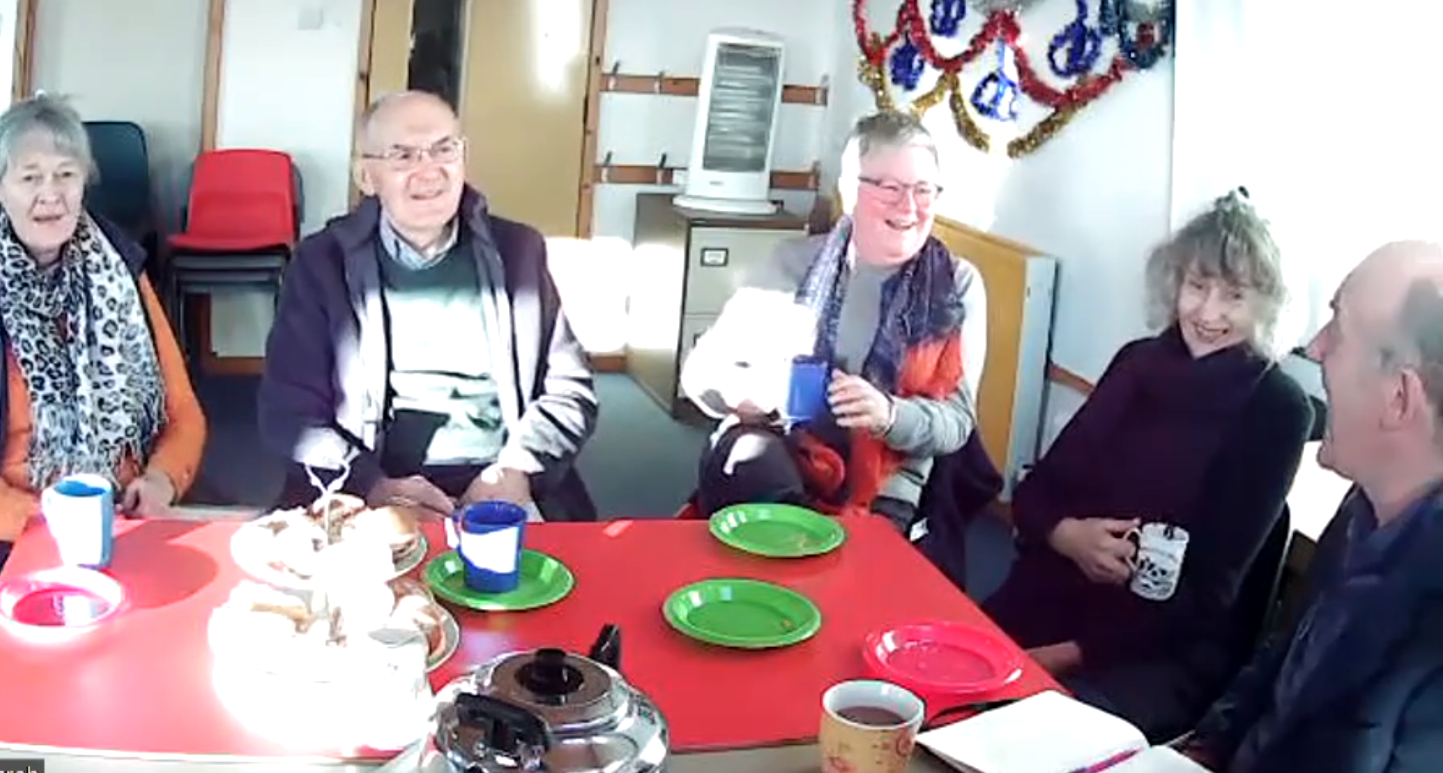
Bidh coinneamh againn oidhche Dhiardaoin sa tighinn (16/02/2023). Bidh sinn a’ coinneachadh gus fàilte a chuir air Dr Ciorstaidh NicLeòid, Oilthigh Obar Dheathain, a bhios a’ bruidhinn ann an Gàidhlig mu cuid rannsachaidh air a’ cheann a chithear gu h-àrd. Bidh sinn aig Sgoil Ghàidhlig Ghlaschu, 7,30f, agus an dòchas gun urrainn dhuibh a bhith an làthair – fàilte bhlàth oirbh uile.
Our next speaker, this coming Thursday, will be Dr Kirsty MacLeod, University of Aberdeen, who will be speaking in Gaelic on her research into teenagers and the language context outwith the school.
We hope you can make it along and all are very welcome, 7.30, Sgoil Ghàidhlig Ghlaschu.
Leugh mi leabhar fìor mhath mu rathaidean-iarainn na h-Alba bho chionn ghoirid agus sgrìobh mi an lèirmheas seo air Goodreads. Shaoil mi gum biodh e math a chur suas air a’ bhloga, ged a tha e sa Bheurla.
In Scotland’s Lost Branch Lines – Where Beeching Got it Wrong, transport expert and activist David Spaven looks at how and why all of Scotland’s rural branch lines came to be closed.
While there is a tendency to look at all railway closures as the fault of Dr Beeching, Spaven reminds us that this is not the case. He goes on to put Beeching report into its broader historic context, looking at branch line closures under the Big Four and by BR before Beeching and at the subsequent closures in the late sixties and early seventies, many of which inot recommended by his Reshaping British Railways report.
Beeching has always been something of a folk enemy and his name is infamous even today some 60 years on. In recent years, some people have taken a revisionist view of the railway axe-man. Spaven notes that the remit handed to Beeching was somewhat narrow and was aimed purely at bringing the railways into profit and did not consider the broader socio-economic importance of the railways. However, as the book points out using a great deal of historic research and railway expertise, Beeching’s analysis could be said to be very weak even within the remit handed to him by the even more villainess Ernest Marples, Minister for Transport.
Stèisesan Chalashraid – loidhne a dhùin an Dr Olc
It has often been pointed out before that the report was based on figures taken at periods of the year that didn’t take account of seasonal traffic. The robustness of the figures has often been challenged too as has Beeching’s overoptimism that passengers would continue to use rail services from the nearest railhead following closure of their local branch line.
Spaven’s main thesis is that in addition to these weaknesses, Beeching also failed to consider measures short of closure which could have allowed the maintenance of branch lines. Looking at a range of case studies including Ballater, Peterhead/Fraserburgh, Ballachulish, Crieff, Callander, Peebles and the Fife Coast line amongst others, the author argues that the potential of costs savings through de-staffing stations, singling tracks, closing little-used stations and reducing the numbers of manual level crossings and signal boxes could have radically reduced the cost of running many of the lines. Increased service levels using modern DMUs would also have helped, increasing the attractiveness of rail travel, particularly if combined with improved promotion and fare reform.
It is recognised that some railways were so uneconomic as to have been candidates for closure in any situation, however, many others are shown to have had a lot more life in them at the time of closure.
The book finishes with chapters on lessons learnt and the future of branch lines. The latter looks at the most likely future reopenings and the potential of tram-trains and the integration of railways with official ScotRail coach services.
While Spaven isn’t expecting a revolution in building new branch lines in Scotland any time soon, he is relatively optimistic about the future and puts forwards many good suggestions. One of the compelling ideas of the book is that there was a fatalism about the railways in the 1960s, shared by the public, railway workers, politicians and trade unions alike that railways were largely a thing of the past and their decline inevitable. This led to pessimism about saving lines and failure to consider alternatives to closure.
With congested cities and the environmental crisis, the pendulum is turning in the other direction with a widely shared view that railways and public transport in general are the way forward. Opening or reopening railways is a slow, difficult and expensive business but this spirit of the age makes for a hopeful future. We’re soon to see the Leven Line reopen. Where will be next? St Andrews? Ellon/Peterheid/Fraserburgh?
Finally, Spaven also proves that it is still OK to see Beeching as a baddie!
This book is not only a fascinating read, but contains many photographs, many from Spaven’s own collection and has a table with the dates of closures of the different branch lines which readers are likely to find themselves referring back to often.
Tha Pàrlamaid na h-Alba a’ cumail co-chomhairle air-loidhne an-dràsta mu chom-pàirteachadh coimhearsnachd. A bheil thu airson cumadh a thoirt air Pàrlamaid na h-Alba agus mar a dh’obraicheas i le muinntir na h-Alba anns an àm ri teachd? Faodaidh tu seo a dhèanamh le bhith a’ gabhail pàirt ann an deasbad air-loidhne mu chom-pàirteachadh ann am … Leugh an corr de Co-chomhairle air Com-pàirteachadh Poblach – tog do ghuth!
In our second community recording for Aire air Sunnd there are two new features. Firstly we’re very grateful to the Tobar an Dualchais project, and of course to the next-of-kin, for making a recording of Ruairidh na Càrnaich available for discussion in the same manner we used for “Còmhradh air Blàr Chàirinis“. This was a suggestion and request that came from the Comann Eachdraidh Uibhist a Tuath Gaelic group themselves, to which Flòraidh Forrest at Tobar an Dualchais responded immediately and most helpfully, going the “extra mile” to additionally commission a transcription of the recording, which has also been a great help in creating a Clilstore unit for the full YouTube clip. It was Ùisdean’s idea to pick this particular clip, in which Ruairidh talks about historical coastal erosion in North Uist, in a recording made in 1958. With climate change now such a “hot topic” it makes particularly interesting listening to hear how it was thought about and discussed in times gone by.
Secondly, we also experimented with a “hybrid” format for the meeting, with most of the participants meeting together in Sgoil Chàirinis, while a couple of others joined in on Zoom. Obviously, it’s easier to hold a conversation with people all in the same room together, though that does pose recording challenges, particularly when folk are quite naturally more likely to all talk at once, and you’re trying to use the ordinary everyday recording equipment we all now have to hand in our phones or laptop computers. So it was interesting to see how that would work with some people also joining in remotely. We’ve done some editing with the final recording to select “best bits” where the recorded conversation is clearest. So we have missed some parts out, but hopefully viewers will still get a good idea of how the discussion went, after listening to Ruairidh’s high quality audio recording in full.
We have again added Closed Caption subtitles as an optional extra, and these can be auto-translated into a wide range of languages, including English, from the original Gaelic, using the YouTube settings wheel. It may be worth bringing to the attention of Gaelic learners that you can also slow down the playback speed of the clip (without altering the pitch!) if there are any parts that you struggle to follow in real time.
Members and supporters of Comann Eachdraidh Uibhist a Tuath, the North Uist Historical Society, listen to and talk about Ruairidh na Càrnaich’s Gaelic discussion of Uist coastal erosion with John MacInnes, as presented on the Tobar an Dualchais website. Part of the Ideas Fund “Aire air Sunnd” project, in which the Universities of Aberdeen, St Andrews, and the Highlands and Islands team up with Island Voices to provide research support for well-being initiatives on the island.
The full details of the recording of Ruairidh na Càrnaich are as follows: Cunntas Air Crionadh Nan Cladaichean Ann An Uibhist A Tuath, Roderick MacDonald, (contributor), John MacInnes, (fieldworker), ref: SA1958.171.B4, the School of Scottish Studies Archives, the University of Edinburgh. Permission, which is gratefully acknowledged, has been granted for this use only.
Às dèidh co-chomhairle, tha Liz Nic a’ Ghobhainn BPA air am moladh deireannach aice airson Bile Buill a chur a-steach gus dèanamh cinnteach gum bi cothrom aig òigridh air foghlam a-muigh: Bile Sgoiltean (Foghlam Còmhnaidh a-muigh) (Alba): Moladh airson Bile gus dèanamh cinnteach gum faigh daoine òga, gu sònraichte sa chiad cheithir bliadhna den àrd-sgoil, … Leugh an corr de Bile Sgoiltean (Foghlam Còmhnaidh a-muigh) – Aithisg na co-chomhairle
Tha Comataidh Ceartas Sòisealta agus Tèarainiteachd Shòisealta Pàrlamaid na h-Alba air turas rannsachaidh ann an Uibhist an-diugh is a-màireach. Tha seo mar phàirt den rannsachadh aca air obair phàrantan agus bochdainn chloinne. Faodaidh tu turas na Comataidh a’ leantainn air Twitter air cunntas na Comataidh @SP_SJSS, @ParlAlba agus air @Engage_SP – sgioba com-pàirteachaidh na Pàrlamaid. … Leugh an corr de Comataidh Phàrlamaideach ann an Uibhist
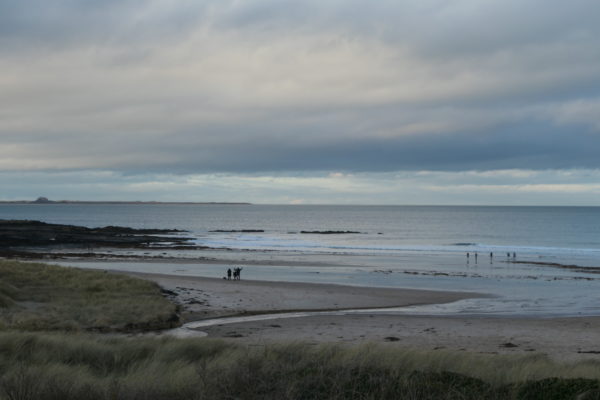
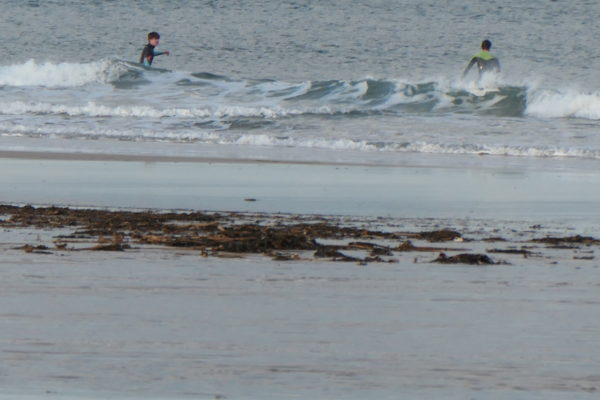
Eadar an Nollaig agus a’ Bhliadhn’ Ùr bha cothrom agam beagan làithean a chur seachad còmhla ri caraid agus an dà chù aice ann an Northumberland. Tha, ‘s dòcha, 20 bliadhna bhon a bha mi san sgìre sin, ach a-mhàin san dol seachad, agus leis gun do chòrd i rium glan an turas mu dheireadh, bha mi a’ dèanamh fiughair ri a faicinn a-rithist. Agus chan e briseadh-dùil a bh’ ann idir – àite cho àlainn is eachdraidheil ‘s a bha e riamh. Chleachd sinn an ùine ghoirid gu math, le bhith a’ coiseachd air diofar thràighean leis na coin, agus a’ tadhal air seann chaistealean is eaglaisean (is dìreach pailteas dhiubhsan an sin).
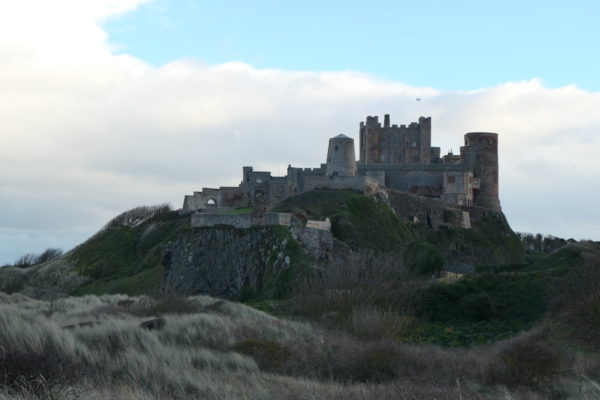
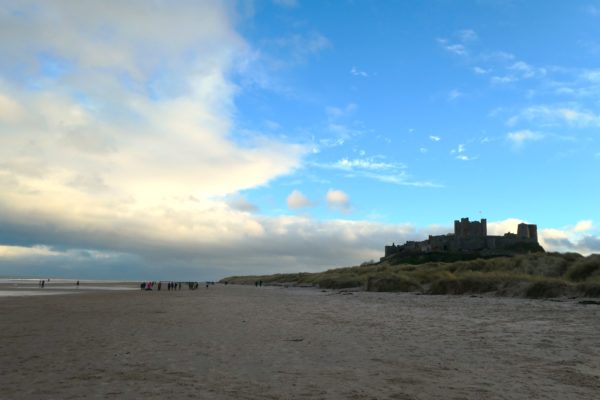
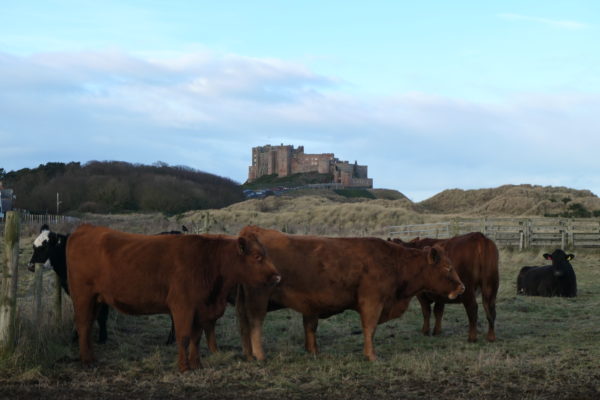
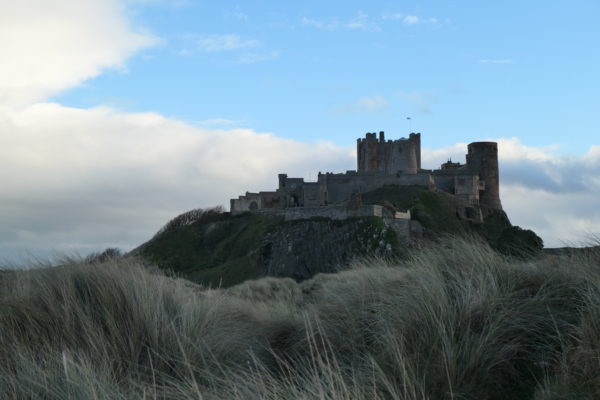
Ach an-diugh bha mi airson innse dhuibh mun chaisteal as ainmeile an sin, Bamburgh. Chì thu bho fhada e às gach àird, na shuidhe gu pròiseil air a chreig bhasailt chais sna dùin-ghainmich, dìreach ri taobh na mara am meadhan achaidhean rèidh. Sealladh druidhteach!
Bha àitichean-tuinidh air a’ chreig agus timcheall oirre fad nam miltean de bhliadhnaichean, ach ’s ann leis na rìghrean Anglach is Sagsannach a thàinig na linntean a bu chudromaiche a’ chaisteil, is iad an sàs ann an sgaoileadh Crìostaidheachd (chaidh Naomh Aodhan a chur bho Eilean Ì san 7mh linn) agus anns an dìon an aghaidh nan Lochlannach – agus nan Cruithneach. Dh’fhàs an daighneach na bhu mhotha ‘s na bu treasa thar nan linntean, fo rìoghrachasan eile, ach mu dheireadh thall cha robh fiù ‘s na ballaichean tomadach cloiche sin làidir gu leòr agus ri àm Cogaidhean nan Ròsan bha Bamburgh na chiad chaisteal san tìr a chaidh a mhilleadh le cumhachd chanan.
As dèidh sin cha deach Caisteal Bhamburgh fìor am feabhas buileach mar dhaighneach. San 18mh linn bha e na àite-fuirich Easbaig Dhurham, Lord Nathaniel Crewe, a thòisich càradh a’ chaisteil, obair a chùm Urras Lord Crewe a’ dol as a dhèidh tron 19mh linn. Bha an t-Urras cuideachd an sàs ann an ath-thogail a’ bhaile agus ann an stèidheachadh seòrsa “stàit shochairean” ionadail le ospadal, sgoil, bàta-teasairginn is eile. Ach air sgàth dhuilgheadasan ionmhasail a thàinig orra, cheannaich Lord Armstrong of Cragside an caisteal ‘s an oighreachd ann an 1894.
Agus ‘s ann fodhasan a dh’ùr-bheòthaich an caisteal, le obraichean-togail mòra agus leis an ath-chruthachadh gu bhith mar dhaighneach Mheadhan-Aoiseach a-rithist. Dh’fhuirich e fhèin ann gu tric, agus lìon e le àirneis sònraichte is ealain e. Sin an caisteal a chì thu an-diugh, agus is fìor fhiach a dhol ann – tha an togalach agus an suidheachadh (agus an sealladh) drùidhteach gu leòr iad fhèin, ach a bharrachd air sin, tha na seòmraichean diofraichte, bhon talla mhòr chun a’ chidsin, uabhasach intinneach is làn stuth tarraingeach, le mìneachaidhean soilleir ciallach annta.
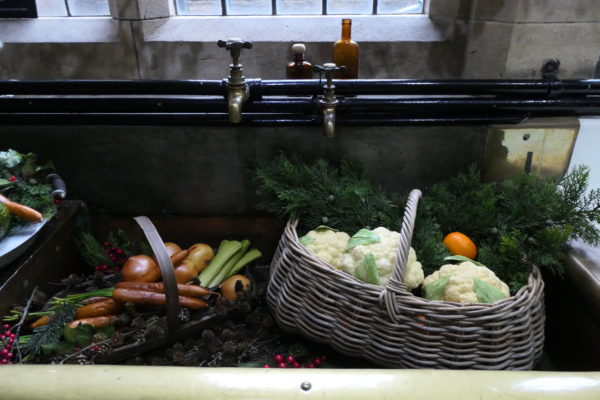
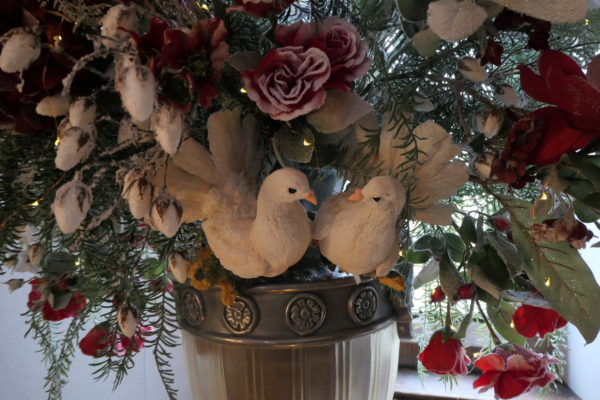
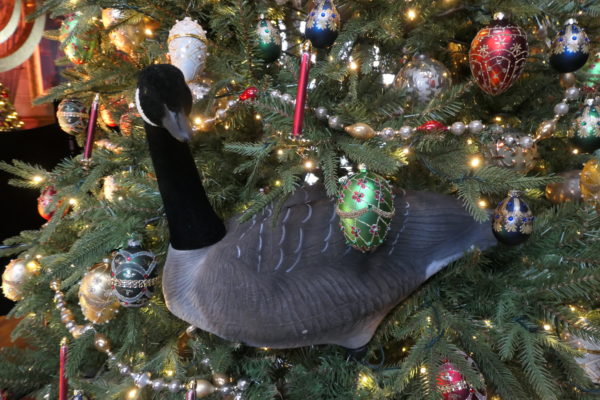
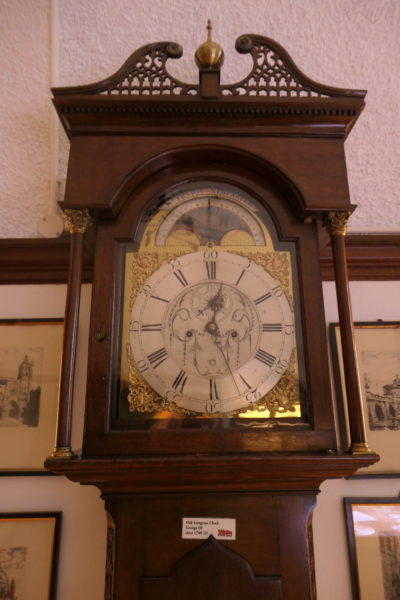
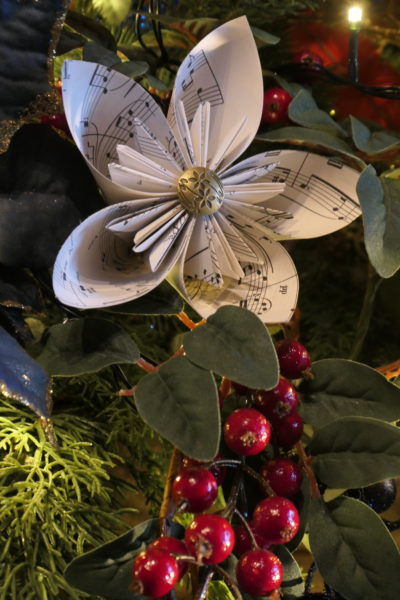
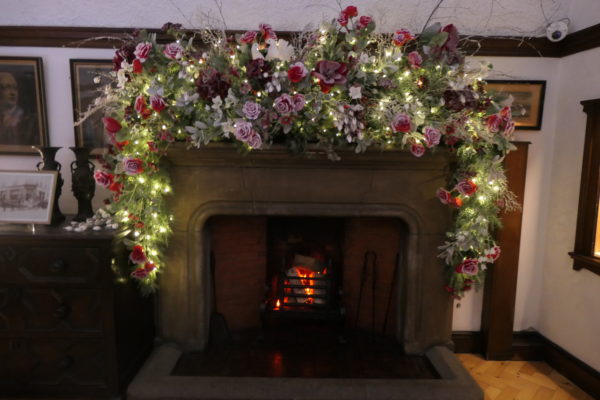
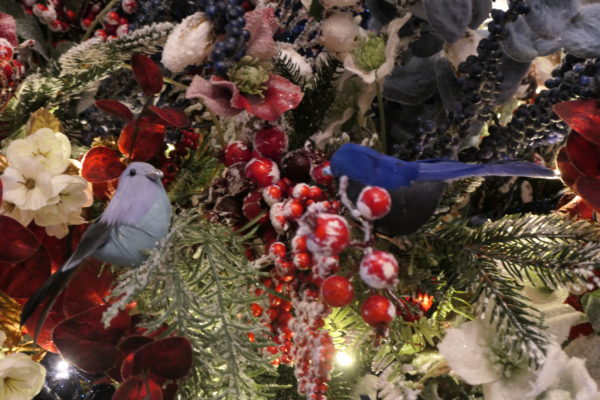
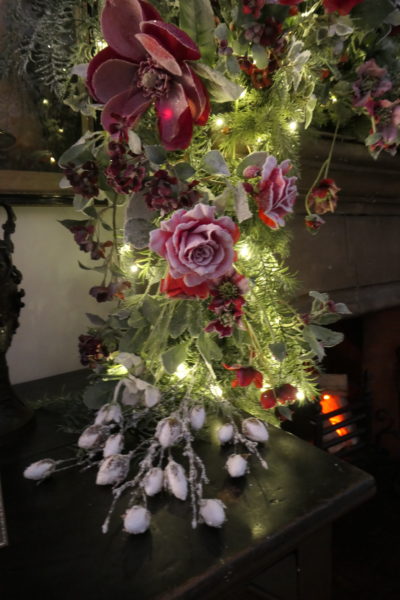
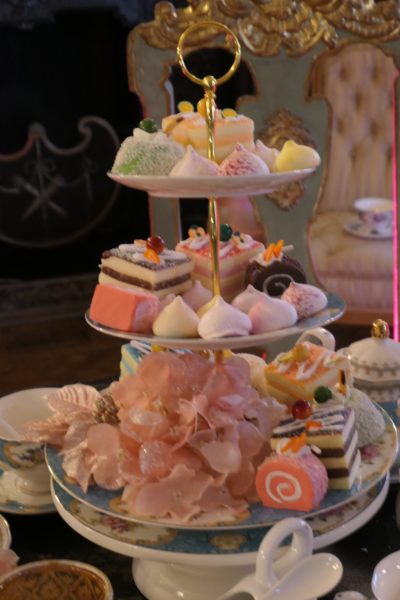
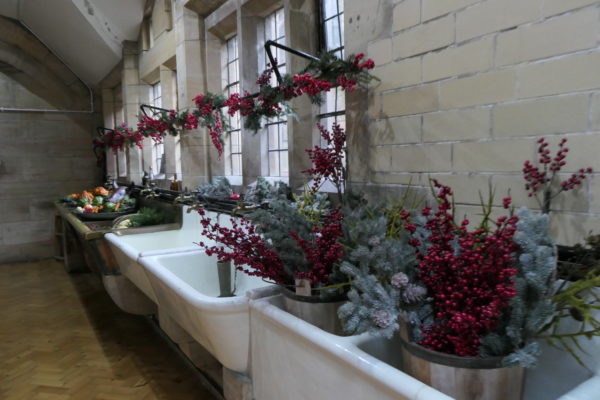
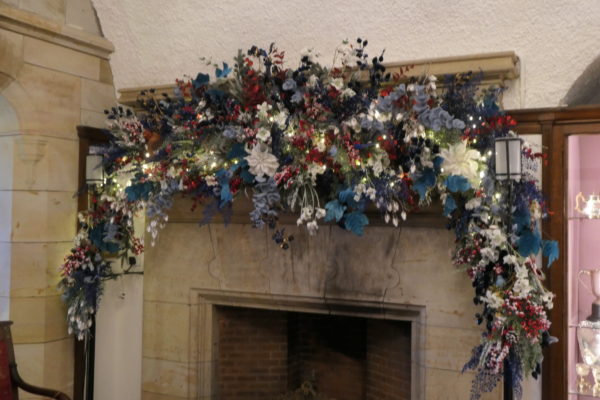
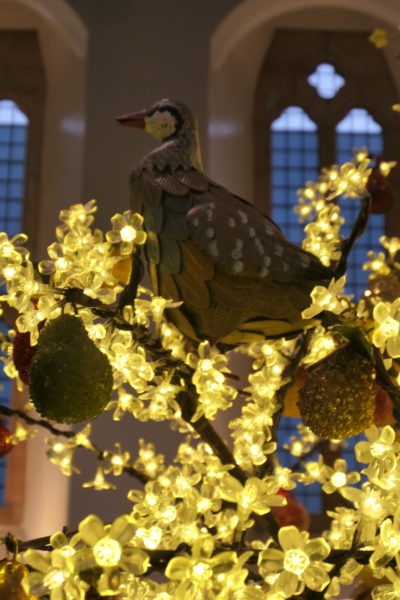
Ach faodaidh mi tadhal timcheall air àm na Nollaig a mholadh gu h-àraidh. Chan ann dìreach oir cha bhi e cho trang, ach ‘s ann gum bi iad a’ sgeadachadh nan seòmraichean a-rèir cuspair Nollaige (an turas seo The Twelve Days of Christmas), gu proifeasanta ‘s gu h-àlainn, cho cruthachail is mionaideach ‘s gur gann gun creidseadh tu e. Chòrd rium gu h-àraidh na breusan sgeadaichte gu h-ealanta. ‘S e Charlotte Lloyd-Webber, dealbhaiche-tèatair, a chruthaicheas e leis an sgioba aice, mar a nì i cuideachd aig Caisteal Howard, agus is fhiach fhaicinn – chan eil mi fhìn uabhasach measail air sgeadachadh mar as àbhaist, ach ‘s e rud gu tur a-mach às an àbhaist a bha seo, aig ìre àrd ealanta; chan e kitsch a th’ ann idir. Bidh iad ga dhèanamh a-rithist san Dùbhlachd am bliadhna, a rèir coltais.
Agus mura h-eil sin gu leòr, tha am baile fhèin snog, le cafaidhean is taigh-seinnse, agus eaglais eachdraidheil, agus tha an tràigh-ghainmhich ri taobh a’ chaisteal air leth brèagha, fada, farsaing, agus dìreach taghta do theaghlaich – agus do choin. Rùm gu leòr ann dhan a h-uile duine!
Between Christmas and New Year I had the chance of a few days away with a friend and her two dogs in Northumberland. It’s maybe 20 years since I was in that area, except for passing through, and I’d enjoyed it so much the last time that I was really looking forward to it. And I wasn’t disappointed – it’s as lovely and historic as ever. We fairly packed in the beach walks, castles and old churches (and there are plenty of all these) in the short time.
But in this article I want to concentrate on the most famous castle there – Bamburgh. You can see it from far away from every direction, perched proudly on its steep basalt crag in the dunes, right by the sea, amid flat farmland. An impressive sight!
There have been settlements on the crag and around it for thousands of years, but it was under the kings of the Angles and the Saxons that it had its most important centuries, being involved in the spread of Christianity (St Aiden was sent there from Iona in the 7th C) and the defence against the Vikings – and the Picts. The fortress grew larger and stronger over the centuries under other dynasties, but even these massive stone walls were not enough to stop it becoming the first castle in the country to fall to canon, during the Wars of the Roses.
After that Bamburgh Castle never really fully recovered as a military stronghold. In the 18th C it was the residence of the Bishop of Durham, Lord Nathaniel Crewe, who began to repair it, work which was continued after him by the Lord Crewe Trust through the 19th C. The Trust was also active in rebuilding the village, and it established a kind of local “welfare state” with hospital, school, lifeboat etc. But due to financial difficulties that befell them, Lord Armstrong of Cragside bought the castle and estate in 1894.
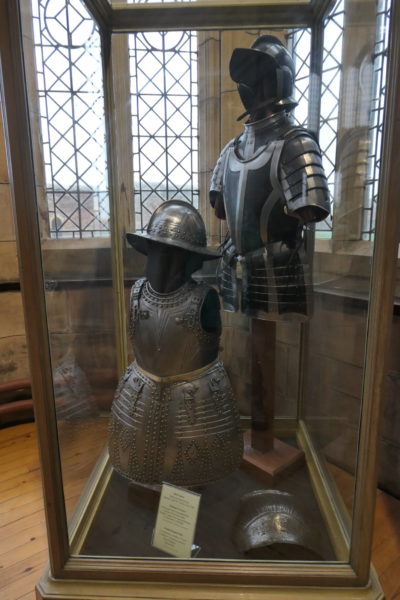
It was under him that the castle saw a revival, with major building works and restoration back into a mediaeval fortress. He often stayed in the castle himself, and filled it with sumptuous furniture and art. That’s the castle we see today, and it’s absolutely worth going to see it – the building and its location (and view) themselves are impressive enough, but also the different rooms inside, from the great hall to the kitchen, are extremely interesting, full of fascinating objects, with clear, discreet explanations.
But I can especially recommend a visit around Christmas. Not just because it’s less busy, but also because they decorate the rooms with a Christmas theme (this year it was The Twelve Days of Christmas), professionally and beautifully; it’s so creative and detailed that it’s hard to believe. I particularly admired the beautiful, elaborate fireplace decoration. It’s the theatre-designer Charlotte Lloyd-Webber and her team who create it, as they also do at Castle Howard, and it’s really worth seeing – ordinarily I’m not very keen on decoration, but this was something altogether out of the ordinary, at a high level of artistry, no hint of kitsch. They’re doing it again this December, apparently.
And if all that wasn’t enough, the village itself is lovely, with cafes and a pub, and a historic church, and there’s an exceptionally beautiful long, wide sandy beach right beside the castle, just perfect for families – and for dogs. Plenty of room there for everyone!
San latha a th’ ann, bidh sinn a’ smaoineachadh air na rathaidean-iarainn mar shiostam no lionra ach nuair a chaidh an togail an toiseach san 19mh linn, chan ann mar sin a bha cùisean idir.
Bha na diofar chompanaidean rèile a’ co-fharpais gu mòr ri chèile agus tha seo gu math follaiseach bho na diofar stèiseanan sna bailtean-mòra. Ann an Dùn Èideann, mar eismpleir, bha dà therminus ann: Waverley agus Sràid a’ Phrìonnsa. Ann an Glaschu, bha ceithir ann: Glaschu Mheadhain, Sràid na Banrigh, Sràid Bhochanan agus St Enoch.
Bha rudan nas miosa buileach ann an Lunnainn, ge-tà. San latha an-diugh, tha 14 termini ann agus b’ àbhaist barrachd a bhith ann!
Bidh mi a’ dol gu Lunnainn meadhanach tric ach chan eil mi air a bhith anns a h-uile terminus fhathast. Tha mi air na bhith anns a’ mhòr-chùid aca mar-thà ach bha dhà no trì nach fhaca mi riamh roimhe agus shaoil mi gur e deagh thuras a bhiodh ann. Mar sin, chuir mi romham a dhol air splaoid gu na termini Lunnainneach uile ann an latha.
Tha e furasta a dhol eatorra uile air an Underground ach bha sin ro fhuarasta dhomh agus mar sin, chuir mi romhan a dhol ann air trèanaichean an lìonra nàisesanta a-mhàin. Far nach robh e comasach a dhol eadar stèiseanan gu dìreach, bha e ceadaichte a choiseachd eadar stèiseanan.
Chuir mi seachad grunn làithean ag obair air plana airson a dhol eadar stèiseanan agus mu dheireadh thall, bha plana agam – plana gu math toinnte le còrr is 30 tursan trèana. An uair sin, chuir mi taigh-òsta agus siubhal air dòigh eadar an Nollaig is a’ Bhliadhna Ùr.
Gu mì-fhortanach, às dèidh dhomh na tiocaidean a cheannach, chaidh fhoillseachadh gum biodh grunn loidhnichean is stèiseanan dùinte rè nan saor-làithean airson obair innlearachd – Liverpool Street air fad agus a h-uile Loidhne Overground gu Liverpool Street nam measg. Agus cha robh e comasach a dhol eadar Victoria agus Waterloo air an trèana mar thoradh air obair innleadaireachd aig Clapham Junction. Agus a bharrachd air sin, air an latha fhèin, bha trioblaidean ann leis na loidhnichean Overground a-mach is a-steach a Euston…
Bha agam ri co-dhùnadh am bu chòir dhomh cumail a’ dol agus a dhol eadar na stèiseanan a’ cleachdadh an tiùb far an robh sin a dhìth, no a bhith ga fhàgail gu latha eile agus rudeigin eile a dhèanamh air an turas seo a Lunnainn. Aig a’ cheann thall, cho-dhùin mi gum bu chòir dhomh a dhèanamh co-dhiù agus rinn mi air Charing Cross gus an turas a thòiseachadh.
Charing Cross – CHX (1864). Le South Eastern Railway, an uair sin le Southern Railway bho 1923
Thagh mi Charing Cross leis gu bheil an stèisean ann an teas mheadhan Lunnainn. B’ e an Charing Cross tè de na h-Eleanor Crosses a thog Rìgh Eideard I Shasainn gus a bhean Eleanor a chomharrachadh. Nuair a chaochail i ann an meadhan Shasainn ann an 1294, thog an Rìgh crois anns gach àite far an do laigh a ciste-laighe aice air an t-slighe air ais gu Abaid Westminster.
Chaidh a’ chrois a sgrìos le Crombail fo lagh leis an ainm inntinneach An Ordinance for the utter demolishing, removing and taking away of all Monuments of Superstition or Idolatry, agus às dèidh ath-stèidheachadh na Monarcachd, chaidh ìomhaigh de Rìgh Tèarlach I (le a cheann!) a chur na h-àite. Chun an latha an-diugh, tha Ìomhaigh Thèarlaich I a’ comharrachadh meadhan oifigeil Lunnainn.
Dh’fhosgail Stèisean Charing Cross ann an 1864 agus ri a thaobh, chaidh lethbhreac den Charing Cross a thogail a tha nas motha na a’ chrois thùsail.
Tha sealladh àlainn den abhainn agus de mheadhan a’ bhaile bho Charing Cross agus bha mi gu math toilichte a bhith ann oir cha do ghlac mi trèana ann riamh roimhe. Fhuair mi trèana a bha a’ dol gu Dartford. Bu toil leam a dhol gu Stèisean Dartford latha de na làithean oir tha plac ann air àrd-ùrlar a tha a’ comharrachadh far an do choinnich Mick is Keith sna Rolling Stones an toiseach. An-diugh, ge-tà, cha robh tìde agam agus cha deach mi ach air turas gu math goirid gu Waterloo East.
2.Waterloo East– WAE (1869). Le South Eastern Railway, an uair sin le Southern Railway bho 1923 (Airson Waterloo – WAT [1848], le London and South Eastern Railway, an uair sin le Southern Railway bho 1923)
Tha stèisean Waterloo air leth ainmeil – agus air leth trang. ‘S e an stèisean as motha ann am Breatainn a th’ ann agus chaidh mi ann tron bhràthair bheag aige – Waterloo East – stèisean co-cheangailte ris le slighe-coiseachd – ann an dòigh tha e caran coltach ri Glasgow Central Low Level – ach a-mhàin gu bheil e nas àirde na am prìomh stèisean.
Is e an rud as annasaiche gu bheil Stèisean Waterloo East caran coltach ri stèisean dùtchail seach stèisean ann an teas-mheadhan Lunainn, le togalach beag snog.
Choisich mi an uair sin a-steach gu Waterloo fhèin far a bheil goireasan gu leòr ann de gach seòrsa agus 22 àrd-ùrlaran.
Leis a sin, chaidh mi air ais gu Waterloo East airson a dhol air adhart dhan ath-stèisean – London Bridge.
3. London Bridge – LBG (1836), Le London and Greenwich Railway. London and Croydon Railway/London and Brighton Railway/South Eastern Railway, an uair sin le Southern Railway bho 1923
Is e Drochaid Lunnainn an terminus as sìne ann an Lunnainn ach ann an dòigh, is e an terminus as ùire a th’ ann cuideachd! B’ àbhaist dhan stèisean a bhith car coltach ri Margadh an Fheòir ann an Dùn Èideann – uamhasach trang agus uamhasach cudromach ach caran grod agus fada ro bheag. Coltach ri Margadh an Fheòr fhèin, rinneadh ath-sgeadachadh air an stèisean bho chionn ghoirid agus tha e a-nis tòrr nas motha agus tòrr nas spaideile.
Feumaidh mi a ràdh ge-ta, ged a tha e spaideil is tòrr nas fheàrr na bha e, chan eil dad eachdraidheil air fhàgail ann agus tha e a’ faireachdain caran clionaigeach agus gun anam. ‘S e àite airson a bhith a’ glacadh trèana a th’ ann seach stèisean mar St Pancras no King’s Cross far a bheil e tlachdmhor dìreach a bhith ann.
Às dèidh dealbh no dhà, bha an t-àm ann a dhol thairis air an àbhainn a-rithist gu Cannon Street.
4. Cannon Street – CST (1866), le South Eastern Railway, an uair sin le Southern Railway bho 1923
Chan eil ach mu mhìle ann gu Cannon Street ach chithear seallaidhean sgoinneil de mheadhan Lunnainn – Drochaid an Tùir, Àrd-eaglais Phòil is eile. Coltach ri Charing Cross, chaidh togalach oifisean a thogail os cionn stèisein Cannon Street – ach eu-choltach ri Charing Cross, cha do dh’fhàg iad rùm gu leòr airson nan trèanaichean! Tha mullach an stèisean gu math ìosail agus tha an t-àite ro bheag agus ro dhorcha. Bhon taobh a-muigh cuideachd tha coltas bloc oifis ann seach stèisean mòr eachdraidheil.
Leis a sin, fhuair mi an trèana air ais gu Drochaid Lunnainn airson a dhol air adhart dhan ath-stèisean.
5. Blackfriars – BFR (1864), le London, Chatham and Dover Railway, an uair sin le Southern Railway bho 1923
Tha stèisean Blackfriars caran neònach oir tha an stèisean air fad air drochaid thairis air an Thames. Faodaidh tu a dhol a-mach no a-steach dhan stèisean air gach taobh cuideachd – air Sràid na Banrigh Bhictoria aig tuath no air an South Bank aig deas.
Tha pannalan dealanach air mullach an stèisein a tha a’ cruthachadh dealain dhan stèisean air fad agus tha seallaidhean sgoinneil den abhainn ann cuideachd.
Tha sinn uile air cluinntinn mu Chrossrail (no “the Elizabeth Line” mar a chaidh a chur air) – loidhne spaideil ùr eadar iar agus ear, agus tha Blackfriars aig cridhe loidhne Thameslink a tha a’ ceangal tuath is deas san aon dòigh agus a dh’fhosgail ann an 1988.
Ann an dòigh, tha Blackfriars coltach ri London Bridge – chaidh ùrachadh chun na h-ìre is nach eil mòran eachdraidh air fhàgail – ach aig an aon àm, is toil leam e.
6. St Pancras – STP (1868), le London, Chatham and Dover Railway, an uair sin le London, Midland and Scottish bho 1923
An uair sin, ghlac mi an trèana air Thameslink airson an turais ghoirid gu St Pancras Eadar-nàiseanta.
Coltach ri Blackfriars agus London Bridge, chaidh St Pancras a sgeadachadh gu mòr beagan bhliadhnaichean air ais. Eu-choltach ris an dà stèisean sin, ge-tà, chaidh a dhèanamh ann an dòigh a chùm na rudan a bha math mun t-seann thogalach ach a thug piseach mhòr air cuideachd.
Thug an neach-naidheachd rèile Christian Wolmar “Cathedrals of Steam” air mòr-stèiseanan Lunnainn agus is dòcha gur e St Pancras an togalach as eaglaiseil agus as fheàrr a-mach asta uile.
B’ àbhaist do St Pancras a bhith mar phrìomh terminus airson trèanaichean às na Midlands ach b’ àbhaist dha a bhith gu math salach is dòrcha agus bha grunn mholaidhean ann gus an stèisean a dhùnadh is na trèanaichean a ghluasad gu Kings Cross is Euston.
Aig a’ cheann thall, chaidh an stèisean, a’ gabhail a-steach an taigh-òsta spaideil, a chumail agus ath-sgeadachadh mar therminus airson HS1 – an loidhne dhan Channel Tunnel. Tha bùithtean agus taighean-bidh sgoinneil ann agus ’s e an seòrsa àite a th’ ann far an rachadh tu fiù’s mur a robh thu gu bhith a’ dol air an trèana. Ma tha thu a’ tighinn no a’ falbh à Sasainn, tha e tòrr nas fheàrr na port-adhair.
Intermission!
Bha e mu mheadhan latha agus mar sin, bha an t-àm ann airson rudeigin ri ithe agus rud beag obair planaidh.
Thug mi a-mach an clàr-ama agam, atlas nan rathaidean-iarainn agus am fòn agam. Tha cùisean a’ fàs gu math doirbh às dèidh nan stèisesanan seo oir tha na ceanglaichean nas doirbhe is nas toinnte.
Tha e caran doirbh a dhol gu Marylebone bho na termini eile air trèanaichean mainline. B’ e am plana agam a dhol gu West Hampstead Thameslink agus an uair sin coiseachd gu West Hampstead (Overground) agus an trèana fhaighinn às a sin gu Williesden Junction, bho Williesen Junction gu Wembley Central agus an uair sin a’ coiseachd gu Wembley Stadium airson na trèana gu Marylebone.
Bha trioblaidean ann leis an Overground agus thug mi sùil air làrach-lìn TfL gus dearbhadh gun robh na trèanaichean fhathast a’ ruith. Bha iad agus mar sin, às dèidh biadh, chaidh mi air ais gu St Pancras agus ghlac mi an turas gu West Hampsted Thameslink.
Às dèidh dhomh coiseachd gu West Hammpsted (Overground), ge-tà, bha na shutters sìos agus fhuair mi a-mach gun deach na trèanaichean uile a chur dheth mar thoradh air trioblaidean siognalaidh beagan mhìonaidean ro làimh.
Mar sin, bha agam ri dhol air trèana tiùb airson a’ chiad turas den latha. An àite a bhith a’ dol fad na slighe gu Marylebone, chaidh mi gu Wembley Central air a’ Bhakerloo Line agus an uair sin, rinn mi air stèisean Wembley Stadium.
Gu mì-fhortanach, mar thoradh air stàilcean an latha roimhe agus obair air an loidhne, cha robh ann ach aon trèana gach uair a thìde agus bha mi dìreach air tè a chall. Gu fortanach, bha deagh leabhar agam – leabhar cò-rinn-e stèidhichte ann an taobh tuath na Cuimrigh. Leis gur e stèisean Wembley Stadium a bh’ ann, bha mi a’ smaoineachadh air Live Aid, consairt Cuimhneachaidh Freddie Mercury agus Keith Moon – a rugadh ann am Wembley. Rinn mi caraid cuideachd – calman!
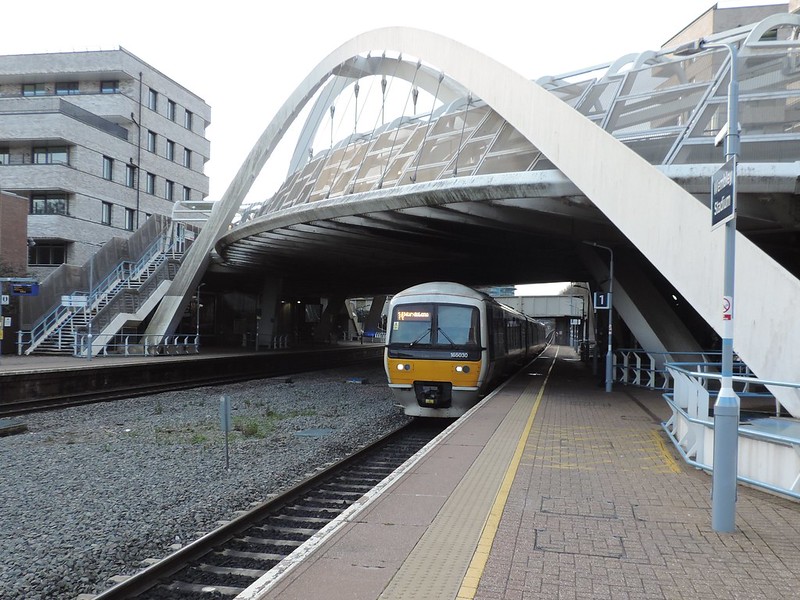
Stèisean Wembley Stadium
Chaidh an tìde seachad gu luath agus chan fhada gus an robh mi air an Clas 165 Networker gu Marylebone.
7. Marylebone – MYB (1899), Great Central Railway an uair sin London and North Eastern Railway bho 1923.
‘S e stèisean gu math beag a th’ ann an Marylebone – mun aon mheud ri Inbhir Nis. Seo an dàrna terminal as lugha ann an Lunnainn.
B’ àbhaist do Mharylebone a bhith na stèisean aig an Great Central – prìomh loidhne a ruith bho Sheffield gu Nottingham – Leicester – Lunnainn. Chaidh an loidhne air fad a dhùnadh eadar 1966 agus 1969 agus cha robh air fhàgail an uair sin ach seirbheisean coimiutair gu Aylesbury, High Wycombe agus Banbury.
Mar sin, gach turas a smaoinicheas mi mu Stèisean Marylebone, smaoinichidh mi air Marillion oir ’s ann a Aylesbury a tha iad.
Leis nach robh ann ach seirbheisean ionadail, bha BR airson an stèisean a dhùnadh. Bha iad am beachd a reic airson a chleachdadh mar stèisean bhusaichean. Gu fortanach, chaidh ìrean cleachdaidh nan seirbheisean suas gu mòr agus chaidh an stèisean a shàbhaladh. San latha an-diugh, tha seirbheisean a’ ruith bho Mharylebone gu Oxford is Birmingham cuideachd.
Tha mi den bheachd gur e stèisean fìor mhath a th’ ann – chan eil e ro mhòr agus tha e fhathast anns a’ chruth traidiseanta aige – ach tha e a’ coimhead cha mhòr ùr. Ann an leabhar a leugh mi bho chionn ghoirid, ge-ta: London’s Railway Termini: Photographs at the end of the Line le Nixon agus Lloyd, rinn iad comas eadar Marylebone agus Blancmange! Chan eil mi buileach cinnteach carson – cha robh coltas ro bhlancmangeach air idir nam bheachd…
Fhuair mi cofaidh agus rinn mi air an tiùb (mar thoradh air na trioblaidean leis an Overground) airson turas goirid air a’ Bhakerloo gu Paddington.
8. Paddington – PAD (1838), Great Western Railway
Tha stèisean Paddington dìreach àlainn agus chan fhada bho chaidh a sgeadachadh ann an dòigh a chuir eachdraidh agus an latha an-diugh ri chèile gu math. Seo cridhe a’ Great Western le trèanaichean a’ dol gu àiteachan air a bheil mi gu math dèidheil – a’ Chòrn agus taobh deas na Cuimrigh am measg tòrr àiteachan eile. ‘S ann às a seo a tha an Heathrow Express a’ fàgail cuideachd.
Tha rud no dhà eile ann a tha inntinneach cuideachd – ìomhaigh Paddington Bear, agus an Saighdear gun Ainm. A bharrachd air sin, chaidh an gaisgeach Èirinneach Michael Davitt a chur an greim leis a’ Phoileas ann an Stèisean Paddington ann an 1870.
Gu fortanach, cha deach duine sam bith a chur an greim an-diugh agus bha mi saor airson cumail a’ dol dhan ath stèisean – Liverpool Street.
Bha mi gu bhith a’ dol ann air loidhne nach robh ann an turas a bha mi ann an Lunnainn – an Elizabeth Line. Tha an loidhne seo a’ dol bho iar gu ear tro mheadhan Lunnainn agus a’ ceangal cuid de na stèisean as cudromaiche.
Tha an Elizabeth Line gu math spaideil is fìor luath – ach feumar a ràdh nach eil mòran ri fhaicinn leis gu bheil e ann an tunailean tro mheadhan a’ bhaile.
Chan fhada gus an robh mi ann an Liverpool Street.
9. Liverpool Street – LST (1874), le Great Eastern Railway an uair sin le London and North Eastern Railway bho 1923
Gu mì-fhortanach, chan fhaca mi ach taobh a-muigh an stèisein oir bha an stèisean air fad agus na loidhnichean Overground co-cheangailte ris uile dùinte airson obair innleadaireachd. Às dèidh dhomh dealbh a thogail, rinn mi air Moorgate.
Mar thoradh air na trioblaidean leis na seirbheisean rèile, chaidh mi gu Moorgate air chois.
10. Moorgate- MOG (1865), le Metropolitan Railway an uair sin le London Underground
‘S e Moorgate an terminus as lugha ann an Lunnainn. Tha e a’ frithealadh diofar bhailtean ann an Hertfordshire: Hertford, Welwyn Garden City, Stevenage agus Letchworth.
Tha eachdraidh inntinneach aig an stèisean – b’ àbhaist dha a bhith aig ceann meur-loidhne à Farringdon a tha a-nis air dùnadh agus a bharrachd air sin, cha robh ann ach seirbheisean London Undergroundl Tha an stèisean air na loidhnichean Metropolitan, Hammersmith is City, Circle agus Northern.
A bharrachd air seo, bha meur-loidhne aig an Underground – the Northern line (Highbury Branch) a bha a’ ruith eadar Moorgate agus Finsbury Park (gu 1964) agus Drayton Park (às dèidh 1964). Bha tubaist uamhasach air an loidhne seo ann an 1975 anns an deach 43 duine a mharbhadh. Chaidh an loidhne seo, ris an canar the Northern City Line, a ghabhail thairis le BR ann an 1976 agus chaidh an loidhne ath-cheangail ri Finsbury Park agus leis an lìonra nàiseanta. Sin as adhbhar gu bheil Moorgate air a mheas mar therminus Lunnainneach.
Cha robh mòran ri fhaicinn ann am Moorgate – tha e fon talamh is dorcha gun ghoireasan is mar sin, ghlac mi an trèana agam gu Finsbury Park – far an do rugadh John Lydon bho na Sex Pistols!
11. King’s Cross- KGX (1852), le Great Northern Railway an uair sin le London and North Eastern Railway bho 1923
Bha rudan fuar is dorcha ann an Finsbury Park agus mar sin, cha b’ e ruith ach leum dhomh an trèana agam gu King’s Cross a ghlacadh.
Tha cuimhne agam air King’s Cross bho chionn 25 bliadhna agus bha e gu math grod aig an àm is bha an àite timcheall air gu math robach cuideachd. Chaidh an stèisean a sgeadachadh bho chionn beagan bhliadhnaichean agus tha e a-nis gu math àlainn. Tha an sgìre air an taobh a-muigh tòrr nas fheàrr a-nis cuideachd.
Stad mi ann airson rudeigin ri ithe, a’ coimhead mun cuairt aig an togalach àlainn agus an uair sin, choisich mi dhan stèisean mu dheireadh den latha – Euston.
12. Euston- EUS (1837), le London and Birmingham Railway an uair sin le London Midland and Scottish bho 1923
Choisich mi gu Euston leis gun robh na seirbheisean Overground a-mach à Euston dheth airson an latha – ach cha robh sinn gu diofar oir chan eil e ach mu 5 mionaidean air falbh air chois.
Ann an dòigh, tha Euston na eisimpleir den a h-uile rud a bha cearr air àiltireachd agus planadh còmhdhail anns na 1960an. Chaidh an togalach thùsail a leigeil agus chaidh togalach ùr grannda a chur na àite, le barrachd cuideam air bùithtean na air na trèanaichean – a tha ann am basement gu math dorcha grannda. Bha na stèiseanan Bhictorianach nan “Àrd-eaglaisean Smùid”, ach tha na stèiseanan mar seo bho na 1960an a’ sealltainn gun robh daoine an dùil gum biodh an t-àm ri teachd coltach ri Comar nan Allt no Milton Keynes le togalaichean grannda utilitarian. Ged a mhair na h-Àrd-eaglaisean smùid còrr is 150 bliadhna, tòrr aca ann an cruth nach deach atharrachadh cus, bha e follaiseach taobh a-staigh 15 bliadhna gun robh togalaichean mar Euston feumach air ùrachadh mòr mar-thà is nach eil daoine idir cho deidheil orra ’s a tha iad air na togalaichean nach deach “ùrachadh”. Saoil an tig piseach air Euston nuair a thèid HS2 fhoillseachadh?
Agus ged is e an aon rud a tha math mu Euston gu bheil tòrr bhùithtean is taighean-bìdh ann, tha a’ mhòr-chuid aca dùinte mar thoradh air obair sgeadachaidh aig an àm seo is mar sin, chaidh mi gu taigh-seinnse faisg air làimh airson deochag fhad ’s a bha mi a’ feitheimh ris an trèana dhachaigh.
Air a’ chuspair sin, nam b’ urrainn dhomh rud atharrachadh mu na stèisean mòra, chuirinn barrachd goireasan ann airson daoine a tha ann air an oidhche – daoine a tha a’ feitheimh airson trèanaichean eadar-chathrach às dèidh 10f nuair a tha cha mhòr a h-uile rud dùinte. Tha First Class Lounges agus Sleeper Lounges ann, ach bhiodh e math nam biodh cuid de na taighean-bìdh fogsailte na b’ anmoiche no nam b’ urrainn dhut beagan a phàigheadh airson faighinn a-steach gu lounge fiu ’s mur a robh tiocaid 1d class agad. Ma tha trèanaichean is pleanaichean gu bhith co-ionann, tha e cudromach gum bi cothrom agad suidhe sìos ann an àite blàth sàbhailte agus is dòcha beagan obrach a dhèanamh fhad’s a tha thu a’ feitheimh ri trèana air an oidhche.
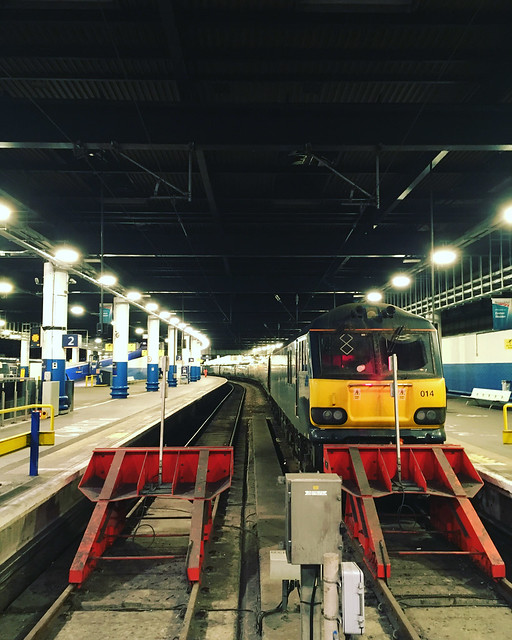
Aig 10:30. chaidh sinn a ghairm air bòrd na trèana-caidil agus aig 11:40, bha sinn air an t-slighe air ais a Ghlaschu. An turas seo, chaidil mi gu math.
An Cadalaiche – a’ bòrdadh ann an Euston
And here’s two I made earlier –
13. Fenchurch Street – FST (1841), le London and Blackwall Railwayan uair sin le London Midland and Scottish bho 1922
Nis, chì sibh nach eil ach 12 stèiseanan an seo – mar thoradh air na trioblaidean le obair innleadaireachd agus duilgheadasan siognalaidh, rinn mi dà de na stèiseanan air an dà latha roimhe. Bha mi ann am Fenchurch Street air a’ chiad latha agam ann an Lunnainn is mi a’ tilleadh bho Southend-on-Sea. B’ e am plana agam a dhol eadar Liverpool street agus Fenchurch Street, taobh Barking ach leis gun robh Liverpool Street dùinte, cha ghabhadh e dèanamh.
Cha robh mi riamh ann am Fenchurch Street roimhe agus bha mi riamh airson a dhol ann, ach feumar a ràdh nach eil an stèisean ro mhath. Tha e a’ coimhead fìor mhath bhon taobh a-muigh ach air an taobh a-staigh, tha e gu math beag agus chan eil mòran ann. Tha e gu math dorcha cuideachd.
13. Victoria – VIC (1860), le London and Blackwall Railway uair sin leis an Southern Railway bho 1922
Bha mi ann an Waterloo airson mo thuras Routemaster is mar sin, nuair a thill mi dhan stèisean, shaoil mi gun tòisichinn mo thuras gu gach terminus tràth. Cha deach ro mhath dhomh. Is e an dòigh as fhasa eadar Bhatairliù agus Bhictoria a bhith a’ dol gu Clapham Junction agus an uair sin air adhart gu Bhictoria. Nuair a ràining mi Clapham Junction, ge-tà, bha na seirbheisean uile gu Waterloo. Mar sin, ghlac mi an trèana air ais gu Vaxhall agus an Underground gu Victoria.
‘S e stèisesan mòr eile a th’ ann an Bhictoria, le gu leòr goireasan agus bùithtean, agus is ann às a sin a tha na trèanaichean gu Port-adhair Gatwick a’ falbh.
Abair turas! Chunnaic mi tòrr de Lunnainn a bharrachd air na trèanaichean is stèiseanan uile.
Dh’fhaighinich caraid ro làimh de chosgadh splaoid nan termini. Thug mi sùil air a’ chunntas Oyster agam agus uile gu lèir, chosg e ….. £11.10. Cha robh sin dona airson 14 tursan trèana agus 3 tursan bus!
The Aire air Sunnd Digital Fèis was a celebration of community heritage spread over two days in September 2022, held at the old Carinish School, now headquarters for Comann Eachdraidh Uibhist a Tuath, the North Uist Historical Society. Digital activities involved digitising artefacts from the community, recording stories, listening to Gaelic voices, and exploring heritage places through virtual reality. A cèilidh was also held with music and drama from young people of North Uist.
The fèis was held as part of the Ideas Fund “Aire air Sunnd” project, in which the Universities of Aberdeen, St Andrews, and the Highlands and Islands team up with Island Voices to provide research support for well-being initiatives on the island. The recordings in the video below were made by the St Andrews digitisation team, and can be viewed as separate items alongside several clips in English on the CEUT site.
This selection of Gaelic videos has been brought together in a single clip on the Island Voices YouTube channel to enable optional auto-translatable subtitling. This means that even if you have little or no Gaelic you can still listen to the original spoken descriptions while reading the subtitles – whether in Gaelic, or English, or another language – at the same time.
Another alternative for conscious learners of Gaelic who don’t want to use subtitles is to try this Clilstore unit, where video and scrollable transcript are available on the same page, with one-click access to dictionary translation of individual words: http://multidict.net/cs/11235 or https://clilstore.eu/cs/11235.