Le lasairdhubh
Tha iad air ruigsinn!!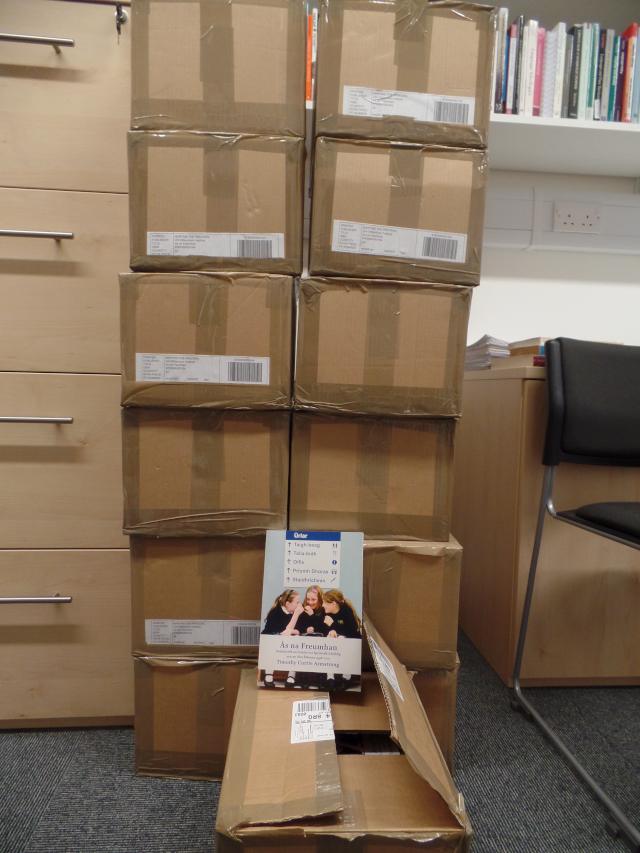
Tadhail air Air Cuan Dubh Drilseach
Powered by WPeMatico
Trusaiche blogaichean

Chunnaic sinn tòrr mòr adhartais le lìonra rèile na h-Alba sna 2010an ach dè thachras anns na 2020a?
Seo beachd no dhà bhuam.
Loidhnichean ùra
Thèid an loidhne gu Inbhir Lìobhann, a dhùin ann an 1969, ath-fhosgladh agus thèid tramaichean Dhùn Èideann a lughdachadh gu Lìte is Newhaven mar as còir. Chaidh seo uile aontachadh mar-thà.

Tha doirbh a bhith cinnteach de na loidhnichean eile a thèid fhosgladh/ath-fhosgladh ach tha tòrr iomairtean ath-fhosglaidh làidir ann agus tha mi cinnteach gun tèid tòrr rannsachaidhean-comais (feasibility studies) a dhèanamh air diofar loidhnichean.
Tha mi gu bhith a’ sgrìobhadh post eile mu bhith ag ath-thionndadh gearraidhean Beeching ann an ùine nach bi fada ach seo mo bheachdan air na pròiseactan a thèid air adhart:
Còrd Amain (the Almond Chord) – loidhne goirid (c1.5m) faisg air Dùn Èideann. Chruthaicheadh seo ceangal dìreach eadar Glaschu is Port-adhair Dhùn Èideann (tro stèisean Slighe Dhùn Èideann). Bhiodh e a’ ciallachadh gum biodh slighe a-steach a Dhùn Èideann ann a tha a’ seachnadh Tunail Winchburgh a tha dùinte ro thric mar thoradh air trioblaidean siognalaidh agus tuiltean.

Tha Còrd Amain ann an dearg
Almhaigh-Dùn Phàrlain (no pàirt dheth). Chaidh loidhne Sruighlea-Almhaigh-Ceann Chàrdainn-Dùn Phàrlain ath-fhosgladh ann an 2008 – do luchd-siubhail eadar Sruighlea is Almhaigh agus do thrèanaichean bathair air t-slighe air fad. Chaidh an loidhne ath-fhosgladh gus nach biodh aig trèanaichean guail do stèisean cumhachd Lann na h-Annaid (Longannet) ri dhol thairis air Drochaid an Fhoirthe tuilleadh. Gu mì-fhortanach dhan loidhne – ach gu fortanach dhan àrainneachd – chaidh Stèisean Cumhachd Lann na h-Annaid a dhùnadh ann an 2016 agus mar sin, chan eilear a’ cleachdadh na loidhne eadar Almhaigh agus Dùn Phàrlain gu cunbhalach a-nis. Tha planaichean ann aig ìre gu math adhartach gus factaraidh a thogail air làrach an stèisein chumhachd a bhios a’ togail thrèanaichean ùra. Tha an riaghaltas a-nis a’ beachdachadh air seirbheisean luchd-siubhail a leudachadh, agus an loidhne a dhealanachadh gu faisg air an fhactaraidh ùr. Nan tachradh sin, dh’fhaodadh stèiseanan ùra bhith ann an Clach Mhanainn agus ann an Ceann Chàrdainn.

Deltic ann an Sruighlea leis a’ chiad trèana à Almhaighm 2008
A bharrachd air seo, tha iomairt ann cuideachd gus an loidhne fhosgladh fad na slighe gu Dùn Phàrlain. Lìonadh seo beàrn chudromach anns an lìonra nàiseanta – eadar Glaschu/an costa an Iar agus Fìobh. Aig an àm seo, tha e a cheart cho furasta a dhol dhan Ghealaich air an trèana ’s a tha e a dhol dhan Rìoghachd bho Ghlaschu.
Seo dà phròiseact eile a dh’fhaodadh a dhol air adhart – chan eil mi buileach cinnteach gun tachair iad ach chanainn gu bheil teansa 50/50 aca.
Ceangail rèile gu port-adhair Ghlaschu. Tha an saga seo air a bhith a’ dol fad cha mhòr 15 bliadhna ach tha mi a-nis meadhanach dòchasach gun tachair e mu dheireadh thall. Leugh am post-bloga a sgrìobh mi mu dheidhinn bho chionn goirid.
Leudachadh air loidhne nan Crìochan. Tha loidhne nan Crìochan air a bhith uamhasach fhèin soirbheachail – tòrr nas soirbheachaile na bhathar an dùil. Ach tha tòrr sgìrean anns na crìochan a tha fhathast fada air falbh bhon lìonra rèile agus chanainn gu bheil teansa ann gun tèid an loidhne ath fhosgladh gu Maol Ros, Cille Bhoiseil agus Hawick. Tha Hawick air a bhith a’ fulang gu dona mar thoradh air crìonadh san eaconomaidh agus tha droch cheanglaichean còmhdhail aige. Tha an còrr den rathad-iarainn air a bhith cho fìor shoirbheachail is gu bheil mi a’ smaoineachadh gu bheil deagh argamaid ann air a shon – ged a bhiodh e cosgail. Bidh feum air obair mhòr air an loidhne co-dhiù – thog an riaghaltas e le speac gu math ìosal le tòrr trac singilte agus gun lùban seachnaidh gu leòr agus mar sin, tha trioblaid air a bhith ann le cunbhalachd is astar nan trèanaichean agus chan eil rùm ann gus barrachd thrèanaichean a ruith. Dh’fhaodadh an riaghaltas an dà phròiseact a chur ri chèile mar aon phròiseact mòr gus an loidhne a leasachadh aig tuath agus a leudachadh gu deas aig an aon àm.
Bu toil leam gum rachadh an loidhne ath-fhosgladh fad na slighe gu Carlisle cuideachd ach ’s e pròiseact mòr is air leth cosgail a tha a’ gabhail a-steach dà dhiofar riaghaltas agus mar sin, ma thachras seo idir, chanainn nach tachradh e gu co-dhiù nan 2030s.
Stèiseanan ùra
Tha aonta ann mar-thà gun tèid trì stèiseanan ùra fhosgladh.
Dealanachadh
Tha Riaghaltas na h-Alba air targaid a shuidheachadh gus rathaidean-iarainn Albannach a dhì-charbonachadh ro 2035 tro dhealanachadh, trèanaichean bataraidh-dealanach agus trèanaichean haidridean.
Chanainn gun tòisich obair gus an còrr de na loidhnichean suburbach ann am mòr-sgìre Ghlaschu a dhealanachadh sna 2020an. Chan eil ach trì loidhnichean air fhàgail nach eil dealanach fhathast– Loidhne Chnoc Màiri (Glaschu- Cnoc Màiri – Fearann Anna) – 6m, Glaschu – Cille Bhrìghde an Ear – 11m, agus Glaschu gu Barrhead – 7m (agus is dòcha air adhart gu Cill Mheàrnaig – 16m a bharrachd). Agus mur a tachair seo, tha a h-uile coltas ann gun tèid trèanaichean bataraidh-dealanach a chleachdadh airson nan slighean sin.
Le uèirean suas ann am mòr-sgìre Ghlaschu agus na loidhnichean uile eadar Glaschu is Dùn Èideann, bhithinn an dùil gun rachadh cearcall Fìobha a dhealanachadh. Tha mu 75% de na tursan trèana ann an Alba air trèanaichean dealanach mar-thà agus nan rachadh na loidhnichean seo uile a dhealanachadh, chanainn gun rachadh am figear sin am meud gu mòr.
Tha an riaghaltas air a bhith a’ coimhead air trèanaichean bataraidh-dealanach airson slighean far nach biodh iarrtas gu leòr ann airson dealanachadh àbhaisteach. Seo trèana dealanach air deuchainn ann an Rathad-iarainn Bo’ness is Cheann an Fhàil an-uiridh.

Clas 230 ‘D-train’ – trèanaidh bataraidh dealanach, Stèisean Manuel, Rathad-iarainn Bo’ness is Cheann Fhàil
Bhiodh trèanaichean haidridean freagarrach airson loidhnichean fada anns nach eil iarrtas gu leòr airson dealanachadh leithid loidhnichean na Gàidhealtachd agus loidhne an t-Sròn Reamhar.
Bhithinn an dòchas gum biodh an riaghaltas co-dhiù a’ beachdachadh air Glaschu/Dùn Èideann-Dùn Deagh is Obar Dheathain a dhealanachadh cuideachd ach ’s e pròiseact mòr a bhiodh ann an seo agus dh’fhaodte gur e trèanaichean haidridean a thèid a chleachdadh ma thig an teicneòlas air adhart sna beagan bhliadhnaichean a tha romhainn.
Trèanaichean ùra
Fhuair ScotRail tòrr mòr trèanaichean ùra sna 2010an agus mar sin, chan eil mi an dùil gum faic sinn an uiread de thrèanaichean ùra airson greiseag fhathast. Ma thèid barrachd loidhnichean a dhealanachadh ge-tà, dh’fhaodte gum faic sinn trèanaichean dealanach ùra ro 2030.
Tha mi an dùil ge-tà, gum faic sinn trèanaichean bataraidh-dealanach ùra agus gus dòcha gum faic sinn trèanaichean haidridean cuideachd.
Chan eil mi an dùil gum faic sinn trèanaichean dìosail ùra. Aig a’ chàr as ìsle, bidh hybrids ann ach chanainn nach bi e fada gus nach bi trèanaichean dìosail idir againn air an lìonra nàiseanta. Ruith na trèanaichean smùid mu dheireadh air an lìonra nàiseanta ann an Alba ann an 1967 (1968 ann an Sasainn). Chan eil mi a’ smaoineachadh gun cuir sinn cùl ris na dìosailean ann an 2027 ach tha fìor dheagh sheans ann gum bi iad air falbh ro 2037.
Alasdair
Tadhail air Trèanaichean, tramaichean is tràilidhean
Powered by WPeMatico
Le Steaphan

Falaisg àbhaisteach mu dheich bliadhna roimhe
As t-Sultain, bheothaich teine ann an Cuimrigh-a-Deas Nuadh agus cha b’ urrainn do luchd-smàlaidh a chur às. As t-Samhain, chaidh staid éiginn éigheachd ann an Cuimrigh-a-Deas Nuaidh agus bhon àm sin sgaoil na teintean troimh gach stàit Astràilianach, a’ cur faisg air naoi millean heactair deug agus barrachd air dà-mhìle taigh ’s a sia ceud nan smàl. Chaidh naoi daoine deug a mharbhadh. Tha an sgìre loisgte cho mór ri Albainn, Èirinn, agus a’ Chuimrigh ri chéile.
Mì-àbhaisteach
Tha an saoghal air fad a-nis a’ coimhead air Astràilia agus, leis na teintean a bh’ anns An Amason agus na Stàitean Aonaichte an-uiridh, tha iad a’ faighneachd, “A bheil seo mi-àbhaisteach? Dé cho mì-àbhaisteach? An e Astràilia a’ chiad shamhailt air an apocaileaps?”
Ann an da-rìribh, tachraidh falaisgean ann an Astràilia gach bliadhna, ach mar as trice, cuiridh an luchd-smàlaidh fo smachd gu luath iad, mar sin dheth, cha tèid taigh na theine agus cha mharbhar duine sam bith. Ach uaireannan bidh na falaisgean fada nas miosa, agus tha na bliadhnaichean sin an-diugh mar phàirt dhen bhriathrachas Astràilianach. Ann an 1983, shìn Teintean “Di-Ciadain na Luaithre” eadar Adelaide agus Meall Bùirne. Ann an 2009, chaidh ceud duine agus trì fichead ’s a trì-deug a mharbhadh le Teintean “Di-Sathuirne Dhuibh” ann am Bhioctòiria. Ann an 1974, chaidh cóig-deug ás a’ cheud cuid dhen dùthaich na smàl – a’ fàgail nach eil teintean na bliadhna sa ach anns an t-seachdamh àite a thaobh meud eachdraidheil.
Tiormachd
Mar sin, ciamar a tha na falaisgean seo mì-àbhaisteach? Cò ris a tha iad coltach an coimeas ri Teintean Di-Ciadain na Luaithre agus Teintean Di-Sathuirne Dhuibh? Uill, anns a’ chiad àite, thachair an dà theine seo ás déidh bliadhnaichean tiormachd. Tha an tiormachd eadar 1979-1983 air ainmeachadh mar an tiormachd as miosa san fhicheadamh linn, agus ann an Tiormachd nam Mìle Bliadhna (2001-2009) bha bacaidhean-uisge anns gach baile mór Astràilianach. Chan eil teintean 1974 air bile an t-sluaigh fhathast air sgàth ‘s nach do thachair iad ann an sgìre far a bheil daoine a’ fuireach – ach nuair a bhios tiormachd ann, tha na sgìrean aitreabhach fada nas tiorma agus mar sin tha iad a’ toirt buaidh air daoine. Am-bliadhna, dh’éirich na teintean san sgìre as sluaghmhoire dhen dùthaich. Cuideachd, san sgìre dheasach sin, bidh na falaisgean as miosa a’ tachairt anns a’ Ghearran – thachair Teintean Di-Ciadain na Luaithre agus Teintean Di-Sathuirne Dhuibh mun àm sin – ach am-bliadhna thòisich ràith nan teintean cus na bu tràithe agus tha i a’ mairsinn tuilleadh is fada.
Cuiridh iomadh duine a’ choire air na daoine “uaine” airson teintean na bliadhna sa – their iad gun do chuir luchd-àrainneachd stad air falaisgeadh rianail – ’s e sin nuair a thogas luchd-smàlaidh teintean anns na mìosan as fhionnaire, nuair as urrainn dhaibh na lasairean a chumail fo smachd, gus preaslach lasanta a ghlanadh às a’ bhuis. Is cinnteach nach do rinneadh gach falaisgeadh ‘s a bha sgìrean an dùil an-uiridh, ach an e luchd-àrainneachd as coireach dha sin? Chan è, ’s e an tiormachd as adhbhar dha – cha d’ rinn an luchd-smàlaidh uiread de losgadh rianail air sgàth ’s nach robh iad cinnteach gum b’ urrainn dhaibh an teine a chumail fo smachd leis cho tioram ’s a bha an talamh.
Smùid
Tha na falaisgean seo a’ toirt buaidh mhór air daoine air sgàth ‘s gu bheil iad a’ beothachadh ann an sgìrean sa bheil iomadh duine a’ fuireach. Ach cuideachd, tha iad a’ gabhail faisg air bailtean móra. Mar sin, tha daoine a’ faireachdainn buaidh neo-àbhaisteach. Fad mhìosan, bha smùid thiugh ann am Baile Mór Sidni agus bho àm na Bliadhn’ Ùir’ tha ceò tiugh air a bhith ann am Meall Bùirne agus sa Phrìomh-Bhaile cuideachd. Anns a’ chumantas, cha bhi na falaisgean ach mar smuain fad às do luchd nam bailtean móra – agus tha a’ chuid as motha de mhuinntir Astràilia a’ fuireach anns na bailtean móra, agus dà-fhichead ás a’ cheud ann am Baile Mór Sidni agus Meall Bùirne a-mhàin – ach am-bliadhna tha na teintean a’ tighinn gu math nas teinne orra.
Beathaichean
A-réir nan eòlaichean, thug na teintean buaidh air còrr is billean beathach.Tha feadhainn ann don urrainn teicheadh – cangaruthan, eòin, agus an leithid – ach tha na h-eòlaichean a’ gabhail cùram mu na gnèithean beaga – dearcan, pocanaich bheaga, agus an leithid – agus do na beathaichean slaodach. Anns na stàitean-an-ear, bha coàlaichean fhathast ann an cunnart, ach a-nis chaidh a’ mhòr-chuid dhiubh a mharbhadh agus an àite-còmhnaidh a mhilleadh. Tha eagal ann ro na linntean ri teachd airson nam beathaichean ud – fiù ’s ged a thàr iad ás, cha bhi dachaigh neo biadh aca am-bliadhna.
Bha coàlaichean fhathast ann an cunnart sna stàitean-an-ear, ach cha robh iad ann an cunnart ann an Astràilia-a-Deas. Bha tuineachas mór dhiubh ann an Eilean Cangurù, agus ‘s e seo an t-aon tuineachas choàlaichean san t-saoghal air nach eil chlamydia. Gu mì-fhòrtanach chaidh leth-chuid dhen eilean a losgadh, a’ toirt na pàirce nàiseanta leis far an robh a’ mhór-chuid dhe na coàlaichean a’ fuireach, agus mar sin chaidh cóig mìle coàla ’s a fichead a mharbhadh ann an Eilean Cangurù am-bliadhna. Tha aca ri cungaidhean fhaighinn air an eilean fhéin. Cuideachd, bha seòrsa de sheillean-meala àraidh anns an eilean, ach chaidh dà fhichead ás a’ cheud dhiubh a mharbhadh leis na teintean. Mar a tha a’ chùis, tha eagal air na h-eòlaichean nach bi biadh gu leòr ann dhaibh anns an eilean, agus gum bàsaich an t-iarmad dhiubh am-bliadhna.
Luchd-poilitigs
Is iomadh Astràilianach a tha am beachd nach eil luchd-poilitigs a’ dèanamh saothair gu leòr. Tha iad crosda nach eil poileasaidh shoilleir ann mu atharrachadh na gnàth-shìde, agus gu bheil Astràilia fhathast a’ tochladh agus a’ reic guail. San Dùbhlachd nuair a chaidh staid éiginn a ghairm ann an Cuimrigh-a-Deas Nuadh, chaidh am Prìomh-Mhinistear cuairt gu Hawaii, gun ghuth a ràdh ris an t-sluagh agus gun “Phrìomh-Mhinistear an gnìomh” na àite. Fad dà mhìos cha bu mhiann leis cobhair fheadarail a thoirt do na stàitean gus sabaid an aghaidh nan teintean.
San Fhaoilteach dh’atharraich sin, thòisich an t-arm air cobhair a thoirt don luchd-smàlaidh agus chaidh poileasaidhean a chur an gnìomh gus am pàigheadh. Ach an ann “ro bheag, ro fhadalach” a bha seo? Chì sinn san àm ri teachd.
Le Raghnaid Anna NicGaraidh
Powered by WPeMatico
Le Gordon Wells

Island Voices were heard in Shillong, India, (the “Scotland of the East”) in October last year as part of the 2019 Year of Indigenous Languages celebrations at North-Eastern Hill University, where they held an “International Language Fest for Indigenous and Endangered Languages”. It was a two-day event with lectures and presentations at the university first, followed by a celebration of linguistic and cultural diversity in the town, with food and clothing stalls and exhibitions, and music and dance performances in many different genres and languages.
Gordon Wells took his camera with him for the Soillse Gaelic research network, and recorded some highlights for the wider “Mediating Multilingualism” project which is being led by the UHI Languages Sciences Institute, funded by the Global Challenges Research Fund. The resulting film, which references Island Voices in several places, has already been uploaded onto the LSI and Soillse websites, and can now also be viewed here. The film, presented in Gaelic and subtitled in English, is in fact multilingual, with the number of languages included well into double figures.
It starts with a two-minute introduction, giving some background and posing some questions as much for Gaelic interests as any other. Then comes the main film, “Dà Dhùthaich, Iomadh Cànan – दो देश, भाषाएं अनेक – Two Lands, Many Languages”, which is under 12 minutes long. This is followed by a brief 6-minute discussion, and a final very short postscript.
Here’s the film.
And here’s a PDF of Gordon’s presentation, in which he outlined the Island Voices project and some of its technical features (including Clilstore), and explored the potential for “sharing Gaelic voices” with other endangered or minority language interests. New techologies can greatly simplify the recording and film-making process, so enabling wider engagement with and by often marginalised communities.

Tadhail air Island Voices – Guthan nan Eilean
Powered by WPeMatico
Tha deichead ùr air tòiseachadh agus tha seo a’ toirt dhomh deagh leisgeul sùil a thoirt air ais air na thachair sna rathaidean-iarainn ann an Alba sna 2010an.
Fosglaidhean
Ann an 2010, chaidh an loidhne eadar Bathgate agus an Àrd Ruigh ath-fhosgladh. Chaidh 13 mìle ùr de thrac a chur sìos uile gu lèir. Sgur seirbheisean do luchd-siubhail eadar an dà bhaile anns na 1950an agus chaidh an trac a thoirt air falbh ann an 1982. Chaidh ath-fhosgladh mar loidhne dhealanach dhùbailte.

Làrach Stèisean Caldercruix, 2008, goirid mus do thoisich obair gus a ath-thogail
Ann an 2015, chaidh Loidhne nan Crìochan ath-fhosgladh eadar Dùn Èideann agus Bruach Thuaidh beagan a deas air Galasheils. Sin còrr is 30 mìle de thrac ùr. Bha an loidhne seo air dùnadh ann an 1969 agus dh’fhàg e na crìochan air fad gun stèisean rèile sam bith. Tha an iomairt a leantainn gus an rathad-iarainn a leudachadh gu Maol Ros, Hawick is Carlisle.

Mo theaghlach a’ dèanamh air trèana do na Crìochan airson a’ chiad turais 2015
Dh’ainmich Riaghaltas na h-Alba ann an 2019 gun rachadh Rathad-iarainn Inbhir Lìobhann ath-fhosgladh eadar Ceann-rèile Thornton agus Inbhir Lìobhann. Thathar ag amas air an loidhne seo, a tha 5 mìle a dh’fhaide, fhosgladh ann an 2024.
Agus bha adhartas ann le rèile aotrom cuideachd le tramaichean Dhùn Èideann a’ tòiseachadh – mu dheireadh thall – ann an 2014 eadar Port-adhair Dhùn Èideann agus Plàs York. Shoirbhich gu mòr leis na tramaichean agus chaidh aontachadh an siostam a leudachadh gu Lìte is Newhaven ann an 2019.
Stèiseanan ùra
A bharrachd air na loidhnichean ùra agus na stèiseanan ùra orra, chaidh stèiseanan fhosgladh no ath-fhosgladh air grunn loidhnichean a bha fosgailte mar-thà. B’ iad:
Dealanachadh
Is dòcha gur e an t-atharrachadh as motha a bh’ ann sna 2020an gun deach tòrr de na rathaidean-iarainn a dhealanachadh (electrified).

Comar nan Allt mus deach an loidhne a dhealanachadh
Sna 2010an, chaidh na loidhichean a leanas a dhealanachadh:
A-nis, tha 25% den lìonra rèile air a dhealanchadh agus tha Coimisean Bunstructar na h-Alba a’ meas gu bheil 75% de na tursan rèile ann an Alba a-nis air trèanaichean dealanach.
Bha na 2010an gu math soirbheachail airson rathaidean-iarainn ann an Alba agus chaidh àireamh nan tursan rèile le luchd-siubhail suas 3!% eadar 2010 agus 2019.
Anns an ath phost, bheir mi sùil air adhart ris na 2020an.
Alasdair
Tadhail air Trèanaichean, tramaichean is tràilidhean
Powered by WPeMatico
Bliadhna Mhath Ùr, everyone! (Better late than never…)
This month I’ve compiled lists of words collected so far which are connected to food and drink, and to the body and ailments. (No cause and effect relation intended!) Any more on these topics gratefully received, along with anything else domestic – the home, house, garden, clothing etc.
Mòran taing to all informants as usual.
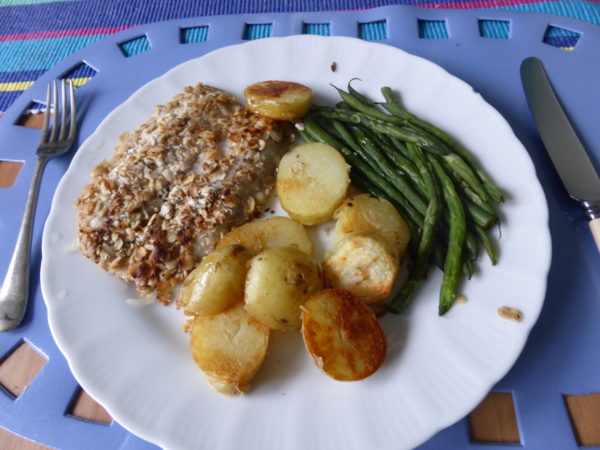
Food, drink
Strupag – a cup of tea and usually a scone or
something with it (srùbag, sdroo–bag)
Marag – pudding , but only black or while pudding,
not a dessert
Snatach, snàdag – a drink at New Year or in
celebration. let’s have a wee snàdag
(snàthdag, snaa-tag – a nip)
Myshaks, meissachs, màishacks – sweets, cakes, fancy
foods, wee treats (prob. from maiseach, my-shack – lovely)
Too keen on the màiseachs – too fat
Sleeshuck – fried slice of mashed tatie (sliseag, slee-shack
– a slice)
Spartag – a ball of mashed tatie
Sgadan is buntàt’ – herring and taties
Smoosheen – eating sth juicy. Smoosheen away at
sth (smùiseach, smoo-shach
– juice, smuisich, smoo-sheech – suck juice from)
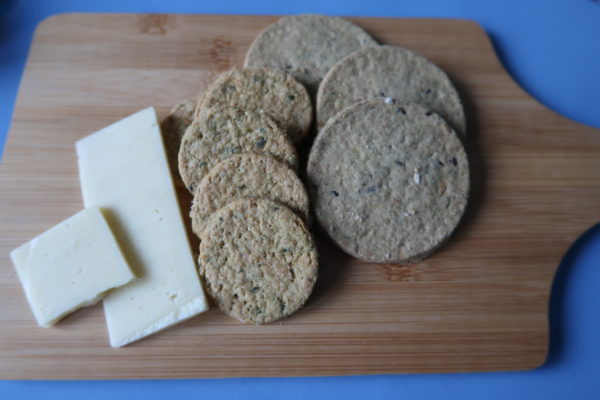
Aran kork – oatcake
(aran coirce, literally bread of oats)
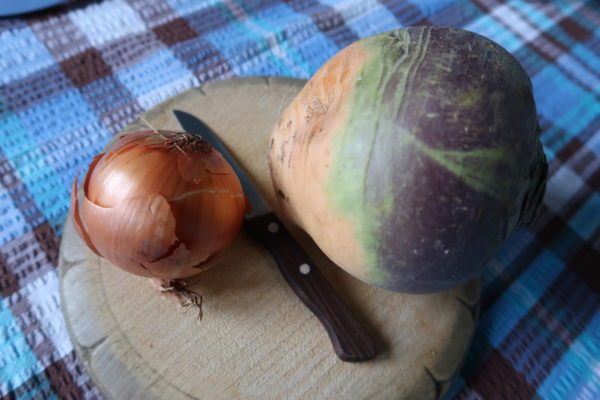
Snehp – turnip (sneap, snape) – related to neep.
Grekatan – tiny little anything esp. taties, fish, person (poss. from grìog -tiny particle; grìogag – bead, pebble)
Eenyan – onion (sometimes Scots ingan, as in Ingan Johnnie – a Breton onion-seller who came round annually on his bike selling strings of onions, in my childhood; Gaelic uinnean – ooy-nyan) More about Ingan Johnnies here: http://lookingforjohnnyonions.blogspot.com/2011/08/monsieur-quemeners-onions.html
Body, ailments
Toochan – a dry cough. I’ve got the toochan, a touch
of the toochan. (tùchan – hoarseness)
Foo-shun, I’ve no foo-shun, energy. (poss. from old
Gaelic fuis, foosh – active, thrifty)
Fyown – feeble, lacking in energy (we’ve met this one
before, prob. from fann, fown – weak, or feann, fyown –
diminishing, weakening)
Aikin – It’s no but an aikin – trouble, problem.
(èiginn, eh-keen, distress, emergency)
Aikinack – aching, in distress. I’m no but
aikinack. (èiginneach, eh-keen-yach
– in distress)
Nyah-lach – peely-wally. Awful nyahlach-looking.
(neulach, nee-a-lach – cloudy, pale, ghostly)
Maynach – middling. Och, I’m no but maynach. (In
answer to How are you? Associated by myself and various others with elderly
ladies wanting a bit of sympathy!)
(meadhanach, mayanach – middling)
Troo-ow – ill, poorly. He’s pretty troo-ow. (truagh,
troo-ugh – wretched)
Cra-ow – describing someone with multiple ailments,
generally poorly. (poss. shortened from crannda, crown-ta –
frail, decrepit)
Shiatic – I’m bad with the shiatic – meaning
rheumatism, but clearly from sciatica, pronounced in a Gaelic way (siatag – shee-at-uk)
I’ve got jayruns / geeruns in my fingers – icy tingling (poss. from deigh, jay – ice)
Bucags in your hair – nits, lice (source of shame). (poss. from bùc, boochk – a bulge > bùcag – a little bulge; or from bògas – a bug)
scràb – scratch; if itchy you’d be scràb-ing. (sgrab –scratch)
Speilac – splinter
(spealg, spellac), which you might get in your
Creenie – wee finger – Scots, from Gaelic crìon – diminutive.
Tawin – backside (tòn – tawn).
Boug – belly (baghan – approx. buggan – pot belly)
Tadhail air seaboardgàidhlig
Powered by WPeMatico
Tadhail air Ghetto na Gàidhlig – Bella Caledonia
Powered by WPeMatico
Tha mi uamhasach fhèin toilichte gu bheil Seanadh Èireann a Tuath air fhosgladh as ùr mu dheireadh thall. Tha mi air mo dhòigh glan gu sònraichte gu bheil reachdas Gaeilge gu bhith ann mu dheireadh thall.
A bharrachd air taic dhan Ghaeilge, tha aon rud eile a bu toil leam fhaicinn gu mòr bhon t-Seanadh san ùine ghoirid – leasachadh air na rathaidean-iarainn.
Tha an lìonra rèile ann an Èirinn a Tuath gu math beag aig an àm seo agus chan eil seirbheisean idir ann gu cuid de na bailtean as motha agus as cudromaiche.

Seanadh Èireann a Tuath, Stormont
Tha fèin-riaghaladh ann an Alba, a’ Chuimrigh agus Èireann a Tuath air na rathaidean-iarainn a leasachadh gu mòr bho dh’fhosgail Pàrlamaid na h-Alba agus Seanaidhean na Cumirigh is Èireann a Tuath.
Ann an Alba agus sa Chuimrigh, chaidh tòrr loidhnichean ath-fhosgladh. Anns a’ Chuimrigh cuideachd, chaidh an dùthaich aonachadh fon aon fhranchise rèile airson a’ chiad turas riamh cuideachd, an àite a bhith air a roinn eadar dìofar franchises Sasannach. Agus ann an Èirinn a Tuath, aig toiseach nan 2000an, chaidh an lìonra rèile a shàbhaladh leis an t-Seanadh ùr.
Bha na rathaidean-iarainn uile aig NIR ann an cunnart dùnadh aig an àm. Cha deach mòran airgid a chosg air an lìonra fad uine mhòr agus aig deireadh an 20mh linn, bha na loidhnichean agus na trèanaichean uile feumach air ùrachadh dhan ìre is gun robh ceistean ann a thaobh sàbhailteachd.
Cho-dhùin an Seanadh ùr gum bu chòir an lìonra a chumail agus gun robh feum air trèanaichean ùra agus tòrr obair leasachaidh. Nam biodh Èirinn a Tuath fhathast air a ruith gu dìreach le Westminster, tha deagh sheansa ann nach biodh loidhne sam bith air mairsinn, ach a-mhàin an t-seirbheis eadar Béal Feirste agus Baile Átha Cliath is dòcha.
Seo an lìonra rèile ann an Èirinn a Tuath mar a tha e aig an àm seo.

Bho chaidh na rathaidean-iarainn a shàbhaladh is ùrachadh, tha àireamhan an luchd-cleachdaidh air àrdachadh gu mòr. Mus do thuit Riaghaltas Èireann a Tuath, bhathar a’ coimhead air planaichean leasachaidh a’ gabhail a-steach molaidhean gus loidhnichean ath-fhosgladh.
Bhathar a’ coimhead gu sònraichte air trì loidhnichean ath-fhosgladh. Sa chiad dol a-mach, tha Aontroim – Lios na gCearrbhach (Antrim-Lisburn). Tha an loidhne seo fhathast ann ach chan eilear ga cleachdadh aig an àm seo. Tha i a’ dol gu math faisg air Port-adhair Eadar-nàiseanta Bhéal Feirste agus bhiodh stèisean ùr an sin.
Tha dà loidhne eile ann le iomairtean làidir gus an ath-fhosgladh, ’s iad sin Port an Dúnáin (Portadown) gu Ard Mhacha (Armagh) agus Port an Dúnáin gu Dún Geanainn (Dungannon).
Nuair a thuit an Riaghaltas trì bliadhna air ais, chuir e dàil is bacadh air adhartas sam bith leis na rathaidean-iarainn ach leis an t-Seanadh a’ coinneachadh a-rithist, tha cothrom ann piseach a thoirt air cùisean ma bheir iad prìomhachas dhan chuspair.
Seo an lionra a dh’fhaodadh a bhith aig NIR an ceann 10 no 20 bliadhna eile ma bhios Seanadh Èireann a Tuath lèirsinneach agus uaine:

Agus tha mi an dùil is an dòchas gum bi na soidhnichean aig stèisean ùr sam bith dà-chànanach mar as còir!
Alasdair
Seo a’ Bheurla na h-ainmean-àite Gaeilge gu h-àrd:
| Aontroim | Antrim |
| Ard Mhacha | Armagh |
| Béal Feirste | Belfast |
| Beannchar | Bangor |
| Cúil Rathain | Coleraine |
| Dún Geannain | Dungannon |
| Doire | Derry |
| An tIúr | Newry |
| Latharna | Larne |
| Lios na gCearrbhach | Lisburn |
| Port an Dúnáin | Portadown |
| Port Rois | Portrush |
Tadhail air Trèanaichean, tramaichean is tràilidhean
Powered by WPeMatico
Le Gordon Wells
Maggie Smith has been quietly putting a series of fascinating poetry podcasts she’s made on her website over the past few months. With the recent addition of the fourth and final one, the series is now complete. The table below will give you quick links to this full series of poetic Lewis voices. Follow the “Blogpost” link to get to Maggie’s introduction, or go straight to the podcast via “Soundcloud”.
We’ve added it to our dedicated Magaidh Smith page too, where you can also find links to her collections of stories and dramas. Happy listening!
| Podcast | Links |
| 1. Domhnall Greumach, Tolstadh Bho Thuath, Eilean Leòdhais | Blogpost Soundcloud |
| 2. Criosaidh NicIomhair, Breascleit, Eilean Leòdhais | Blogpost Soundcloud |
| 3. Tormod MacLeoid Siadar a’ Chladaich, Eilean Leòdhais | Blogpost Soundcloud |
| 4. Uilleam MacMhathain, Na Fleasarain, An Rubha, Eilean Leòdhais | Blogpost Soundcloud |
Tadhail air Island Voices – Guthan nan Eilean
Powered by WPeMatico

