Sgeama “Ar Guthan”

Le Gordon Wells

The Gaelic Books Council has announced a support scheme for new authors, and wants to spread the word!

While the Island Voices emphasis is on spoken language, we’re more than happy to help get the message out about a project titled “Ar Guthan”, even if the voices here will be written ones, especially when island communities are listed among the under-represented groups from whom applications are particularly welcomed.

Alison Lang, Director of the Gaelic Books Council, talks about the scheme here:

You can read more about the scheme in Gaelic or English in this press release, which also gives details of how to apply.


Tadhail air Island Voices – Guthan nan Eilean

Powered by WPeMatico

Dr Sofia Evemalm-Graham, University of Glasgow

Le comanngaidhligghlaschu

Iona’s Namescape: the dynamics of place-names and place-lore

Bu chaomh leinn fàilte a chur oirbh gun ath choinneamh againn san t-sreath. Bidh an Dr Sofia Evemalm-Graham a’ tadhail oirnn air a’ mhìos seo agus bidh i a’ bruidhinn (ann am Beurla) air a’ cheann gu h-àrd. Chithear fios gu h-ìosal mun cheangal gun choinneamh air Zoom. Tha sinn an dòchas gun urrainn dhuibh a bhith an làthair.

Àm: 7.30f, Diardaoin 17ᵐʰ dhan Mhàrt
Àite: Coinneamh tro mheadhan Zoom. Facal-faire: ri thighinn ron choinneamh
Cànan: Beurla

We look forward very much to welcoming Dr Sofia Evemalm-Graham to the society this month and hearing about the new research on Iona place-names. This month’s talk will be in English. We hope you can join us on Zoom.

When: 7.30pm, Thursday 17th March
Where: Via Zoom meeting. Password: Will be posted before the event
Language: English

Tadhail air Comann Gàidhlig Ghlaschu

Powered by WPeMatico
Gaelic Word of the Week – Census #cleachdi #gàidlhig

Le Oifigear Gàidhlig

Each week we publish the text of our Gaelic Word of the Week podcast here with added facts, figures and photos for Gaelic learners who want to learn a little about the language and about the Scottish Parliament – Pàrlamaid na h-Alba. This week our word is Census – Cunntas sluaigh. You may recently have received … Leugh an corr de Gaelic Word of the Week – Census #cleachdi #gàidlhig

Tadhail air Blog Pàrlamaid na h-Alba

Powered by WPeMatico
Gaelic is not dying.

Le lasairdhubh

Gaelic is not dying. Commentators have been predicting Gaelic’s death for some time, but Gaelic is nowhere near going out of use as a spoken language in Scotland. Gaelic will be spoken by learners, new speakers, and native speakers alike long after everyone reading this post is dead and buried. Gaelic communities are, however, rapidly changing, and that change is a cause for deep anguish for many. The political scientist William W. Bostock (1997) has called this sort of distress ‘language grief’, the collective despair that communities can feel when they perceive that their language is falling out of use.

As in any situation where a community is grieving, it can be natural to try to assign blame. We can see this happening in current debates about the future of Gaelic, with claims and counter claims that different groups are to blame for Gaelic’s ‘demise’: academics, Bòrd na Gàidhlig, the government, learners, native speakers, Gaelic-medium educators, and so on, but the truth is that no living group of Gaelic speakers or supporters is to blame. The current state of Gaelic speaking communities is the result of political, economic, and social forces acting over centuries. Assigning blame is understandable but thoroughly counterproductive if we want to build the kind of social movement that can actually help to increase Gaelic-language acquisition and use in Scotland.

No one disagrees about the numbers, but there is substantive disagreement about the best course of action. We now have reliable data from several research teams suggesting that the last traditional Gaelic communities in the Western Isles arrived at a kind of tipping point sometime in the late 1960s and 1970s when community-level transmission of the language to children born in those years started to break down. (cf. Smith-Christmas & Smakman 2009; Mac an Tàilleir et al. 2010; Ó Giollagáin et al. 2020)

While many families in these communities still raise their children in Gaelic and/or send their children to Gaelic-medium units, that ‘tipping-point’ generation is now in its 50s and 60s, and for generations below this age, the default community language is overwhelmingly English. Gaelic has not died, but it has changed from a community-transmitted language to a network language everywhere in Scotland now. That is the reality. The question is what to do about it.

There is no reason to believe that in the long-term Gaelic could not be revived as a community-transmitted language in many places in the Highlands and Islands, but this will require years of grassroots language activism in these areas, and anyone who argues that we can build the kind of sustained community-wide support required for such a huge effort in the short-term, or even in the medium-term, is very much underestimating the enormity of the task.

It is also important to recognize that rural communities today are fundamentally different from Gaelic communities fifty or a hundred years ago, and not just in terms of language use. In general, UK society is becoming ever more cosmopolitan, mobile, and atomized, and communities in the Highlands and Islands of Scotland are no exception. Discussions around the Scottish Gaelic revival often suffer from a great deal of romanticism about traditionally Gaelic-speaking communities, but the reality is that both the relative isolation and the intensely communal way of life that once sustained the language in the Northwest of Scotland are now long gone. We cannot go back in time, and in many respects, we wouldn’t want to.

Instead, the work now is to build on our successes over the last fifty years of Gaelic-revival activism and strengthen Gaelic networks throughout Scotland, anywhere Gaelic speakers can be found, from Edinburgh to Shawbost. Sleat in Skye can be seen as one model of what can be accomplished in terms of strengthening a dense rural network of Gaelic speakers. Gaelic in Sleat is not a community-transmitted language, yet, but it is also very much not dead, and there is no reason to believe that we could not replicate many elements this model throughout the Highlands and Islands.

We need to build a broad movement across Scotland to revive Gaelic, and to do that, we need to build solidarity between Gaelic speakers of all kinds, and neither finger pointing nor proclaiming Gaelic’s imminent demise will help us at all in this effort. Of course we have to be realistic about the state of Gaelic, but we also have lots of reasons to be optimistic.

People cannot be scared or shamed into saving a language. Rather, the future of Gaelic can only be built on a foundation of solidarity and optimism.

More on some of the concepts I used above:

Living language — What makes a ‘living’ language is a question of ideology, not demographics. There is no objective linguistic or sociological measure that we can use to say definitively that a language is living or dead. It really is just an opinion. Any language that is in some way still used and passed on could be considered ‘living’ depending on your criteria. The key factor is not speaker density, but language loyalty. If speakers are zealous about using their language and passing it on, that language community will persist and possibly even grow, but if speakers are shifting to using and passing on a new language, it doesn’t really matter how closely they live together; their language will sooner or later pass out of use.

Community-transmitted language — A language can said to be transmitted to the next generation by the whole community when (almost) everyone in a given place speaks a particular language, and that language is used as the common means of social interaction between all generations in most or all situations. Is such a case, children not only acquire the language from their parents and teachers, but also from extended family members, from neighbours, and also critically, after a certain age, from other children. For some, community language transmission is what makes a language ’really’ living, but as above, this is just an opinion rather than some linguistic fact. The best current data strongly suggests that it has been several generations since Gaelic was a fully community-transmitted language anywhere in Scotland.

Network language — A network language would be one that is spoken by a network of speakers spread out more or less densely in any given area and linked by a variety of sites of language use. In the case of Gaelic, such sites might include GME units and schools, Gaelic higher education, Gaelic-language workplaces, Gaelic-language church services, Gaelic events like the Mòdan and the Fèisean, Gaelic activist and special-interest groups, formal and informal Gaelic social centres (such as the proposed Cultarlann in Inverness or the Park Bar in Glasgow), and Gaelic-speaking homes. Gaelic’s future as a network language in Scotland is far from certain, but there is no reason to believe that Gaelic-speaker networks throughout the country couldn’t persist and even grow in the future.

Sources

Bostock, William W. (1997) “Language Grief: Its nature and function at community level.International Journal: Language, Society and Culture (2).

Mac an Tàilleir, Iain, Rothach, Gillian and Armstrong, Timothy C. (2010) Barail agus Comas Cànain.  Inverness: Bòrd na Gàidhlig.

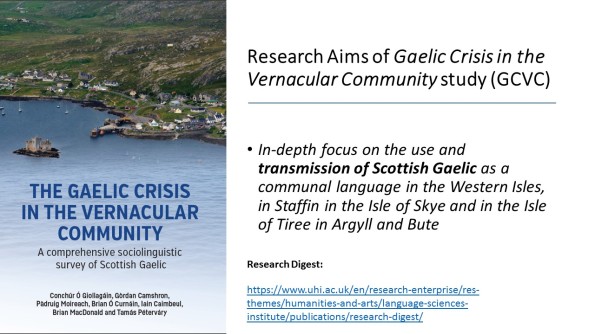
Ó Giollagáin, Conchúr, Gòrdan Camshron, Pàdruig Moireach, Brian Ó. Curnáin, Iain Caimbeul, Brian MacDonald, and Tamás Péterváry. (2020) The Gaelic crisis in the vernacular community: A comprehensive sociolinguistic survey of Scottish Gaelic. Aberdeen: Aberdeen University Press.

Smith-Christmas, Cassandra, and Dick Smakman. (2009) “Gaelic on the Isle of Skye: older speakers’ identity in a language-shift situation.” International Journal of the Sociology of Language (200): 27-47.


Tadhail air Air Cuan Dubh Drilseach

Powered by WPeMatico
Fios naidheachd: Taigh an Ròid ri Cathraiche ùr air Coimisean Chòraichean Daonna a chur ann an dreuchd

Le Oifigear Gàidhlig

08-03-2022 Thèid aonta a chur ri suidheachadh Ian Duddy mar Chathraiche ùr Coimisean Chòraichean Daonna na h-Alba leis Pàrlamaid na h-Alba an t-seachdain seo. Is e an obair a th’ aig Coimisean Chòraichean Daonna na h-Alba mothachadh, tuigse, agus meas farsaing air còraichean daonna a chur air adhart. Tha dùil gun tig Mgh. Duddy an … Leugh an corr de Fios naidheachd: Taigh an Ròid ri Cathraiche ùr air Coimisean Chòraichean Daonna a chur ann an dreuchd

Tadhail air Blog Pàrlamaid na h-Alba

Powered by WPeMatico
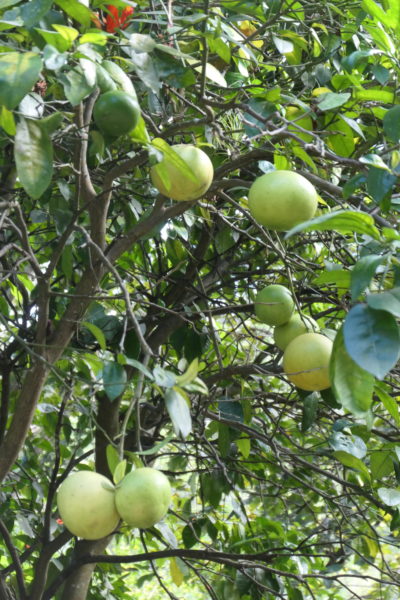
2022 am Màrt: Gealagan-làir / March: Snowdrops

Le seaboardgàidhlig

‘S ann anns a’ Ghearran a tha mi a’ sgrìobhadh seo, àm nan gealagan-làir.  Anns na mìosan dubha den gheamhraidh bidh sinn a’ fèitheamh air a’ chiad sealladh dhiubh,  is iadsan comharra an earraich ri teachd, geal mar an sneachd agus deàrrsach mar sholas na maidne. Anns a’ Ghàidhlig tha an t-ainm a’ ciallachadh “rud beag geal an talmhainn”, ach tha ainm eile ann cuideachd, blàth-sneachda –  “flùr den t-sneachd”. Uaireannan bidh iad a’ nochdadh tron t-sneachd fhèin, uaireannan am measg dhuilleagan donn seargte, ach an-còmhnaidh nan samhla di-beathte dòchais.

Mar sin is beag an t-iongnadh gun nochd a‘ ghealag-làir anns a‘ bheul-aithris mar lus sònraichte. Chì sinn aon deagh eisimpleir san uirsgeul Biara, Brìde is Aonghas. B’ e Banrigh a’ Gheamhraidh a bha ann am Biora Dhorcha, boireannach mòr, grannda, cruaidh, agus chùm i Brìde, bana-phrionnsa òg, àlainn, mar phrìosanach, ag obair na tràill. Aon latha thill Brìde air ais bhon allt reòthte far am b’ fheudar dhi clòimh bho chaora dhonn a nighe geal, saothair gun fheum, le bad ghealagan-làir na làimh, agus abair fearg a bha air Biara, is fios aice gum biodh an rìoghachadh aice a tighinn gu crìoch.  Dh’fheuch i a h-uile rud gus an geamhradh a chumail a’ dol, le stoirmean is gaillinn-sneachda air feadh na h-Alba, ach aig a cheann thall chaidh aig a’ Phrionnsa Aonghas nan Òg às an Eilean Uaine (seòrsa Tìr nan Òg) air Brìde a shàbhaladh, agus chaill Biara a cumhachd. Thàinig an t-earrach agus rìoghaich Aonghas is Brìde mar Rìgh is Banrigh an t-Samhraidh – gus an tilleadh cumhachd Biara sa gheamhradh a-rithist.

Tha gealag-làir shònraichte a’ nochdadh ann an sgeulachd eile. Anns an fhiolm ghoirid tarraingeach Foighidinn – the Crimson Snowdrop le Simon David Miller (2005), tha duine òg uasal air an leannan aige a phuinnseanachadh le tuiteamas, agus feumaidh e an aon chungaidh-leigheis san t-saoghal a sireadh – gealag-làir chrò-dhearg, flùr dearg a‘ chridhe, a dh’fhàsadh air mullach nam beann as àirde ach a chaidh bàs o chionn linntean. Ach cumaidh e a‘ dol, fad seachd bliadhna, gun an ruig e an Cuiltheann san Eilean Sgitheanach…. ma bhios sibh ag iarraidh faighinn a-mach dè thachair an uair sin, seo an fhiolm (14 mionaidean): https://vimeo.com/7855573.

Às dèidh dha a bhith soirbheachail le Foighidinn, rinn Miller fiolm fada mar leasachadh den sgeulachd, Seachd – the Inaccessible Pinnacle ann an 2007 – fiolm uabhasach math cuideachd.

Tha gealagan-làir gu math cumanta ann am Breatainn, ged a tha iad nas sgaoilte air feadh a‘ Ghàidhealtachd ’s nan Eileanan, ach chan e lus dùthchail a tha innte. Tha e coltach gun tàinig iad às a‘ mhòr-thìr Eòrpach mar fhlùraichean sgeadachail san t-siathamh linn deug ach cha deach an clàradh mar lusan fiadhaich ach aig deireadh an ochdaimh linn deug. Tha seòrsaichean gu math eadar-dhealaichte ann san eadar-àm, bhon fheadhainn simplidh as fheàrr leamsa, gu cuid eile le coltas dreasaichean dannsairean-ballet. Tha daoine ann air a bheil Galantophiles a tha gu sònraichte measail agus eòlach air gealagan-làir is iad a’ feuchainn an uiread ‘s a ghabhas de sheòrsaichean a lorg ‘s a chlàradh.

Bha mi dìreach aig Caisteal Dùn Robain gus na gealagan-làir ainmeil aca fhaicinn, agus leugh mi air sanas gun do thog an t-àrd-gàirnealair an sin, David Melville, seòrsa ùr de ghalag-làir ann an 1879, Galanthus Melvillei, agus bidh na Galantophiles a’ feuchainn ri eiimpleirean dhi a lorg sna coilltean, agus a’ tadhail air an uaigh aig Melville sa chladh ann an Goillspidh, far a bheil diofair seòrsaichean de ghealag-làir a’ fàs.

Tha na gealagan-làir measail air coilltean agus pàircean, agus gu h-àraidh air cladhan – bidh mòran rim faicinn ann an cladhan na sgìre againne. Agus an robh sibh riamh aig Poyntzfield san Eilean Dubh sa Ghearran? ‘S e sin an làrach as fheàrr leam fhìn air an son. Tha an dà thaobh den cheum suas dhan ghàrradh-lusan loma-làn de ghealagan-làir is winter aconites buidhe. Thèid mi ann gach bliadhna a dh’aona-ghnothach.

Agus chan ann bòidheach a-mhàin a tha gealagan-làir – nì iad feum cuideachd, cuide ri conaisg, dha na seilleanan tràtha, gus an stòr poilein is meala den t-seann bhliadhna a mheudachadh.  Lusan àlainn, feumail is làn dòchais – cò dh’iarradh a bharrachd!

+++++++++++++++++++++++++

I’m writing this in February, snowdrop season. In the dark months of winter we wait for the first sight of them, a sign of the spring to come, white as the snow and shining like the morning light. In Gaelic their usual name means “wee white thing of the ground” but they have another name too, blàth-sneachda – “blossom of the snow”. Sometimes they emerge from the snow itself, sometimes against withered brown leaves, but always a welcome sign of hope.

It’s therefore small wonder that the snowdrop appears in oral tradition and legends as a special plant. One good example is in the old tale of Biara, Angus and Bride. Biara the Dark was the Queen of Winter, a big, ugly, cruel woman, and she kept Bride, a beautiful young princess, a prisoner, working her like a slave. One day Bride returned from the frozen stream where she had to wash a brown sheep’s fleece white – a senseless task – with a bunch of snowdrops in her hand. What a rage Biara was in, knowing that her reign was coming to an end. She tried everything to keep the winter going, with storms and blizzards across Scotland, but in the end Prince Angus the Ever-young, from the Green Isle (a kind of Land of Youth), managed to rescue Bride, and Biara lost her power. The spring came and Angus and Bride ruled as King and Queen of the Summer – until Biara’s power gradually returned again in winter.

A very special snowdrop features in another story. In the gripping short film Foighidinn – the Crimson Snowdrop by Simon Miller (2005), a young nobleman has accidentally poisoned his sweetheart, and has to search for the only cure in the world – the crimson snowdrop, red flower of the heart, which grew on the highest mountain peaks but which had died out centuries ago. But he keeps going, seven years long, until he reaches the Cuillins on the Isle of Skye…. And if you want to find out what happens, you can watch the film here: https://vimeo.com/7855573.

After the success of the short film, Miller made a full-length one as a development of the story in 2007 – Seachd – the Inaccessible Pinnacle. Also a wonderful film

Snowdrops are fairly common in Britain, though more scattered in the Highlands and Islands, but they’re not actually a native plant. It’s likely that they came from the European mainland as an ornamental plant in the 16th century but they were not recorded in the wild until the end of the 18th century. There are many different varieties in the meantime, from the simple ones I prefer to the ones that look like ballet-dancers’ tutus.  There are people called Galantaphiles who are particularly fond of and knowledgeable about snowdrops, and who tray to find and record as many varieties as possible.

I’ve just come back from a visit to Dunrobin Castle to see their famous snowdrops, and I read on a notice that a head-gardener there, David Melville, raised a new variety in 1879, Galanthus Melvillei, and the Galantophiles go looking for it in the castle woods, and visit Melville’s grave in Golspie, which is surrounded by many varieties of snowdrop.

Dunrobin

Snowdrops are fond of woods and parks, but especially of graveyards – you can see masses in our own local graveyards. And have you ever been to Poyntzfield on the Black Isle in February? That’s my favourite site for them. Both sides of the path up to the herb-garden are lined with carpets of snowdrops and yellow winter aconites. I go there every year specially.

But they’re not just a pretty face – they’re of use, alongside the whins, to the early bees too, supplementing their diminishing store of pollen and honey from the old year. These snowdrops are beautiful, useful, and full of hope – what more could anyone ask for!

Taing do / Thanks to Anne MacInnes (Logie Wester images) agus Allan Bremner (Oldmeldrum).


Tadhail air seaboardgàidhlig

Powered by WPeMatico
Fios naidheachd: Comataidh aig Taigh an Ròid a’ gairm rannsachadh air Frèam-obrach Coileanaidh Nàiseanta Riaghaltas na h-Alba

Le Oifigear Gàidhlig

01-03-2022 Tha Frèam-obrach Coileanaidh Nàiseanta Riaghaltas na h-Alba gu bhith na chuspair air rannsachadh ùr – Bho Àrd-mhiann gu Gnìomh – le Comataidh an Ionmhais agus Rianachd Phoblaich aig Taigh an Ròid. Air a thoirt a-steach an toiseach ann an 2007, tha am frèam-obrach a’ mìneachadh rùintean an riaghaltais airson a’ chomainn-shòisealta agus ‘dè seòrsa … Leugh an corr de Fios naidheachd: Comataidh aig Taigh an Ròid a’ gairm rannsachadh air Frèam-obrach Coileanaidh Nàiseanta Riaghaltas na h-Alba

Tadhail air Blog Pàrlamaid na h-Alba

Powered by WPeMatico
Fios naidheachd: Tha Pàrlamaid na h-Alba a’ comharrachadh soirbheachas ‘cheannardan a’ cinneachadh’ bho na mion-choimhearsnachdan eitnigeach

Le Oifigear Gàidhlig

23-02-2022 Chaidh trì-deug ‘ceannardan a’ cinneachadh’ (‘emerging leaders’) bho luchd-obrach Seirbheis Pàrlamaid na h-Alba (SPS) aithneachadh an-diugh aig tachartas teisteanais air a chumail leis an Oifigear Riaghlaidh. B’ iad an luchd-obrach a’ chiad bhuidheann a fhritheil cùrsa ùr a chruthaich Colaiste Dhùn Èideann agus Comann Luchd-foghlaim Mion-chinnidh na h-Alba (SAMEE). Bidh an cùrsa a’ toirt … Leugh an corr de Fios naidheachd: Tha Pàrlamaid na h-Alba a’ comharrachadh soirbheachas ‘cheannardan a’ cinneachadh’ bho na mion-choimhearsnachdan eitnigeach

Tadhail air Blog Pàrlamaid na h-Alba

Powered by WPeMatico
2022 an Gearran: Èisg bhig / Feb. Wee fish

Le seaboardgàidhlig

Seo òran beag simplidh do chloinn, air cuspair freagarrach dhan Seaboard! Tha e ag obrachadh san aon dòigh ‘s a chunnaic sinn leis an òran Uiseag Bheag Dhearg, a sgrìobh mi mu dheidhinn o chionn greis. Tha gille òg a’ cur cheistean air iasg beag agus an t-iasg a’ freagairt. Dh’fhaodadh seo a bhith na gheama, le còmhradh eadar pàrant is pàiste, no dithis chloinne, no ann an clas sgoile, le ceòl is cleas. Tha clàradh le facail agus fonn ri chluinntinn air làrach-lìn Urras Leabhraichean na h-Alba. An dòchas gun còrd e ribh!
Èisg bhig

Èisg bhig, èisg bhig,
nach tu tha math air snàmh!

Gu dearbha feumaidh mise sin
oir bidh mi snàmh gu bràth.

Èisg bhig, èisg bhig,
am fairich thusa fuachd?

Chan fhairich idir, ‘ille chòir,
ged tha mi measg nan stuadh
.

Èisg bhig, èisg bhig,
a bheil thu idir sgìth?

O chan eil, chan eil, chan eil,
cha toigh leam bhith air tìr.

Èisg bhig, èisg bhig,
a leig thu idir d’ anail?

Is math a dh’fhaodas mise sin
a-staigh am measg an fheamainn
.

Èisg bhig, èisg bhig,
dè dh’ith thu an-diugh?

Lugaichean is boiteagan,
is smodal anns an t-sruth.

Èisg bhig, èisg bhig,
càite bheil do dhachaigh?

Tha mo dhachaigh anns a’ chuan
mìle mach on chladach
.

+++++++++++++++++

Here’s a simple wee song for children, on an appropriate subject for the Seaboard! It works in the same way as the song Uiseag Bheag Dearg / Little Red Lark, that I wrote about a while ago. A young lad is asking a wee fish questions, and the fish is answering. This could be done as a game, with a conversation between parent and child, or two children, or in a school class, with actions. There’s a recording with words and tune on the website of the Scottish Book Trust. Hope you enjoy it!  (I’ve written the English translation so that the rhythms are the same as the Gaelic, so it can be sung to the same tune.)

Wee fish

Wee fish, wee fish, you’re awful good at swimming!  

I certainly have to be – I have to swim forever!

Wee fish, wee fish, do you ever feel the cold?

I don’t at all, dear laddie, though I’m in among the waves.

Wee fish, wee fish, are you ever tired?

No, I’m never, never, I’ve no wish to be on land!

Wee fish, wee fish, do you ever take a breather?

I may well do that, when I’m in among the seaweed.

Wee fish, wee fish, what did you eat today?

Lugworms and grub-worms and morsels in the stream.

Wee fish, wee fish, what do you call home?

My home is in the ocean, a mile out from the shore.

Fonn / tune (taing do/thanks to The Scottish Book Trust):

(All pictures Wikimedia Creative Commons)


Tadhail air seaboardgàidhlig

Powered by WPeMatico