Bidh mi a’ dol air safari rèile gach bliadhna eadar an Nollaig agus a’ bhliadhna ùr. Anns an 10 bliadhna mu dheireadh, chaidh mi dhan Chaisteal Nuadh gus am meatro a dhèanamh ann an aon latha, gu Sheffield gus na tramaichean fhaicinn, dhan Dùn gus an aon rathad-iarainn ghlèidhte ann an Èirinn a Tuath fhaicinn agus fiù ’s gu Eilean Wight airson a dhol air na trèanaichean ùra.
Am-bliadhna, bidh mi a’ dol gu Lunnainn. (Agus Southend on Sea cuideachd – ach fàgaidh mi sin airson bloga eile).
Tha rathaidean-iarainn ùra ann an Lunnainn a bu toil leam fhaicinn. Tha an loidhne ghoirid ùr gu Barking Riverside agus nas cudromaiche Crossrail no Loidhne Ealasaid. Tha mi cuideachd airson Rail Mail fhaicinn – an rathad-iarainn fo-thalamh a b’ àbhaist a bhith a’ giùlan post fo shràidean Lunnainn agus a tha air ath-fhosgladh do luchd-turais le cothrom aig luchd-subhail a dhol air an trèana a-nis airson a’ chiad turais riamh!
Tha sin uile glè mhath – ach tha mi cuideachd air dùbhlan a chur romham – sin a bhith a’ dol dhan a h-uile terminus rèile ann an Lunnainn ann an aon latha. Tha sinn uile eòlach air cuid aca – Paddington bhon mhathan, Fenchurch Street, Marylebone, Liverpool Street agus Kings Cross bho Monopoly, Kings Cross agus St Pancras bho Harry Potter – agus do mhuinntir Ghlaschu, ’s e Euston an stèisean a chleachdas sinn airson a dhol gu Lunnainn.
Sin stèiseanan gu leòr – ach tha barrachd ann. Uile gu lèir, tha 14 ann.
Seo mapa dhiubh (chan eil Mòorgate, an terminus as lugha san dealbh seo – ach tha e faisg air Liverpool Street).
Nis, tha e furasta gu leòr a dhol eadar gach stèisean air an tiùb – ach tha sin ro fhurasta dhomh. Tha mi airson a dhol eadorra uile air trèanaichean na lìonra-nàiseanta a-mhàin. Chan eil e cho furasta sin oir chaidh na diofar stèiseanan mòra a thogail le diofar chompanaidhean a bha a’ co-fharpais an aghaidh a chèile.
Gabhaidh e dèanamh, ach tha e a’ toirt ùine mhòr agus feumaidh tu tòrr thursan rèile a ghabhail!
Seo na riaghailtean a th’ agam:
Trèanaichean na lìonra-nàiseanta a-mhàin
Tha e ceart gu leòr coiseachd eadar stèiseanan a tha faisg air a chèile mur eil dòigh phractaigeach ann ri dhol eadar termini ann an dòigh sam bith eile.
Chuir mi seachad trì no ceithir làithean le glainne-mheudachaidh, mapa de rathaidean-iarainn Lunnainn agus pìos pàipeir a’ cnuasachadh air a’ phlana agus mu dheireadh thall, chruthaich mi plana a bha a’ gabhail a-steach gach stèisean. Cha robh e idir furasta, gu h-àraid le Stèiseanan Marylebone agus Paddington (airson a dhol eadar an dà stèisean, saoilidh mi gum biodh agad ri dhol gu Oxford is air ais!)
Seo am plana agam mu dheireadh thall.
Ma tha duine sam bith an sin mìon eòlach air rathaidean-iarainn Lunnainn – no ma nas fheàrr air logistics na tha mi fhèin – bu fhìor mhath leam do bheachdan a chluinntinn!
1
Charing Cross
2
Waterloo East
3
London Bridge
4
Cannon Street
London Bridge
5
Blackfriars
6
St Pancras
West Hampstead Thameslink – Coisich gu::
West Hampstead
Willesden Junction
Wembley Central – Coisich gu:
Wembley Stadium
7
Marylebone
Wembley Stadium
Wembley Central
8
Euston
Watford Junction
St Albans Abbey – Coisich gu:
St Albans City
St Pancras
Finsbury Park
9
Kings Cross
Finsbury Park
10
Moorgate
Highbury and Islington
Hackney Central – Coisich gu:
Hackney Down
11
Liverpool Street
12
Paddington
Farringdon
Herne Hill
13
Victoria
Herne Hill
Liverpool Street
Romford
Upminster
14
Fenchurch Street
(Agus an uair sin, air ais gu Euston airson an trèana-caidil air ais a Glaschu!)
Chan eil mi buileach cinnteach an gabh na tursan rèile seo uile a dhèanamh ann an aon latha ge-tà – eil beachd sam bith agaibh?
This week we continue our journey around the different sgìrean – constituencies – of the Scottish Parliament – Pàrlamaid na h-Alba. We are back in the Central Belt for Falkirk East – An Eaglais Bhreac an Ear. Falkirk is an interesting name. In Gaelic An Eaglais Bhreac means the speckled kirk. This doesn’t make too … Leugh an corr de Gaelic Word of the Week – Falkirk East
A cool blue facelift is now available at the click of a mouse to go from any original Clilstore link on the Island Voices website (or elsewhere) to the fresh-faced clilstore.eu alternative. Check the new button in the top right corner of the media screen to find your way from this:
To this!
Many thanks again to Caoimhín at Sabhal Mòr Ostaig for constant vigilance and inventiveness!
Am mìos sa chaidh bha mi a‘ coimhead air àitichean eachdraidheil anns na h-Andes a Tuath – tha am pìos mu dheireadh seo mu làraichean tarraingeach a’ Ghlinn Naoimh sna h-Andes an ear air Lima. Bha mi toilichte gun do thadhail mi air Peàru a Tuath an toiseach, leis gur ann an sin far am faic thu mòran de na làraichean cultarach ro-Inca, agus tuigidh thu nach do thòisich na h-Incas le canabhas glan – thog iad air muin coileanasan nan linntean romhpa – na Moche, na Chimu, na Chachapoyas is eile. Mar sin bha rathaidean is slighean-malairt ann mar-thà, agus dùin àrda ana-mhòr, uaighean is lùchairtean sòghail. Bha mèinnearachd, uisgeachadh, àiteachas agus cleachdadh farsaing na h-àrainneachd air fàs àbhaisteach, agus bha sgilean obair-mheatailt agus obair-criadha fìor adhartach. An rud a rinn na h-Incas, ‘s ann gun do leasaich iad na cleachdaidhean, sgilean is teicneòlais seo, a bha ann mar-thà, gu ìre iongantach ann an ùine gu math goirid – mu na 100 bliadhna ro cheannsachadh nan Spàinnteach (1563-72), agus gun do chleachd iad iad gus na treubhan eadar-dhealaichte a cho-aonachadh ann an aon ìmpireachd. Faodaidh sinn coimeas a dhèanamh ri leasachadh luath an teicneòlais agus a’ chruinneachais a chunnaic sinn san t-saoghal againne o chionn an Darna Cogaidh.
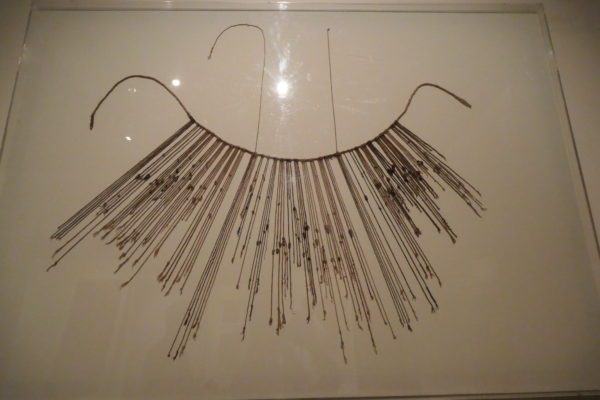
Thagh na h-Incas Cusco (3,400m), ann an sràth torrach sna h-Andes, mar phrìomh bhaile an rìoghachd, agus shìn rathaidean a-mach bhuaithe mar lìon an damhan-allaidh air feadh a’ phàirt mhòir seo de dh’Ameireaga a Deas. Cuimhnich nach robh eich aca, no buill-acfhainn iarainn, no a’ chuibhle. Cha bhiodh cuibhlean uabhasach feumail sna beanntan no san fhàsach ghainmhich co-dhiù – chleachd iad ruitheadairean airson conaltraidh, llamas airson bathar a ghiùlan, agus neart nan daoine airson togail. Tha e coltach nach robh sgrìobhadh aca, ach chùm iad clàran le bhith a’ cleachdadh siostam shreangan snaidhmte, quipu – buan agus furasta a ghiùlan.
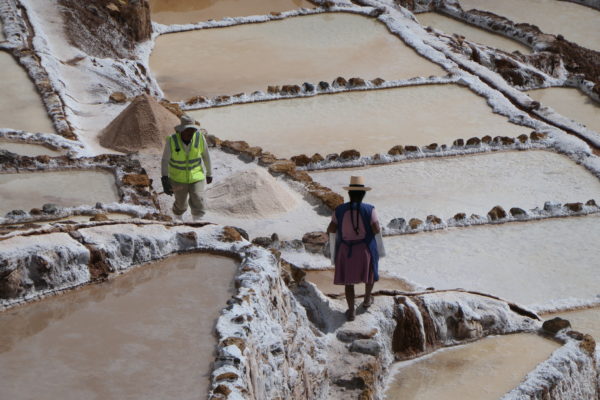
Maras
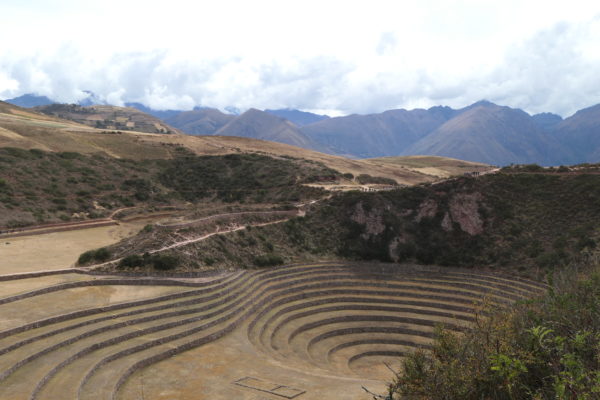
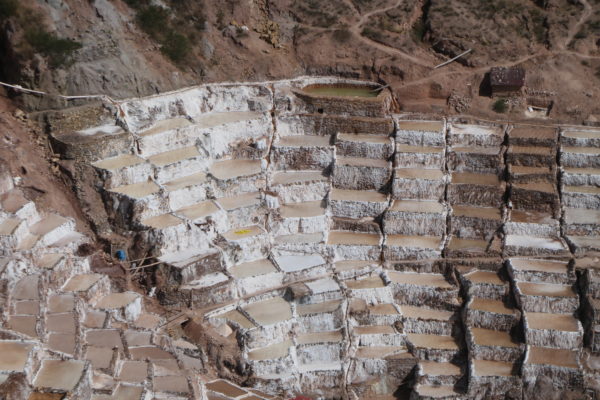
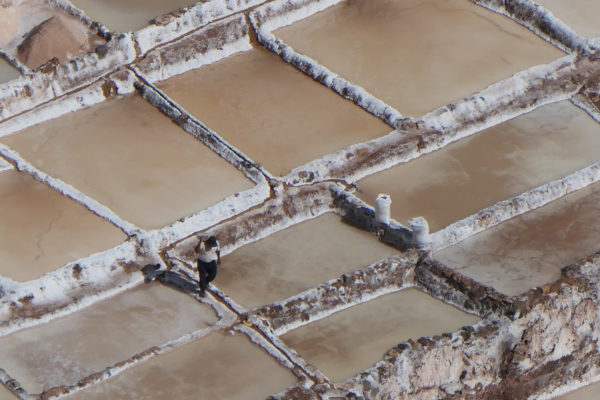
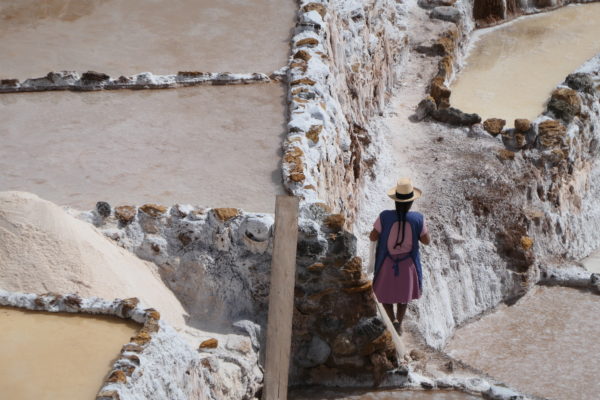
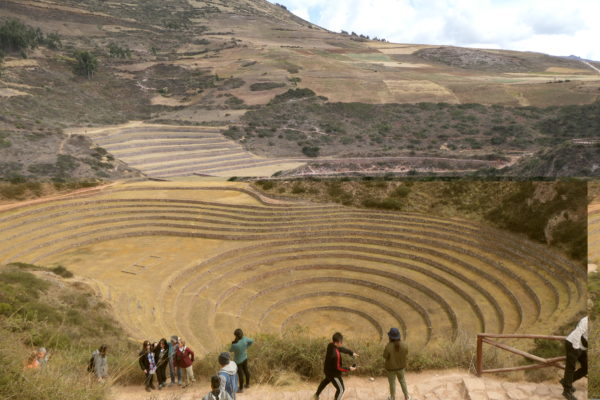
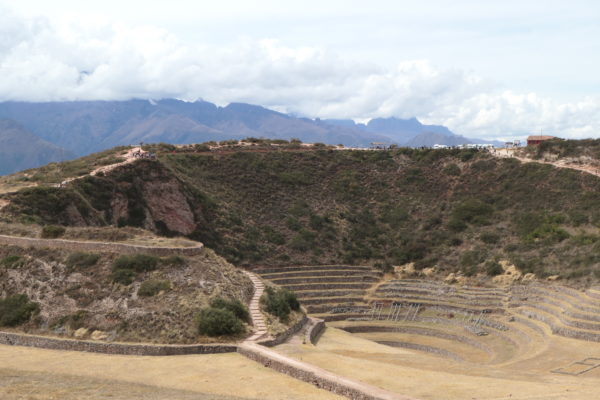
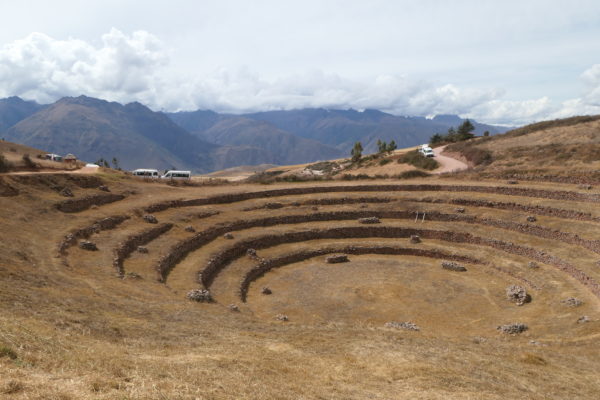
B’ e Luis, an neach-iùil ionadail as fheàrr ‘s a ghabhas dhomhsa, a bha agam airson a’ Ghlinn Naoimh – e fhèin fear de shliochd Inca, aig a bheil an cànan Quechua, le eòlas iongantach air lusan agus an cleachdaidhean, agus tàlant eachdraidh a thoirt beò dhut agus coileanais na h-Incas a mhìneachadh gu soilleir. Mar neach-iùil mi fhìn, dhruidh sin orm agus fhuair mi mòr-bhuannachd às. Thadhail sinn air aon làrach air an raonach àrd aig Moray (3,500m) a bha na “lab” phrobhail àiteachais, far an do dh’ath-chrùthaich iad sònaichean-clìomaid dealbhag le bhith a‘ cleachdadh barraidean is uisgeachadh, gus na seòrsichean gràin, buntàta is eile fhaighinn a-mach a dh’fhàsadh a b’ fheàrr anns gach sòn. Chaidh sinn cuideachd do chlaisean-tèachd salainn Inca aig Maras, a bhios gan cleachdadh gus an latha an-diugh, leis na h-aon dòighean-obrach.
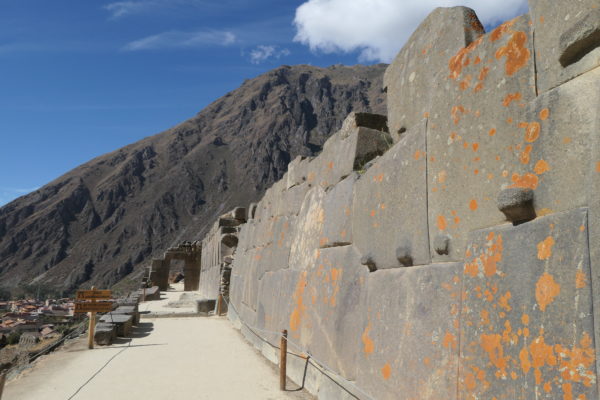
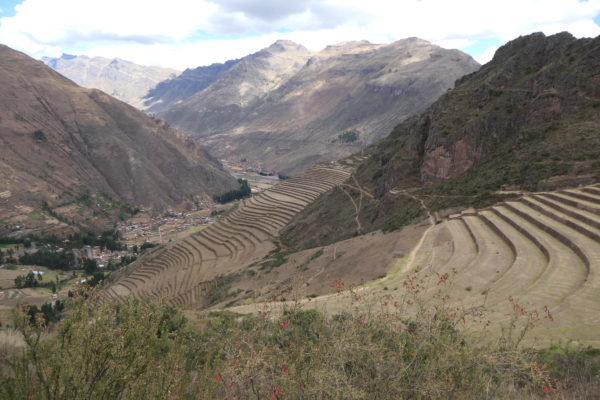
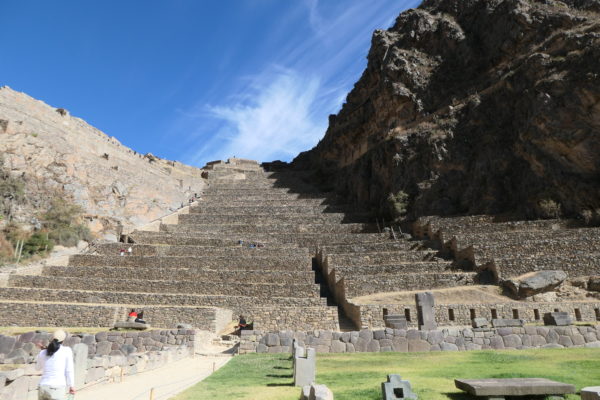
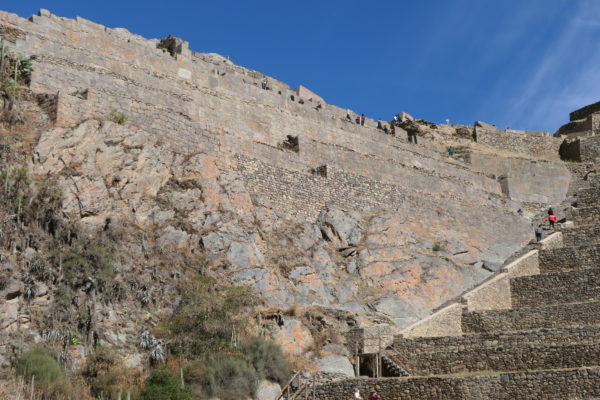
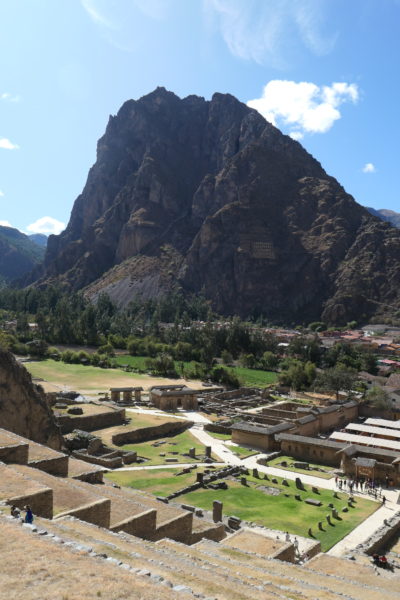
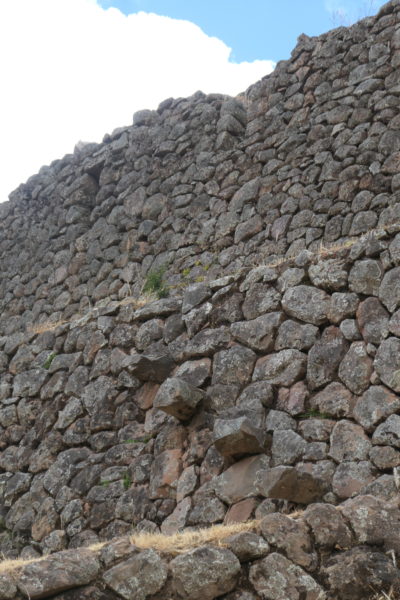
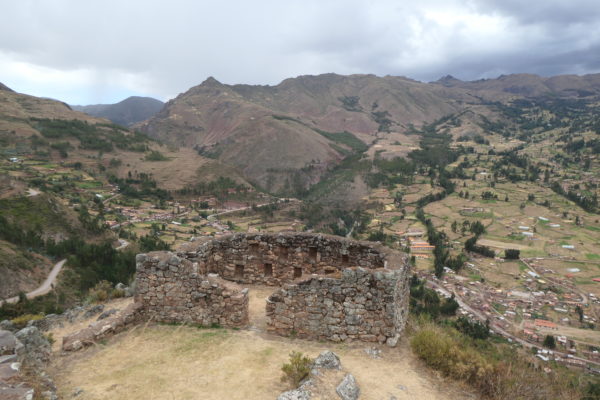
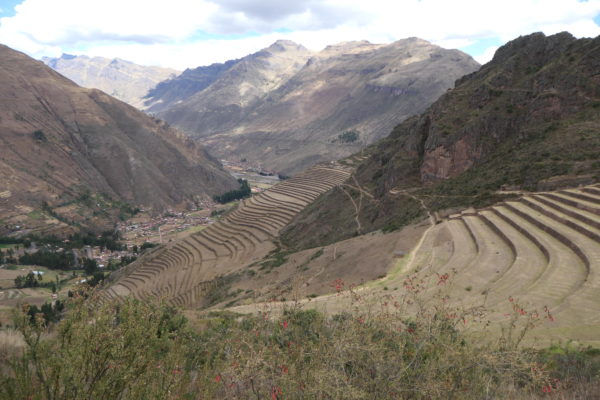
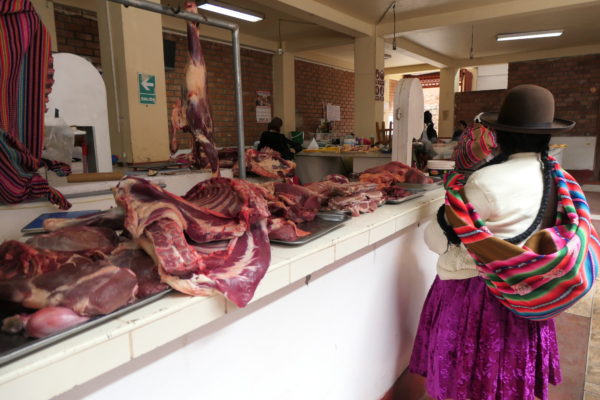
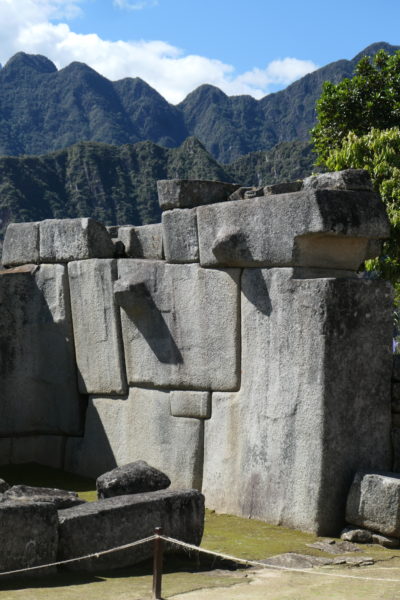
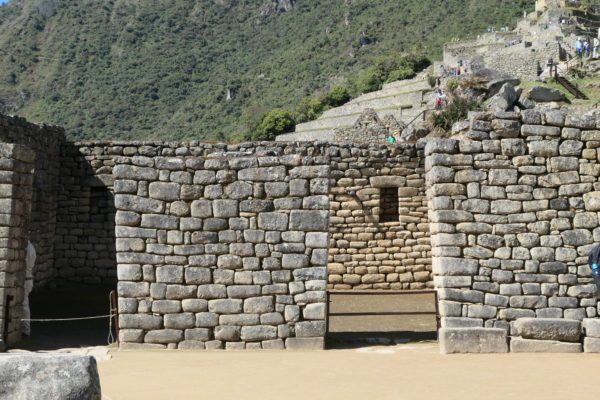
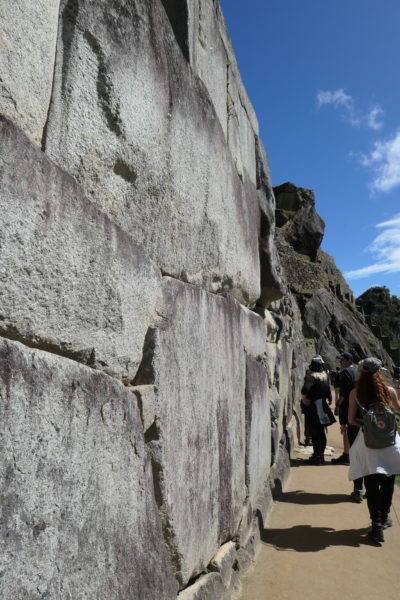
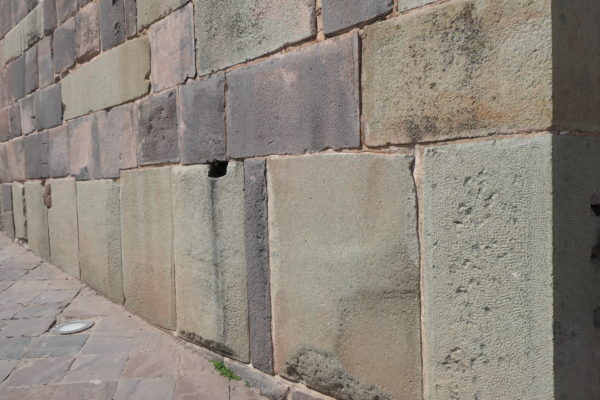
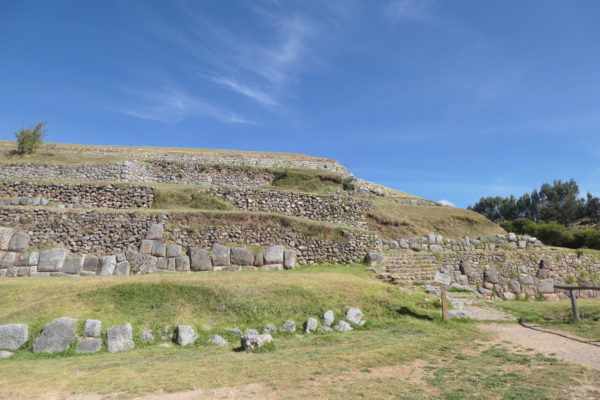
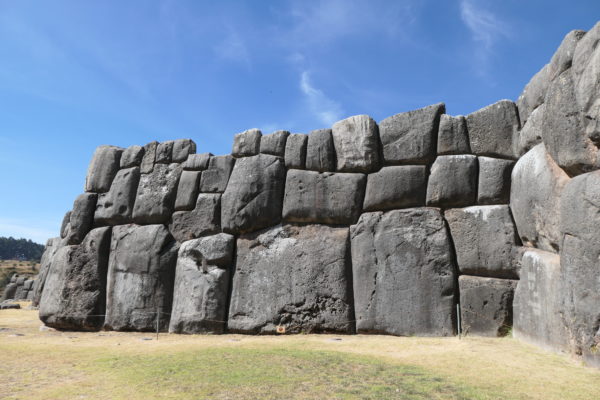
Ach ‘s e na togalaich-chloiche an ìomhaigh as ainmeile de na h-Incas, agus chunnaic sinn eisimpleirean druidteach gu leòr. B’ e Ollantaytambo (c. 3,000m) – dùn, teampull is ceumannan, a’ chiad cothrom a bha agam na blocaichean ana-mhòr rèidh fhaicinn, air an cur ri chèile gun bheàrnan faicsinneach idir eatarra. Dh’ionnsaich mi gun robh iad air an chumail ri chèile le siostam cnag-is-socaid nam broinn, mar Lego, agus cho-fhreagair iad cho dlùth air sgàth mheasaidhean mionaideach agus le bhith a’ cleachdadh mhodailean ro làimh. Chleachd iad rampaichean, geamhleagan agus sgiobachd gus an socadh a-steach dhan àite cheart. Chunnaic sinn barraidean a-rithist gus àiteachas tairbheach a dhèanamh comasach sna beanntan, cuideachd aig an làrach Inca faisg air sin, Pisaq, far a bheil margaid glè mhòr ann fhathast. Tha sràth torrach na h-aibhne Urubamba gu tur fo àiteachas gus an latha an-diugh. Shiubhail mi tron t-sràth thaitneach air an trèana-turasachd Vistadome.
Ollantaytambo
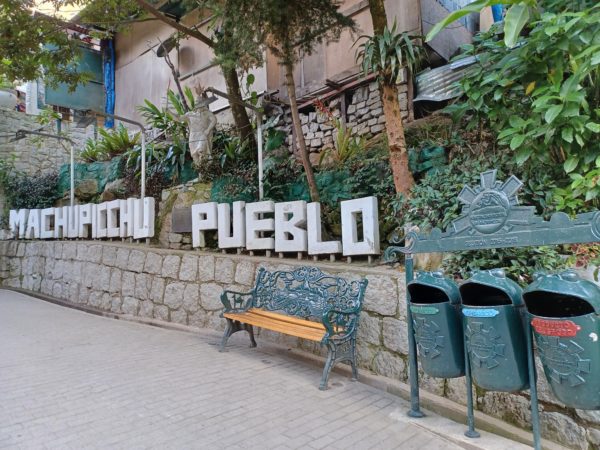
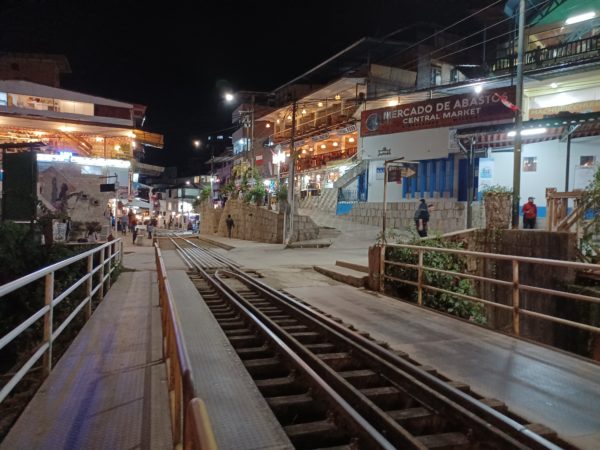
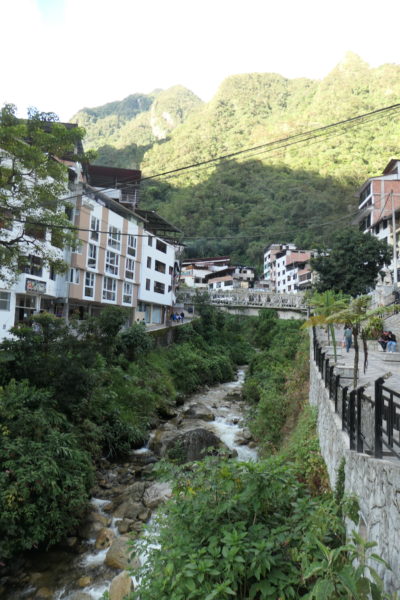
Bha e ri fhaicinn sa bhad gun robh fada barrachd de luchd-turais an seo na bha ann an ceann a tuath na dùthcha – nàdar de sheoc a bha sin, ach bha fios agam roimhe gum biodh Machu Picchu co-dhiù glè thrang, agus abair gun robh. Tha baile Machu Picchu fhèin, ged a tha e ann an suidheachadh brèagha air abhainn ann an gleann cumhang, dìreach coisrigte do thurasachd. Bha na h-àireamhean a bha ceadaichte san làrach eachdraidheil cuingichte air sgàth Covid ach bha buidhnean gu leòr ann fhathast. Bha mi toilichte gun robh neach-iùil agam fhìn agus a bhith nas sùbailte mar sin.
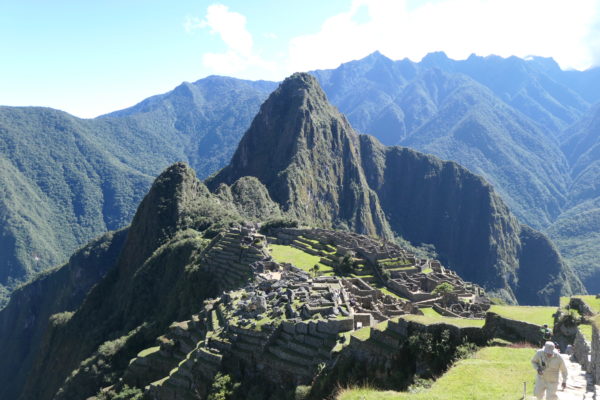
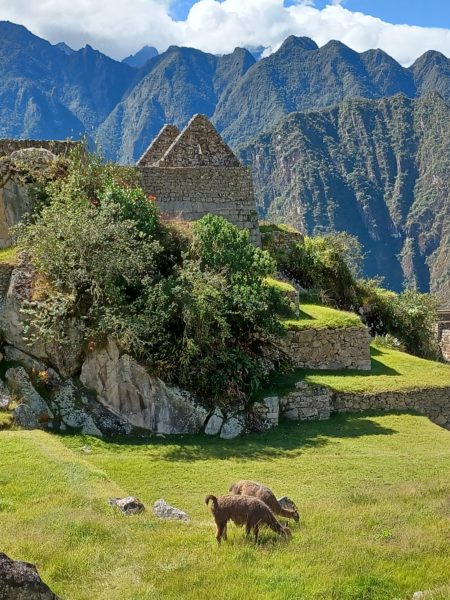
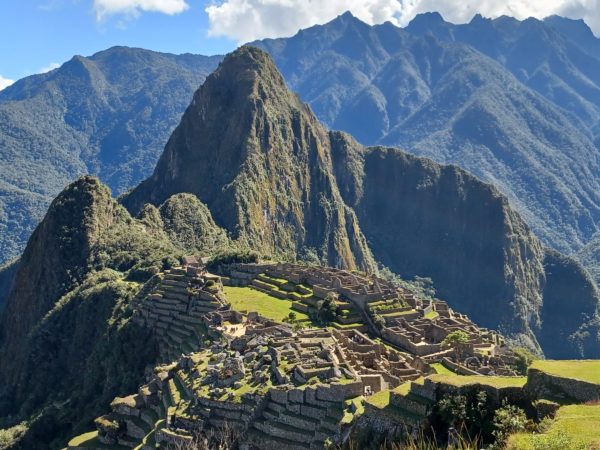
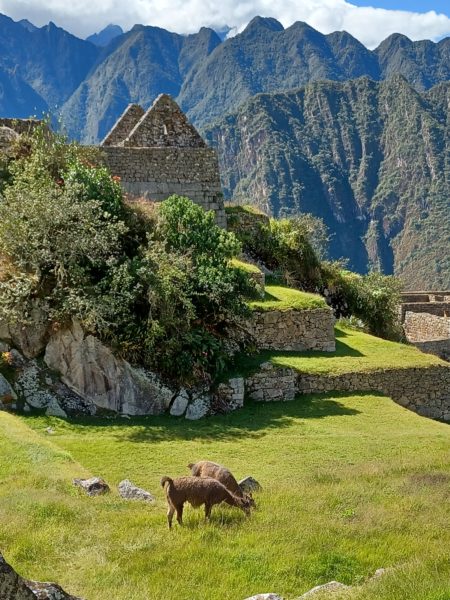
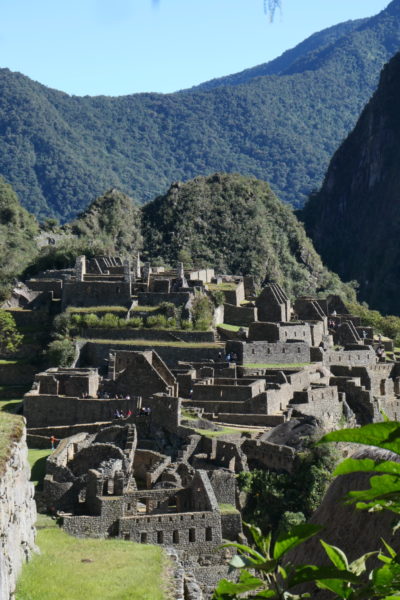
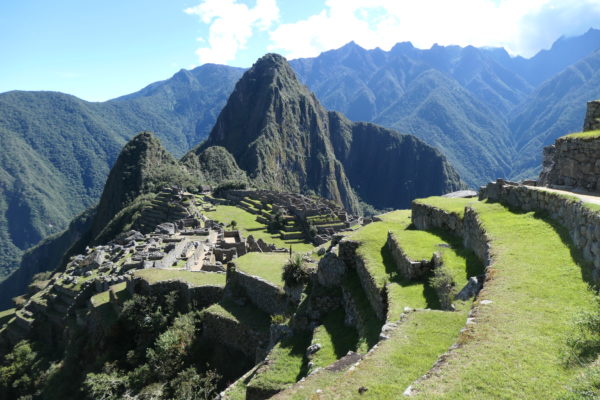
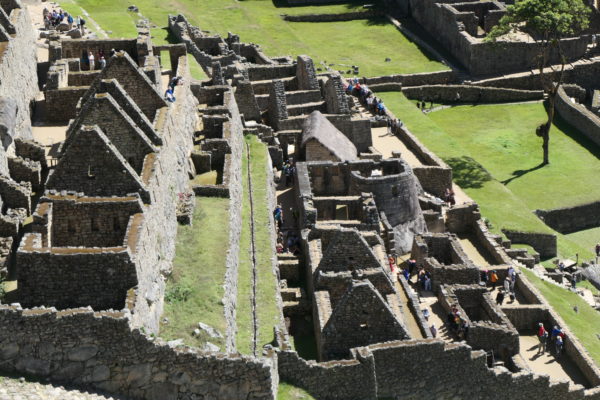
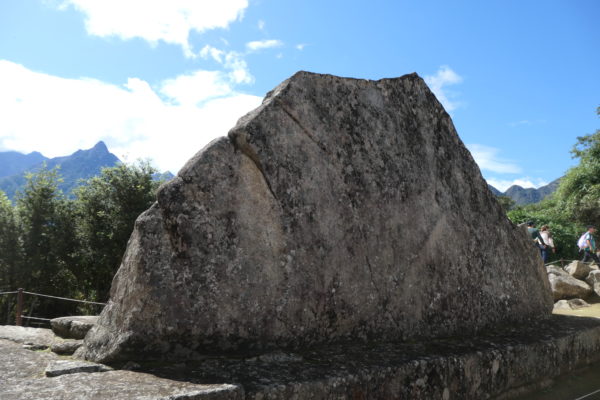
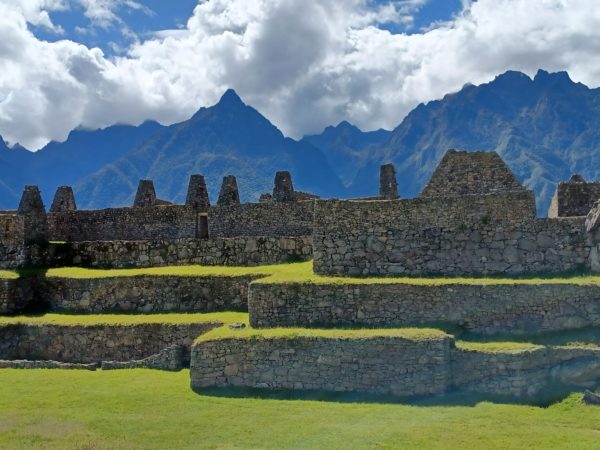
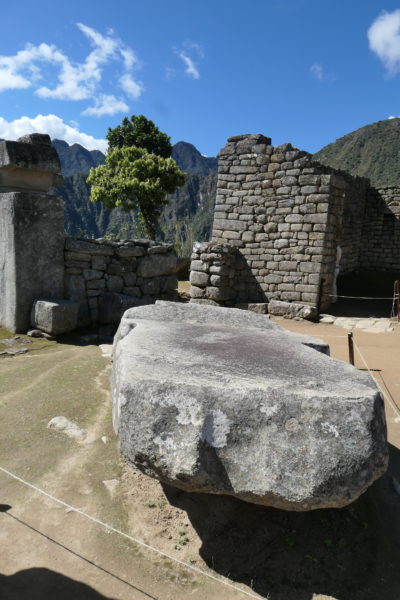
Bidh bus gad tar-aiseag dhan làrach agus às dèidh sin bidh thu a’ coiseachd agus a’ dìreadh – tha ceumannan gun chrìoch ann. Dhìrich mise pìos air ais suas air an t-Slighe Inca gus an sealladh ainmeil thairis air an làrach gu lèir fhaighinn. Tha tobhtaichean susbainteach air fhàgail den lùchairt rìoghail samhraidh (mas fhìor), de thogalaich chràbhach is chathaireach, àitichean-còmhnaidh is taighean-stòir, a h-uile rud na shuidhe ann an seòrsa nead creagach, aig 2,500m, air a chuairteachadh le sgurran dramataigeach – seallaidhean neo-chreidsinneach anns gach àird. Bha mi air fèitheamh fad mo bheatha gus seo fhaicinn agus chan e briseadh-dùil a bh’ ann idir. Is coltach gun deach an làrach a threigsinn seach ionnsaigh air a bhith oirre, agus leis nach robh eòlas oirre san t-saoghal nas fharsainge gus a’ chiad turas le Hiram Bingham ann an 1911, tha i air a gleidheadh cuimseach math.
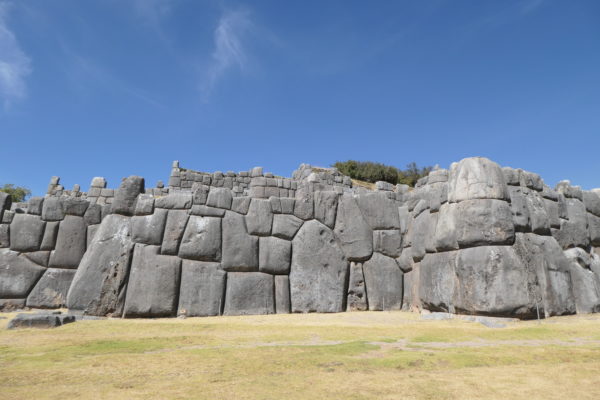
Sacsayhuaman, Cusco
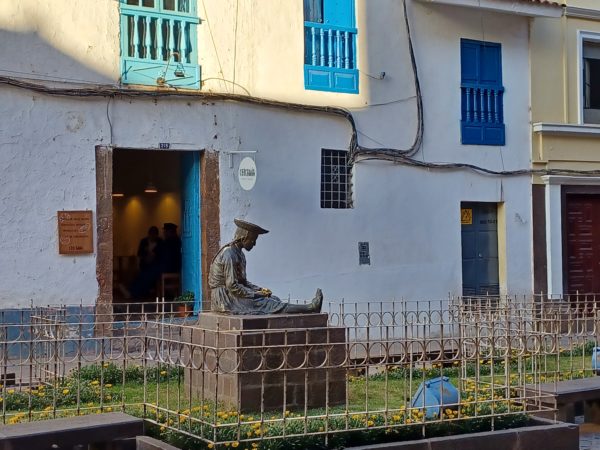
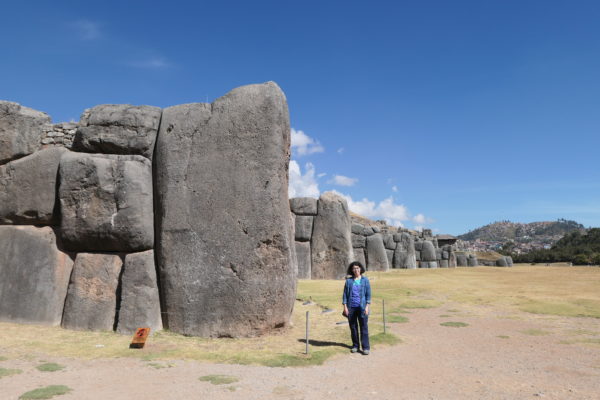
Tha tèoraidh ann gun do thog na h-Incas far an robh fios aca mu shuidheachaidhean geòlasach sònraichte, mar sgoltaidhean domhain, a cheadaich tochladh na creige gu furasta ann an sliseagan feumail, dìreach aig an làrach togail, gun fheum air an uiread de ghearradh no de chòmhdhail – cha chuireadh sin iongnadh orm. Tha na taighean-tasgaidh fiosrachail ann an Cusco sgoinneil (mar a tha ann an Lima cuideachd), agus ‘s e baile brèagha eachdraidheil a th’ ann e fhèin, le fianais de gach linn aige. Tha fiù ‘s dùn ana-mhòr Inca aige os cionn a’ bhaile, Sacsayhuaman, a-rithist le blocaichean tomadach air an cur ri chèile gu foirfe.
B’ urrainn dhomh fada, fada a bharrachd a sgrìobhadh mu Phearù àlainn eachraidheil, ach tha mi a’ creidsinn gu bheil dealbh math gu leòr agaibh a-nis. Air a mholadh gu mòr!
+++++++++++++++++++++++++++++++++
Peru 3: The Sacred Valley and the Incas
Moray
Last month I looked at the historic sites of the Northern Andes – this final piece is about the stunning remains in the Sacred Valley and area, in the Andes east of Lima. I was glad I’d visited the north first, as that’s where many of the pre-Incan cultural sites can be seen, and you realise the Incas didn’t start from scratch – they built on the achievements of the past – the Moche, the Chimu, the Chachapoyas and others. There were already roads and trade routes, massive hilltop fortresses, and sumptuous tombs and palaces. Mining, irrigation, agriculture and general management of the environment were already the norm. Metalwork and ceramic skills were advanced. What the Incas did was to develop these existing practices, skills and techniques to an astonishing extent in a relatively short period – the last 100 years or so before the Spanish conquest of 1532-72, and use them to unify the various Peruvian tribal areas into one cohesive empire. We might compare it to the rapid development of technology and the globalisation that we ourselves have seen since World War ll.
The Incas chose Cusco(3,400m), in a fertile valley in the Andes, as the centre of their domain, and roads reached out from it like a spider’s web throughout that huge part of South America. Remember they had no horses, no iron tools (just bronze), and no wheel. Wheels would not have been that useful in mountainous or sandy terrain anyway – they used runners for communication, llamas to move goods, and man-power for building. It seems they didn’t use writing, but detailed records were kept via a system of elaborately knotted strings, quipu – durable and easy to transport.
Quipu, Larco Museum, Lima
I had the best possible local guide for the Sacred Valley area, Luis – himself a Quechua-speaking descendant of the Incas with a vast knowledge of plants and their uses, and a gift for making history come alive, and making the Incas’ achievements clear and comprehensible. As a fellow tour-guide, I was very impressed and made the most of his knowledge. One site he took me to was the experimental Inca farm “lab” up on the high plains at Moray(3,500m), where different climate zones were recreated in miniature via terracing and water management, to test what kinds of grain, potato etc grew best in each. We also visited Inca-period salt-pans at Maras (3,200m), still producing today using the same methods.
But what is most associated with the Incas is their stone buildings, and we saw some wonderful examples. The first site was Ollantaytambo fortress, temple and steps (c.3,000m), my first chance to see the famous huge, smooth blocks of stone built together with no visible gaps. I learned that they were held together by an internal spur-and-socket system, like Lego blocks, and fitted so well due to careful advance measurement and the use of precise models. They used ramps and levers and man-power to move them into place. We also again saw terracing used for optimal farming in the mountains, also at the nearby Pisaq site, which still has a huge market. The valley floor, along the Urubamba River, is still fully farmed. I travelled along part of it in the scenic Vistadome train.
Pisaq
There were noticeably far more tourists down here than in the north, which came as a bit of a shock, but I had known that Machu Picchu would be the busiest, and it was. The village below is extremely touristy, though still pretty, set on a small river in the steep valley. Visitor numbers to the ruins were limited due to Covid, but there were still plenty of groups going around. I was pleased to have my own guide and more flexibility.
A bus takes you up to the site, then you walk and climb – I climbed back up a bit along the Inca Trail to get the classic view from the top. There are substantial remains of the (probable) royal summer palace, religious and civic buildings, houses and storehouses, sitting in a kind of high rocky nest at 2,500m ringed by spectacular peaks – breath-taking views all round. I had waited all my life to see this, and I was certainly not disappointed. The site seems to have been abandoned, not attacked, and was unknown to the wider world until Hiram Bingham’s first expedition in 1911, hence its fairly good preservation.
Machu Picchu
A recent theory is that the Incas knew to build where there were certain geological conditions, e.g. deep faults and fissures, that allowed rock to be quarried easily at the building site in usable slices, reducing the transport and the cutting required – it would not surprise me. The informative museums in Cusco are wonderful (as they are in Lima too), and it’s a beautiful historic city in its own right, with remains from all periods. It even has a massive Inca fortress above the town, Sacsayhuaman, with impressive walls made again of huge, perfectly fitting blocks.
I could write much, much more about historic, beautiful Peru, but I think you’ll have got a good impression by now. Highly recommended!
Tha deasbad Gnothaichean Bhall gu bhith ann feasgar 27 Dàmhair mun Mhòd Nàiseanta Rìoghail ann am Peairt am bliadhna. Thèid seo a stiùireadh le Murchadh Friseal BPA. Thèid an deasbad a chumail air Diardaoin 27 Dàmhair aig 12:45f. Seo an gluasad agus an liosta de na buill a tha air a shoidhnigeadh gu ruige seo. … Leugh an corr de Deasbad mun Mhòd gu bhith ann am Pàrlamaid na h-Alba, 27 Dàmhair #gàidhlig
This week we continue with the our series on Scottish Parliament constituency names with a trip to East Lothain – Lodainn an Ear. Gaelic place-names are thinner on the ground in this area than they are in other parts of Scotland – Alba – but there are still more than enough for us to look … Leugh an corr de Gaelic Word of the Week – East Lothian – Lodainn an Ear
This week we’re going back to Fife – Fìobha, often known as the Kingdom of Fife – Rìoghachd Fhìobha. The word rìoghachd is often used in Gaelic to mean “country” as well as kingdom and you will often hear native Gaelic speakers say “an rìoghachd” as well as “an dùthaich” to mean “the country”. This … Leugh an corr de Gaelic Word of the Week – North East Fife – Fìobh an Ear Thuath
Tha ceistean bunaiteach ann air an fheumar aghaidh a chur air mar a bhios sgaoileadh-cumhachd ag obair an taobh a-muigh an AE. Tha an rabhadh seo a’ tighinn bho aithisg ùr le Comataidh Bun-reachd, Eòrpa, Chùisean A-muigh agus Cultair aig Taigh an Ròid. Anns an aithisg aice, tha a’ Chomataidh a’ cur cuideam air diofaran … Leugh an corr de Fios naidheachd: Ceistean bunaiteach mu bhuaidh Brexit air sgaoileadh-cumhachd
Here’s a refreshing change! We’ve been banging on about the “Primacy of Speech” since Island Voices first started, as part of the mission to positively acknowledge the communication skills we all possess in whichever languages we speak – irrespective of any additional literacy we may or may not also have. The title “Progress Report” perhaps brings something rather dry and dusty to mind, and doesn’t necessarily scream “Read me!” at everyone, but this one offers something different. Co-ordinated by Sharon Pisani, Aire air Sunnd project officer, it’s a collection of unscripted video recordings offered by participating university and other partners, all introduced by CEUT chair Ùisdean Robertson. The contributions are mostly in English, but the mix of accents may reveal (or perhaps conceal?) a linguistically diverse competence in more than one of the speakers! And, of course, apart from regional accents, there are various other features unique to natural speech. Tone of voice, rhythm stress and intonation patterns, facial expressions, physical gestures and other accompanying body language – all these are additional expressive elements that elude capture in the printed word.
Have a look and listen here:
We may hope that the variety of voices will keep the listener interested from beginning to end, by presenting the information – or “telling the story” indeed – in a different, perhaps more engaging, way than pages of written text. (Okay, “skimreading” may not be an option for the spoken word if time is short, but YouTube’s “Chapters” function is an alternative if you want to skip forwards at any point – or backwards – to focus on a particular speaker…)
Plus, there’s more – appealing to the eye as well as to the ear!
The Aberdeen team put together these two eye-catching posters for the Digital Fèis to explain in more detail how their Wellbeing strand is developing. Packed with information, they also contain images of artefacts and photographs from the Gaelic walks with Archie.
You can click on the images of these posters to enlarge them and examine the detail more closely.
And you can see more images and explanations of the artefacts on CEUT’s project page for the Wellbeing workshops.
And finally, as the pictures below show, the St Andrews digitisers were kept busy throughout the same event. Again, you can click on the image to enlarge it, and will then be able to click through one more time on individual pictures to go straight to the 3D or video exhibit on the project’s Digital Fèis page.
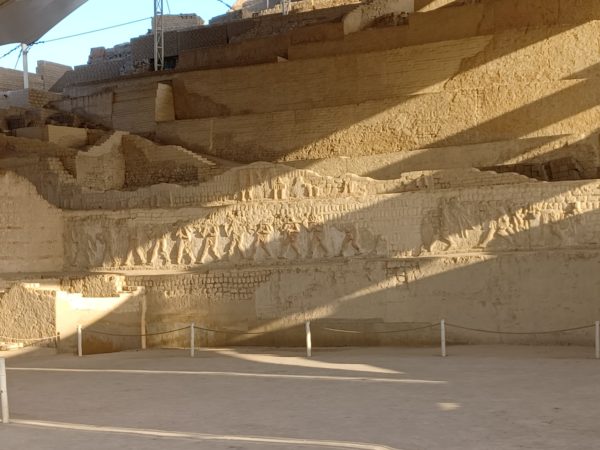
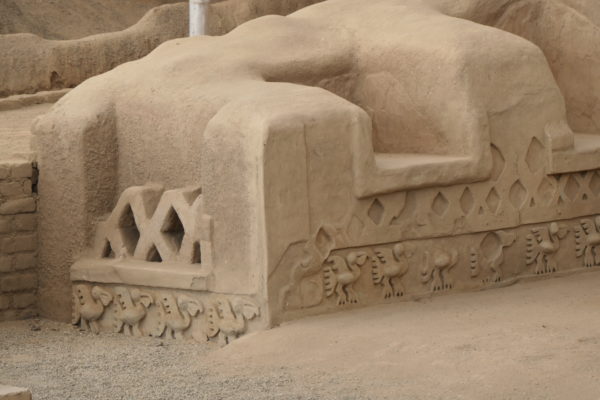
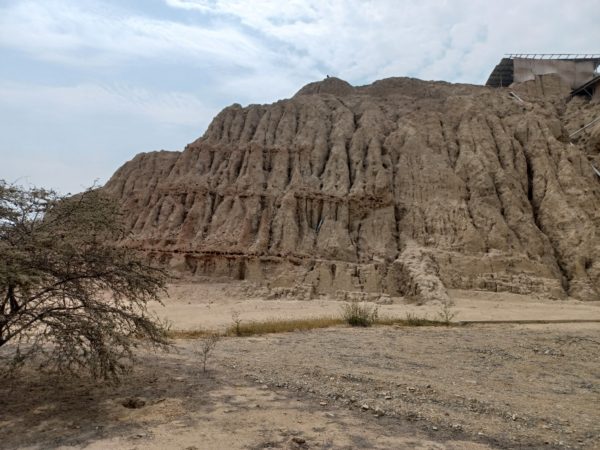
Bha mi ann am Pearù 3 seachdainean uile gu lèir. Chuir sinn mu aon seachdain anns an raon rèidh ghainmheach air a’ chosta tuath air Lima, sgìre le mòran phioramaidean tomadach, dèanta às na milleanan de bhricean-eabair (adobe). ‘S e fuigheall theampuill agus lùchairtean ro-Choluimbeanach (agus ro-Inca) a th’ annta, aig na cultaran mòra Moche (c.100-700 AD) agus Chimu (c. 900-1470), agus bha sinn aig làraichean fìor dhruidhteach mar Huanca de la Luna, El Brujo, Cao agus Chan Chan. Chan urrainn dhut gun a bhith làn mòr-mheasa ro na sgilean-togail adhartach innleachdach a bha aca mar-thà.
Sgapte air an fhàsach seo tha plantachaidhean-siùcair agus àiteachas eile, nach biodh rim dèanamh idir gun dòighean-uisgeachaidh a stèidhich na cultaran eachdraidheil seo. Tha bailtean brèagha trang ann cuideachd, mar Trujillo, le ailtireachd cholonaidheach agus raointean spàgach de thaigheadais earragis air an iomall.
Sipan
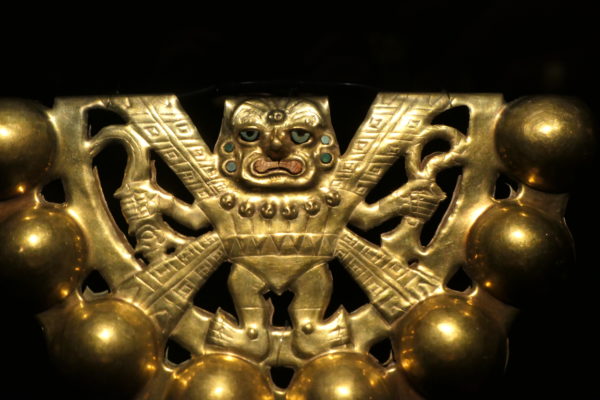
Uair eile bha sinn nas fhaide tuath san sgìre mu Chiclayo, gus na làiraichean aig Tucume agus Lambayeque (c.800-1350 AD) fhaicinn, leis an taigh-tasgaidh ainmeil “Lord of Sipan”, làn earrasan-uaighe luachmhor à tuama phrionnsail.
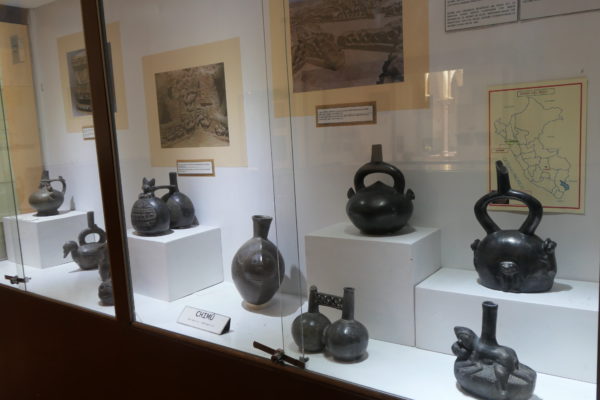
Tha taighean-tasgaidh fìor mhath aig gach làrach eachdraidheal, a’ sealladh caochladh iongantach de bhathar-criadha, bhuill-cheàirde, òir is airgead às na cladhaich arc-eòlais, a dh’aindeòin nan linntean de robairean-uaighe.
Andes
Karajia
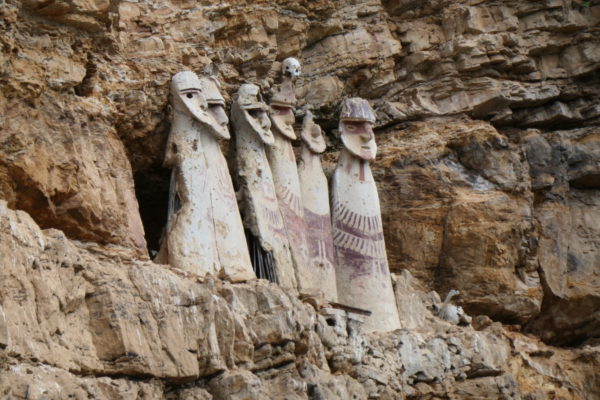
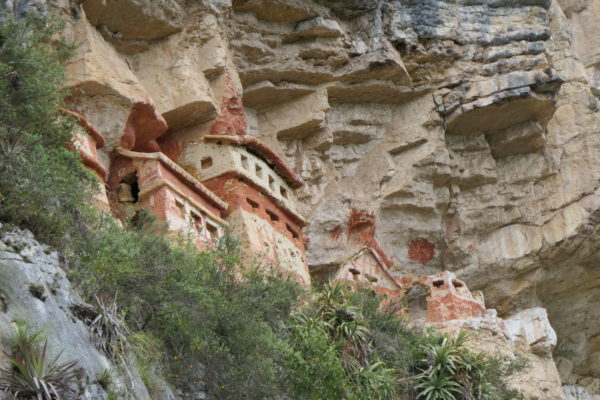
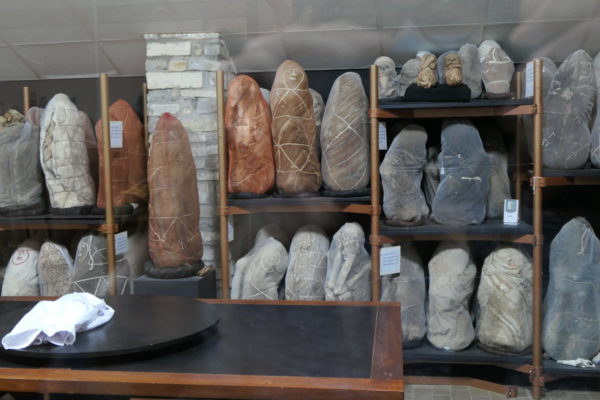
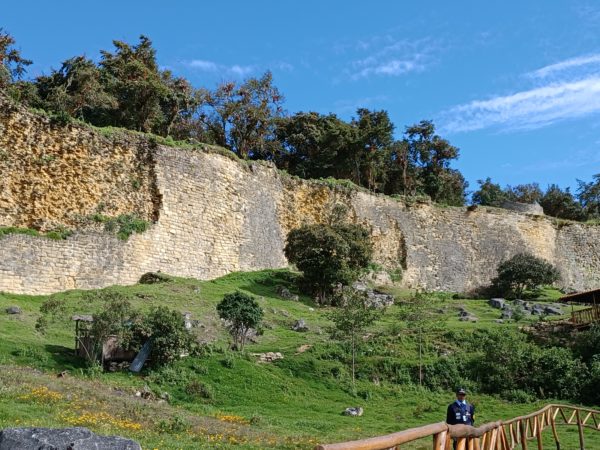
Chuir sinn seachdain eile seachad anns na h-Andes a tuath gus tadhail air làraichean ro-Choluimbeach anns na gleannan torrach brèagha àrda, gu h-àraidh an fheadhainn aig na Chachapoyas (c.900 – 1500 AD), “Laoich nan Sgòthan”. An seo ‘s e na cleachdaidhean-adhlacaidh a tha gu sònraichte ùidheil. Ann an Revash, Karajia agus an sgìre Leymabamba chaidh mumaidhean a chur a-steach do chisteachan-laighe neo-àbhaisteach, ann an cruth dhaoine neònach no taighean, làraichte do-ruigsinneach àrd air aodainnean-creige dìreach. Tha an taigh-tasgaidh ann an Leymabamba loma-làn de mhumaidhean. Chì thu cuideachd eisimplearan de “trepanning” an sin, obair-lannsa air a’ chlaigeann gus bruthadh air an eanchainn a lùghdachadh – mar as trice gu soirbeachail. Air sgàth suidheachadh àrd nan làraichean sin, bha againn gu tric ri dìreadh gu math fada, air ceumannan casa, uaireannan le bhith a’ cleachdadh eich! Rinn sinn sin cuideachd dhan dùn ana-mhòr àrd Kualep, iongantach math dèanta à blocaichean-cloiche aibhseach – fada ro na h-Incas.
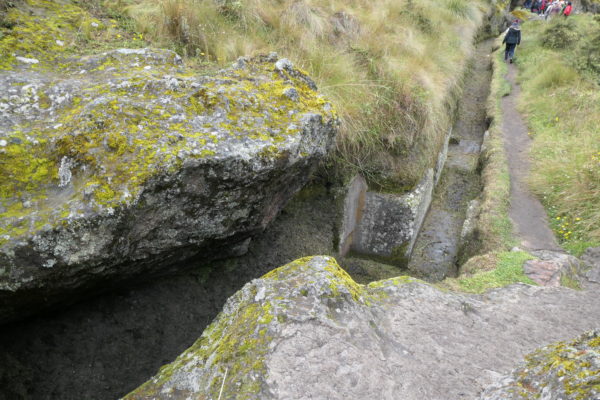
Bha làrach fada na bu tràithe ann cuideachd aig Cumbe Mayo, faisg air Cajamarca, duct-uisge ro-eachdraidheil (c. 1500 BC). Tha e ag obrachadh fhathast, le lùban toinnte air an gearradh às a‘ chloich gus maille a chur air an t-sruth, gun innealan meatailt a bhith aca, agus petroglyphs inntinneach air an t-slighe. Cuairt-bheinne chas eile againn!
Cumbe Mayo prehistoric aqueduct
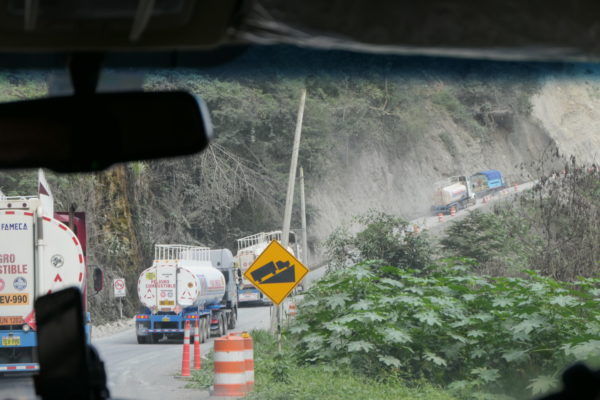
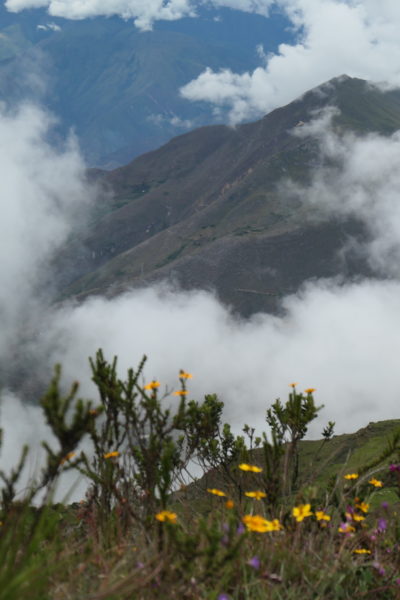
Tha an sealladh-dùthcha shuas anns na h-Andes dìreach òirdheirc, agus chanainn gu bheil na rathaidhean cumhang cas lùbach gu math dùbhlanach, aig a’ char as lùgha!
An ath thuras cuiridh mi crìoch air an aithisg agam leis na làraichean Inca, ceann a deas Phearù – an Gleann Naomh agus Machu Picchu.
++++++++++++++++++++++++++++++++++
North Peru – historical sites
Coastal plains
Chan Chan
Of the 3 weeks in Peru, about a week of our tour was spent in the flat, sandy coastal region north of Lima, with its massive pyramid-shaped structures made of millions of mud-bricks (adobe), the impressive remains of pre-Columbian (and pre-Incan) temples and palaces, especially those of the great Moche (c. 100 – 700) and Chimu c.(900 – 1470) cultures, at El Brujo, Huaca de la Luna, Cao and Chan Chan. You couldn’t but be impressed by the inventive, advanced building skills they had already had then.
The desert is interrupted by sugar plantations and other farming, only possible due to irrigation techniques established by these early cultures, and busy attractive towns like Trujillo with colonial architecture and sprawling makeshift developments on their edges.
Tucume
Later we went further north to the area around Chiclayo, visiting the Tucume and Lambayeque historic sites (c.800 – 1350 AD) , with the famous “Lord of Sipan” museum displaying amazing finds from a princely burial. All the historic sites in fact have excellent museums, showing the huge variety of astonishing ceramics, artefacts, gold and silver from excavations, despite centuries of grave-robbers.
Andes
Revash
We also spent about a week in the northern Andes, visiting early Andean cultural sites in the beautiful, green high valleys, particularly the Chachapoyas culture c. 900 – 1500 AD, the “Warriors of the Clouds”. Here one of the main focuses was the fascinating burial practices. In Revash, Karajia, and near Leymabamba, mummies would be placed in different kinds of elaborate sarcophagi and somehow lodged high on inaccessible cliff-faces, some house-shaped, some curiously human-shaped. Leymebamba has a museum full of different mummies, and also examples of trepanning – surgery cutting into the skull to relieve pressure (usually successfully). Most of these high sites meant we had to hike up steep hills to see them, sometimes using horses for parts of the way – also to visit the massive Chachapoyan fortress of Kualep, astonishingly well-built out of huge blocks of cut stone – long before the Incas.
Leymabamba
A much earlier site was the prehistoric (c. 1500 BC) stone aqueduct at Cumbe Mayo, near Cajamarcas, still functioning today, with complicated stone bends cut in the stone walls (without metal tools) to slow the flow, and interesting petroglyphs along the way. Another mountain hike for us!
The scenery in the high Andes is spectacular, and I would call the steep, winding roads adventurous, to say the least!
Next time I’ll finish off my story with the Inca sites in the south, the Sacred Valley and Machu Picchu.
KualepAndes roadsÀilleachd nan Andes / the beauty of the Andes